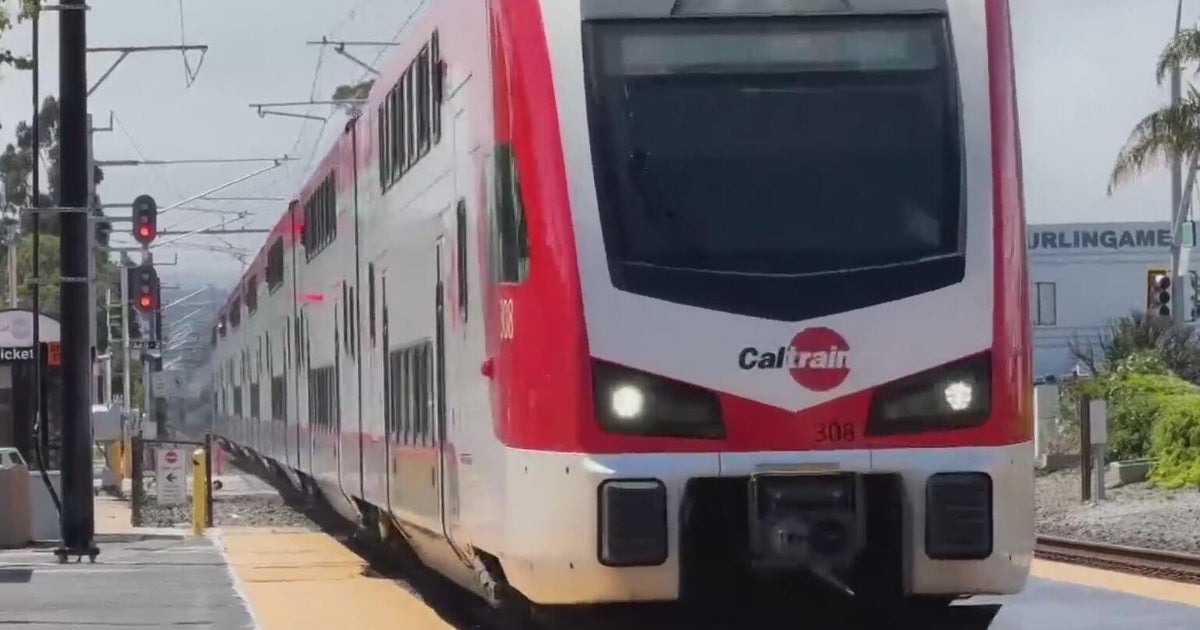
Supporters say the Bay Area transit sales tax measure has cleared the signature threshold with more than 305,000 signatures submitted, well above the 186,000 needed for the November ballot. If approved, the proposal would levy a 0.5% sales tax in Alameda, Contra Costa, San Mateo and Santa Clara counties, and 1% in San Francisco to help close funding gaps at BART, Muni, Caltrain and AC Transit. BART estimates structural deficits of $350 million to $400 million annually starting in FY2027, while Muni faces $300 million in annual deficits beginning in July 2026.
The market implication is less about the tax itself and more about avoiding a near-term negative convexity event for Bay Area mobility. A failure would have forced service rationalization into a self-reinforcing loop: worse transit lowers office attendance, which weakens downtown retail and parking, which then further erodes municipal tax bases and agency fare recovery. Approval would likely stabilize those cash flows, but only incrementally; the bigger issue remains whether ridership can inflect enough to offset structural post-pandemic demand loss.
The second-order winner is Bay Area office-heavy real estate, especially assets priced on transit accessibility assumptions. Keeping BART/Muni/Caltrain operating past the 2026-27 deficit cliff reduces the probability of a sudden repricing in Class A CBD occupancy and delinquency risk in transit-dependent submarkets. The losers on the margin are suburban auto-centric corridors and parking operators if service is preserved, because the tax effectively subsidizes mode-share retention and slows the migration to car-based commuting patterns.
From a catalyst perspective, this is a months-to-years story, not a day trade: the immediate catalyst is ballot qualification, but the real risk window begins when agencies translate political support into operating budgets. The tail risk is that voters approve the measure yet agencies still need deeper cuts by 2027, which would create a false sense of security and could disappoint both muni-credit and REIT investors. The contrarian angle is that the tax may be enough to buy time, but not enough to restore system quality; in that case the market could overestimate the durability of the transit recovery.
AI-powered research, real-time alerts, and portfolio analytics for institutional investors.
Request DemoOverall Sentiment
neutral
Sentiment Score
0.05
