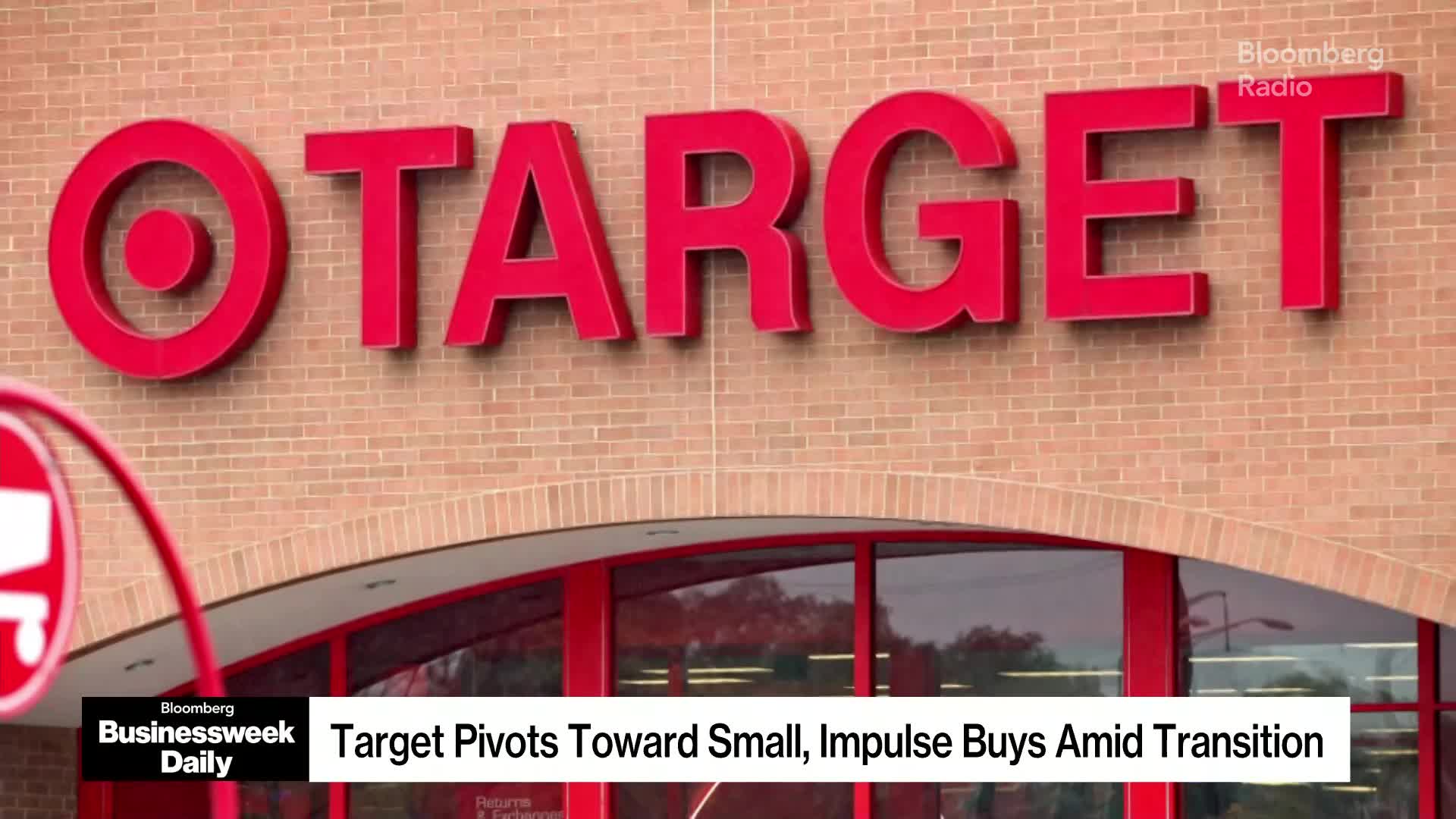
Bloomberg contends Target's upbeat rhetoric is insufficient to restore the company's performance and investor confidence; the turnaround requires substantive operational fixes rather than morale-boosting initiatives. The piece highlights the need for management to address core issues such as merchandise assortment, pricing and inventory execution to materially improve margins, sales momentum and company fundamentals.
Market structure: Operational weakness at TGT redistributes share toward low-cost/value formats (WMT, COST, DLTR) and off-price players (TJX) where inventory execution is tighter; expect 100–300bps incremental gross-margin compression at TGT if assortment/pricing execution lags for two consecutive quarters, pressuring same-store sales and revenue mix. Pricing power will be segmented — staples and private-label will hold better while discretionary categories face markdown-driven deflation, compressing category-level margins unevenly.
Risk assessment: Near-term (days–weeks) downside is liquidity/positioning driven — a missed comp or margin guide can produce 8–15% share moves and IV spikes; short-to-mid-term (1–3 quarters) tail risks include multi-quarter inventory write-downs (> $300–600m) or forced promotional resets that erase a year of margin gains. Hidden dependencies: vendor payment terms, private-label replenishment lags, and real-estate flexibility could amplify pain or accelerate recovery; key catalysts are next earnings, inventory days/backlog prints, and management changes within 30–90 days.
Trade implications: Favor relative short exposure to TGT while long higher-execution peers: implement a 2–4% short-equity allocation to TGT paired with a 2–4% long in WMT or TJX to capture rotation into execution-focused retailers. Use 3–6 month puts (ATM to 10% OTM) sized 1.5–2% notional to hedge equity shorts; consider selling short-dated calls to finance collars if unwilling to carry full short. Rotate 3–6% portfolio weight from mid/high-end discretionary retailers into staples and discount retail over the next 1–3 quarters.
Contrarian angles: Consensus assumes execution fixes are slow; however, swift assortment resets and measured disciplined markdowns can restore margin 100–200bps within 2–3 quarters and trigger a mean-reversion rally — this creates squeeze risk for shorts. The market may be over-penalizing brand equity and ignoring cash flow resilience from loyalty programs and private label; avoid oversized short positions >5% until inventory readouts confirm secular decline. Unexpected consequence: aggressive clearance could retrain consumers to expect lower pricing, permanently lowering lifetime margins if repeated.
AI-powered research, real-time alerts, and portfolio analytics for institutional investors.
Request DemoOverall Sentiment
moderately negative
Sentiment Score
-0.45
Ticker Sentiment
