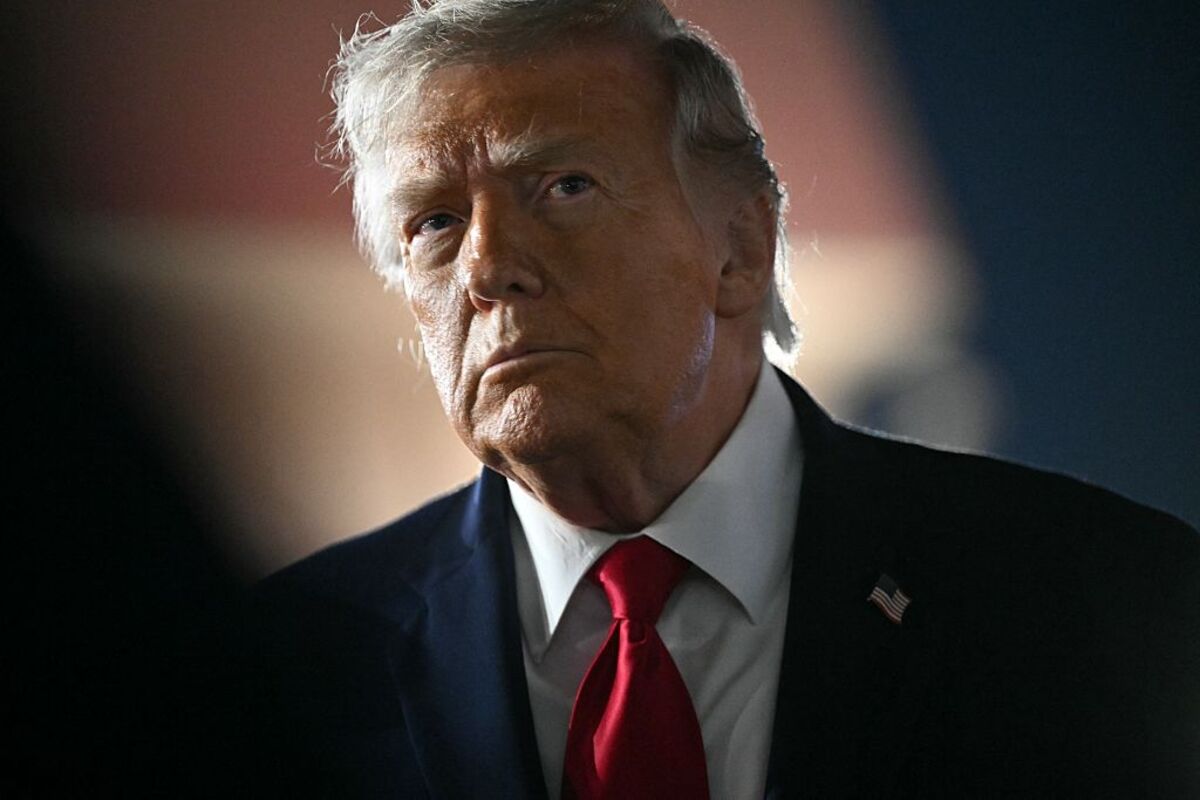
Trump said an interim Iran peace deal reopening the Strait of Hormuz could be signed as soon as Sunday, but Tehran said it is still reviewing the proposed text and has not agreed to it. The report highlights ongoing uncertainty around a critical oil shipping chokepoint, which keeps geopolitical and energy-market risk elevated. Bloomberg cited a person familiar with the matter saying Iran’s leadership had not approved the memorandum as of Friday.
The market is pricing a de-escalation headline before the political plumbing is actually complete, which means the first-order winner is not oil itself but volatility sellers who can fade intraday spikes if the deal truly progresses. The bigger second-order effect is on freight, insurance, and refined-product spreads: even a partial reopening of Hormuz compresses risk premia faster than it restores physical flows, so tanker rates and prompt crude backwardation can unwind within days while downstream product inventories take longer to normalize.
The key risk is asymmetry around a failed or delayed signature. If negotiations slip, the market will likely reprice not just crude but also regional defense and shipping names on a short fuse, because the probability of harassment incidents in the Strait rises when expectations of an imminent deal are disappointed. That creates a classic event-risk setup: upside to energy and defense is more gradual, but downside on a credible breakthrough can be abrupt and concentrated in names levered to conflict premia.
Contrarian read: the consensus may be overestimating how much supply actually returns even if a memorandum is announced. A limited interim framework can reduce headline risk without materially improving throughput, meaning Brent could give back a geopolitical premium while physical tightness in regional grades and products remains in place. In that scenario, crude could underperform LNG-linked and integrated balance-sheet quality names, while pure-play shipping and war-risk beneficiaries suffer the most on a normalization narrative.
AI-powered research, real-time alerts, and portfolio analytics for institutional investors.
Request DemoOverall Sentiment
mildly negative
Sentiment Score
-0.15
