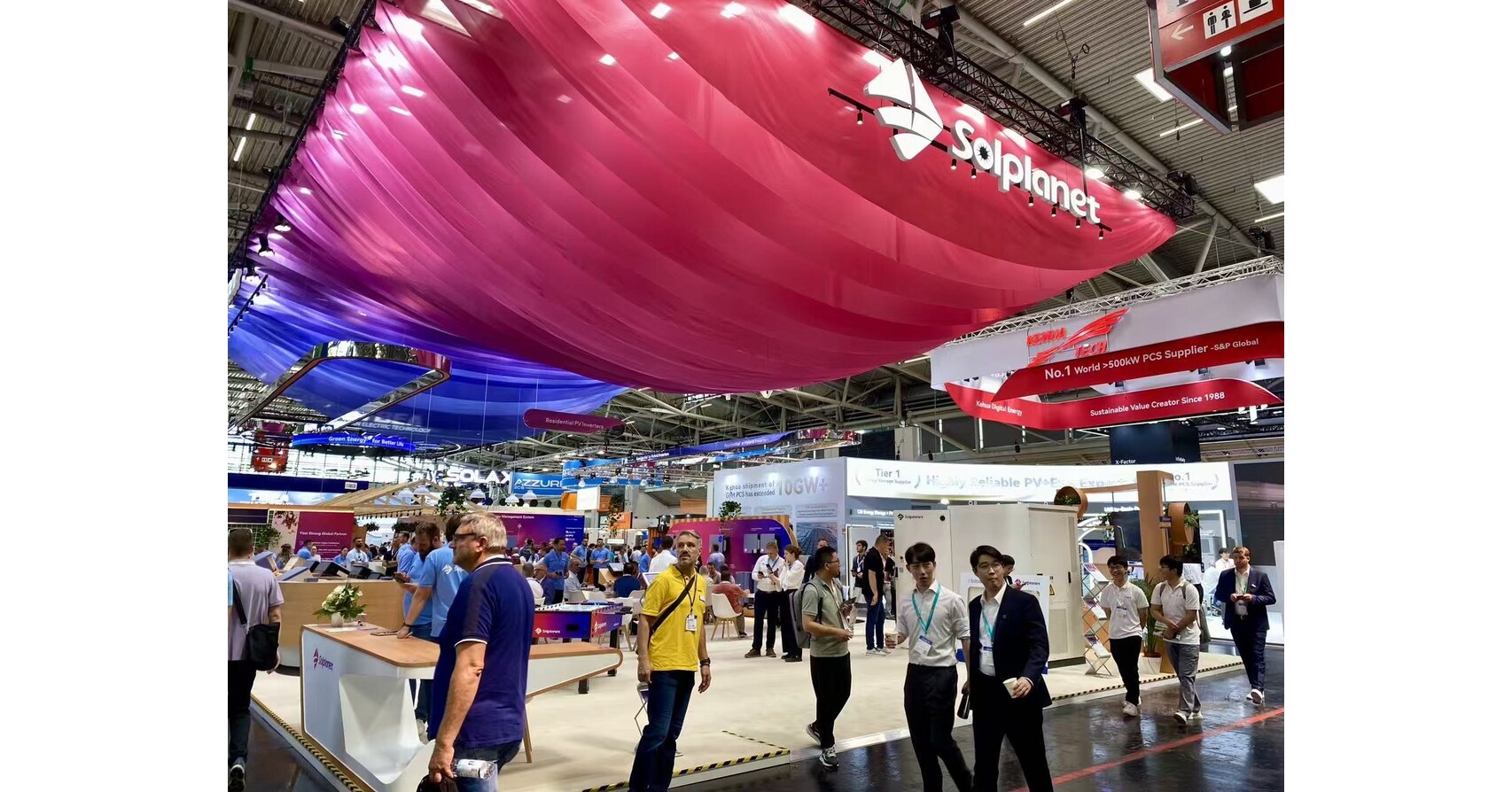
Solplanet annonce à Intersolar Europe 2026 le lancement d’un “mode IA” pour les systèmes énergétiques commerciaux/industriels et de nouveaux systèmes de stockage, visant une gestion centralisée et plus efficace d’actifs décentralisés PV + stockage + secours (avec cas d’usage : autoconsommation, écrêtement des pics, report de charge). La société relie cette feuille de route à la hausse de la volatilité des prix de l’électricité, à la congestion réseau et à l’électrification rapide (VE, pompes à chaleur, procédés industriels décarbonés), ce qui augmente la demande de flexibilité et de systèmes interopérables basés sur le cloud. Aucun chiffre financier n’est fourni, mais l’annonce renforce le positionnement produit sur un marché en transition.
This is less about one vendor and more about where value migrates in European C&I solar: from commoditized hardware toward orchestration, commissioning, and recurring software/service revenue. If buyers increasingly want a single control layer across PV, storage, EV charging, and backup, the economics favor electrical infrastructure and energy-management names with installed base and channel relationships, while standalone inverter suppliers face tighter pricing and longer sales cycles.
The second-order effect is margin compression for pure component sellers, especially in Europe where procurement is already highly competitive and customers are optimizing on total installed cost, not unit box price. Bundled AI features are likely to be treated as table stakes within 12-18 months, so the real moat will be interoperability, local service, and financing. That should help industrial electrification proxies like ETN and ABB more than solar hardware beta such as SEDG or the TAN basket.
Near term, the move is mostly narrative; the catalyst path is order conversion after trade-show visibility, with real confirmation only in 1-3 months via backlog, mix, and ASP commentary. The contrarian risk is that this is mostly marketing unless the software materially reduces commissioning time and unlocks grid-service revenue. The thesis is falsified if European power prices normalize and demand-charge economics weaken, or if inverter margins re-accelerate despite the bundled-platform story.
AI-powered research, real-time alerts, and portfolio analytics for institutional investors.
Overall Sentiment
mildly positive
Sentiment Score
0.12
