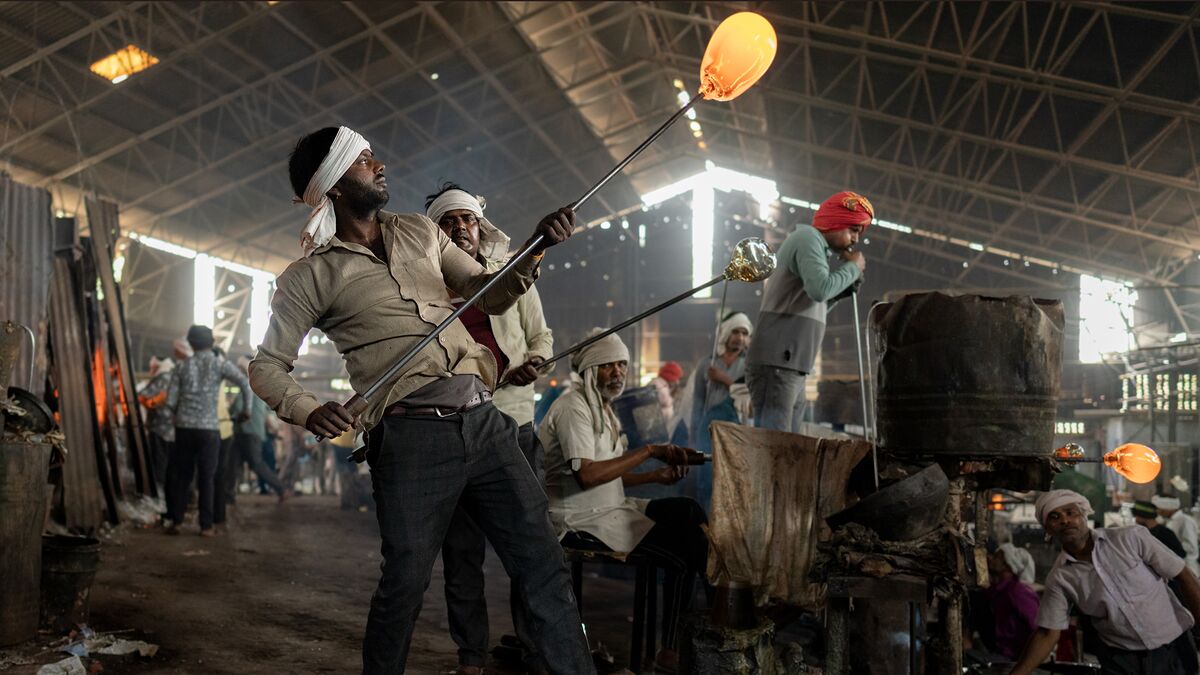
Gas shortages linked to the Middle East conflict are forcing India's gas-fired glass furnaces to pare output, creating shortages of beverage bottles and medicine vials and raising procurement costs for buyers. Bengaluru-based Mossant Craft Kombucha reports it cannot source flasks over the past month and is cutting marketing and discount budgets ahead of peak summer demand.
Glass container supply chains have structural fragility that amplifies localized shocks: high fixed-cost, point-source furnaces plus long thermal ramp times mean spare capacity is low and redistribution takes weeks rather than days. That dynamic disproportionately penalizes smaller buyers with thin inventories and seasonal demand peaks, forcing them to sacrifice marketing spend or accept higher per-unit packaging costs that compress gross margins.
Substitution economics create clear winners: aluminum cans and flexible-pack producers can absorb incremental volumes quickly if they have spare filling lines, and their incremental margin per 330–355ml unit versus a returnable or premium glass bottle is on the order of $0.04–$0.10 once logistics are re-priced — a lever that can flow straight to EBITDA for large packers. Expect this reallocation to play out over 1–3 months for spot volumes and 3–12 months as buyers re-contract; full capex-led normalization is a 12–24 month cycle.
For biopharma and sterile-product supply chains, glass vial tightness is a different vector: lead times are measured in months and delays directly affect launch timelines and revenue phasing for small-cap biotech programs. Contract manufacturers and component suppliers that can guarantee priority allocations or hold working stock obtain outsized pricing power in that 3–9 month window.
Key reversal catalysts are also identifiable: rapid rerouting of imports or short-term LNG/gas relief can restore regional glass throughput inside 4–8 weeks and collapse the spot premium; conversely, sustained energy-price volatility or a second-order shortage in soda ash/cullet would extend disruption into a multi-quarter or multi-year capex cycle. Monitor industrial gas freight flows, regional furnace utilization reports, and can-filling utilization rates as high-signal indicators.
AI-powered research, real-time alerts, and portfolio analytics for institutional investors.
Request DemoOverall Sentiment
mildly negative
Sentiment Score
-0.25
