
Netherlands Rejects Argentina Soy Meal Cargoes Over GMO Issue
Source: Bloomberg
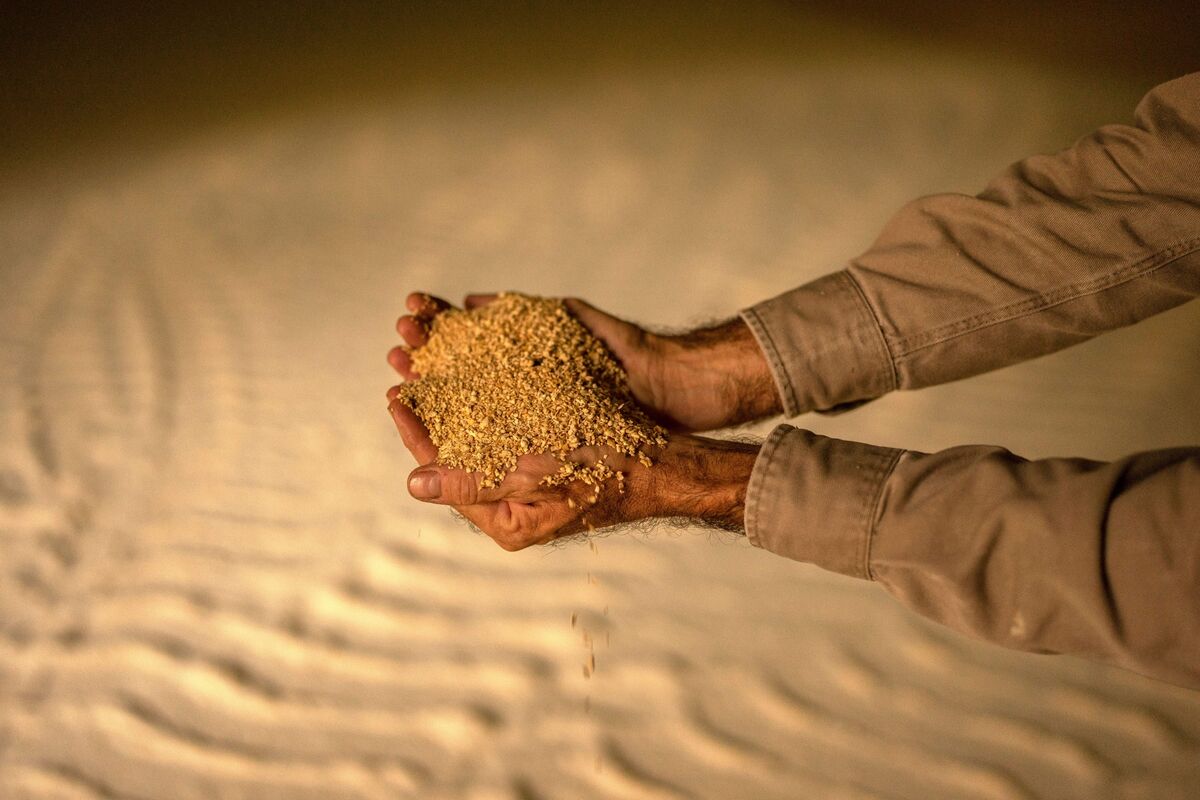
The Netherlands rejected at least two Argentine soybean meal cargoes in April after unauthorized GMO material was found, with alerts filed on April 14 and 17. The issue threatens a major trade flow involving Argentina, the world’s top exporter of soybean meal, and could create near-term disruption for buyers and shippers.
Analysis
This is a quality-control shock more than a pure volume shock, but the second-order effect is that it raises the effective basis risk in the European soy meal market. Once a major gateway like the Netherlands starts flagging origin-linked contamination, EU crushers, feed millers, and traders will likely widen acceptance discounts on Argentine product until traceability is tightened, even if the absolute shipment loss is small in the near term. That pushes margin power toward suppliers with cleaner segregation and stronger testing protocols, especially Brazil and the U.S., which can capture displaced demand without needing a dramatic change in global meal balances.
The near-term risk is not the rejected cargoes themselves; it is a slow-moving credibility problem that can persist for months if additional alerts appear. The market should watch for follow-on inspections in other EU ports and any importers pre-emptively switching to non-Argentine origins, because that would turn a contained customs issue into a broader procurement reroute. If the issue is traced to a specific seed batch or handler, the pain concentrates on exporters and logistics intermediaries; if traceability is weaker than expected, the discount could extend across the whole Argentine soy complex.
A contrarian read is that this may be temporary noise rather than a structural trade barrier, since the EU has shown it will accept large ag flows once documentation and segregation are improved. But even a temporary interruption can matter because meal is a relatively tight logistics market: small frictions can force short-covering, elevate nearby freight costs, and reward optionality in competing origins. The biggest mispricing risk is assuming the problem stays local to two cargoes; in practice, these events often reprice the whole origin curve before physical volumes visibly shift.
AllMind Terminal
AI-powered research, real-time alerts, and portfolio analytics for institutional investors.
Request TrialMarket Sentiment
Overall Sentiment
mildly negative
Sentiment Score
-0.35
Key Decisions for Investors
- Go long Bunge (BG) or Archer-Daniels-Midland (ADM) on a 1-3 month horizon as cleaner-origin market share and merchandising optionality should improve if EU buyers diversify away from Argentine meal; use a 5-8% downside stop if follow-up inspections do not broaden.
- Initiate a relative-value long Brazil-linked agribusiness exposure vs. Argentina-facing logistics/handling names where liquid, favoring originers with stronger segregation and export logistics; thesis is a 2-4% procurement reroute premium over the next quarter.
- Consider shorting near-dated European feed-importer exposed names only on strength if additional port alerts appear; otherwise keep this as a watchlist trade because the shock is more procurement friction than demand destruction.
- Buy upside optionality in agricultural freight/logistics beneficiaries with exposure to transatlantic soy flows if available; this is a low-probability, medium-payoff trade that benefits from rerouting and tighter near-term freight availability.
- Do not chase broad commodity longs yet; wait for confirmation via additional EU alerts or Argentine basis weakness, which would provide a cleaner entry over the next 2-6 weeks.
More News
- Container ship sinks in Strait of Hormuz as Iran steps up attacks
- ‘The biggest financial institutions are not above the law’: Bessent hits BofA with $1.2 billion fine for money laundering—the third-largest in history
- Bank of America says it has completed a lot of work on consent order
- Kraken parent company Payward to become first crypto firm to buy a European Bank
- UN official warns of looming food crisis as Hormuz fertiliser plan stalls
- A growing security premium threatens Saudi Arabia’s investment project