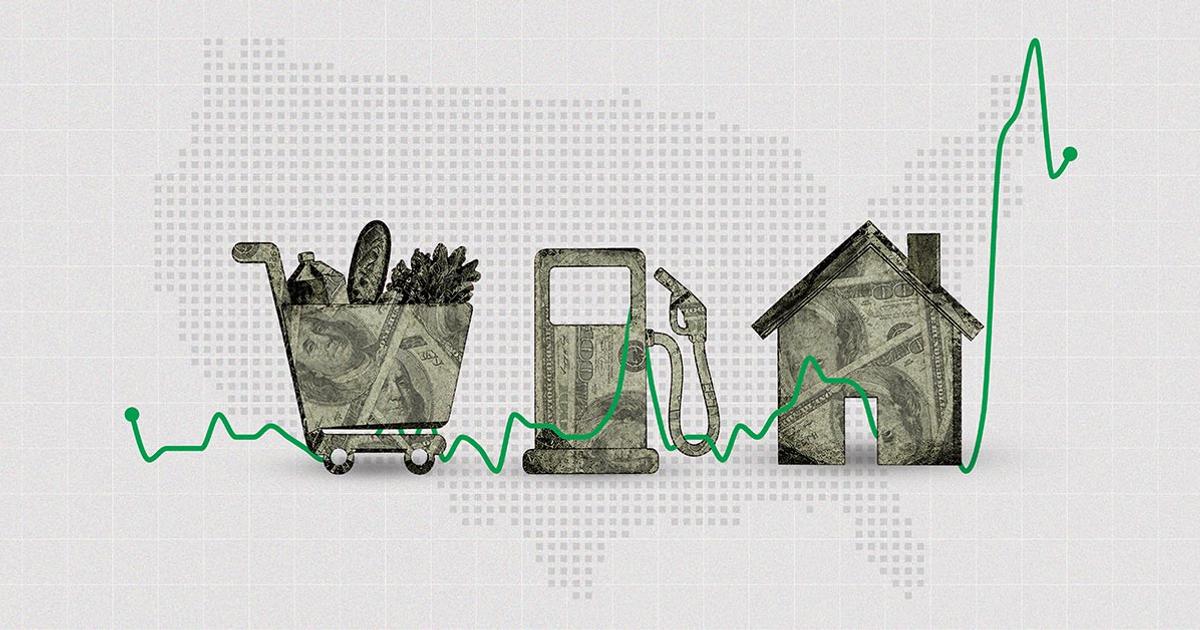
Gallup finds affordability remains the top financial problem for U.S. households, with 31% citing high prices, 13% naming energy costs, and 55% saying their finances are getting worse, a record high. Consumer financial confidence remains subdued: only 46% rate their situation as excellent/good, while 35% say only fair and 19% poor. Worries about retirement, medical costs, bills, and college remain elevated, reflecting lingering pressure from inflation even as price growth has eased.
The key market implication is not “inflation is still high,” but that consumers are behaving as if a higher nominal price level is now permanent. That tends to compress discretionary spending elasticity because households re-anchor budgets around new baselines rather than expecting a quick reversion, which is more damaging for consumer retailers than for businesses with pricing power. The second-order effect is that even when headline inflation cools, demand tends to remain bifurcated: premium goods hold up while value channels, private label, and repair/maintenance spending absorb share.
Energy is the more immediate macro transmission channel. A sustained rise in energy anxiety usually acts like a tax on lower- and middle-income cohorts first, then filters into freight, packaging, and manufacturing input costs with a lag of one to two quarters. That creates a setup where margin pressure can re-accelerate for consumer staples, airlines, parcel/logistics, and auto-related names even if broad CPI prints look tame; the market often underprices that lagged cost pass-through.
The labor-income signal matters as much as price anxiety. When households say finances are worsening despite a still-resilient employment backdrop, it implies the margin for absorbing shocks is thin, so small negative catalysts — higher gasoline, renewed rent pressure, or a weak payrolls print — can trigger outsized revisions in demand expectations. In that environment, the most fragile exposures are high-beta discretionary, small-format retailers, and credit-sensitive financials; the relative winners are defensive healthcare, regulated utilities, and select energy producers with strong cash flow linkage to commodity prices.
Consensus may be too focused on disinflation as a tailwind for consumers and too complacent about the persistence of scar tissue from the 2021-2022 price shock. If inflation stays “not bad enough to panic” but also “not low enough to restore confidence,” the result is a slow-burn demand headwind rather than a sharp recession call. That is often the worst regime for equities because earnings estimates stay too high while multiples fail to expand.
AI-powered research, real-time alerts, and portfolio analytics for institutional investors.
Request DemoOverall Sentiment
mildly negative
Sentiment Score
-0.25
