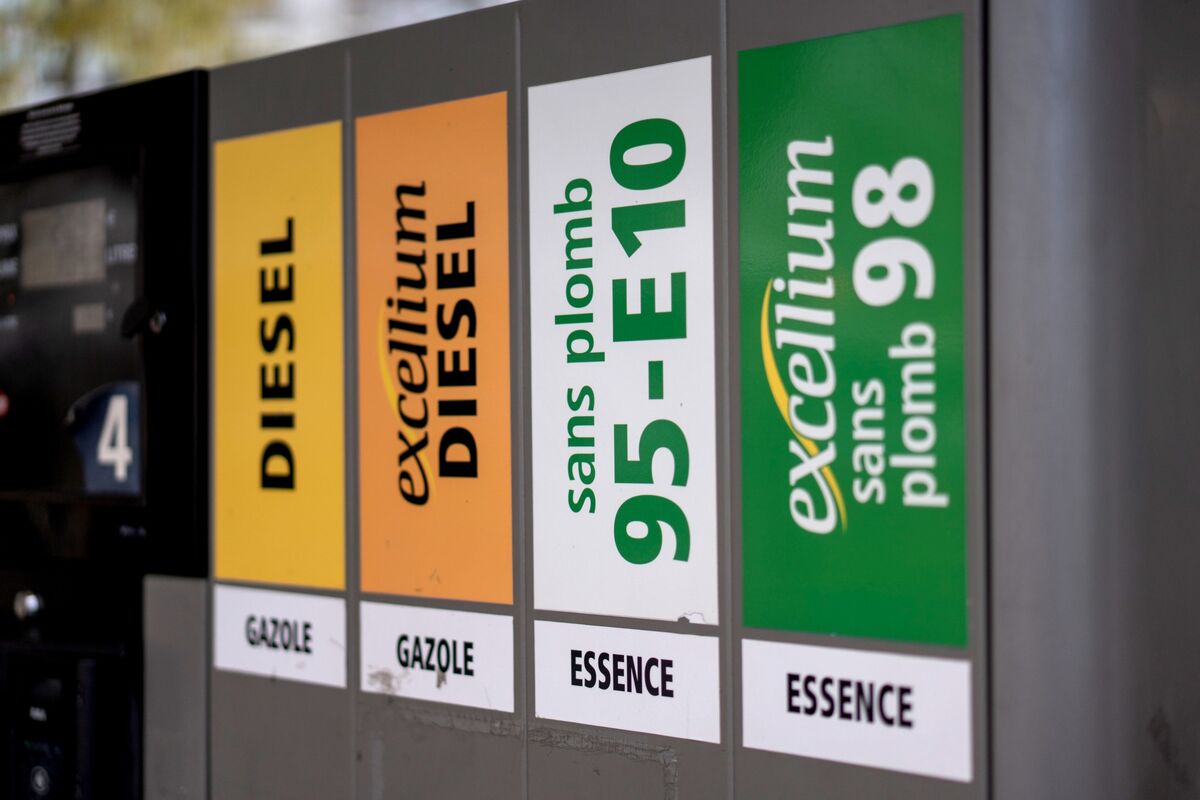
France said there is "no taboo" around an exceptional tax on TotalEnergies, even as the government prefers to keep a fuel-price cap in place for now. The remarks raise the possibility of additional fiscal pressure on the oil major if rising crude prices are seen as generating excess profits. The immediate market impact is limited, but the policy signal is negative for TotalEnergies and the broader European energy sector.
This is less about the economics of one company and more about a policy template that can spread. Once a government signals willingness to tax “windfalls,” every large incumbent with visible commodity exposure and domestic political footprint becomes a latent candidate, which should keep the market discount on European integrateds elevated versus US peers over the next few months. The first-order hit is to TTE’s equity multiple; the second-order effect is that management may respond by biasing capital allocation away from France-facing investment and toward jurisdictions with more stable fiscal regimes.
The market’s bigger mistake may be assuming this is purely a margins story. Exceptional taxes are often framed as one-off redistributions, but once introduced they create a ratchet effect: investors start demanding a higher hurdle rate for upstream capital, and that can slow supply additions precisely when European energy security is still fragile. That is mildly supportive for global crude prices at the margin if it pushes future investment out of Europe, while simultaneously pressuring European refiners, utilities, and industrials through a broader risk premium.
Catalyst timing matters. In the next 1–4 weeks, the headline risk is enough to cap TTE upside and inflate implied volatility; over 3–6 months, the real question is whether this becomes a negotiated fiscal compromise or a precedent for broader sector levies. The downside reverses if crude rolls over materially, because “excess profits” framing loses political traction fast when energy prices normalize, especially into a softer macro backdrop.
The contrarian view is that this may be more bark than bite: governments often use tax rhetoric to strengthen bargaining power before settling for softer measures like price caps, clawbacks, or targeted rebates. If so, the selloff in TTE could be an entry point rather than a structural derating, especially if the company can show that non-domestic cash flow and buybacks remain insulated.
AI-powered research, real-time alerts, and portfolio analytics for institutional investors.
Request DemoOverall Sentiment
mildly negative
Sentiment Score
-0.15
Ticker Sentiment
