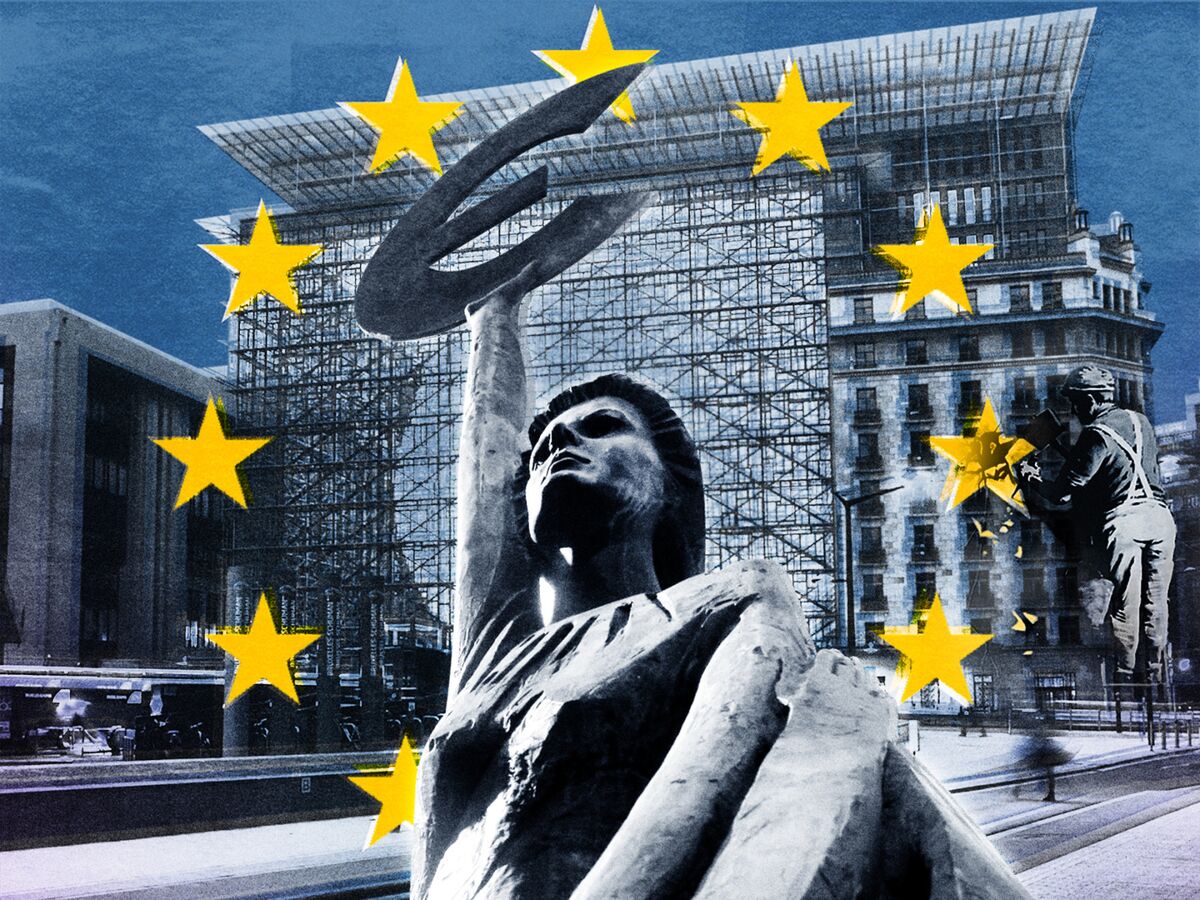
Major European firms, including Mercedes-Benz and LVMH, are actively lobbying the European Union to avoid harsh retaliatory tariffs against the United States, fearing escalation and significant harm to European industry. These businesses are advocating for a swift trade deal and seeking to remove iconic American products like bourbon from potential target lists as the July 9 negotiation deadline approaches. This push comes as the EU's tone has softened despite earlier warnings of "all options," while the US prepares to implement unilateral tariff rates by August 1.
A notable divergence is emerging between the European Commission's official stance on U.S. tariffs and the interests of major European corporations. Firms such as LVMH and Mercedes-Benz are actively lobbying for a de-escalation, fearing the economic fallout from a retaliatory trade war. This corporate pressure to secure a swift deal and remove specific U.S. goods from target lists appears to be influencing policy, as evidenced by the Commission's reportedly "softened" tone ahead of a critical July 9 negotiation deadline. The situation presents a clear risk for export-oriented European sectors, reflected in the negative sentiment score (-0.2) for LVMH, whose luxury goods are sensitive to trade barriers and economic uncertainty. With the U.S. prepared to impose unilateral tariffs by August 1, the lobbying efforts indicate a strong corporate desire to prioritize commercial stability over political posturing, creating a complex backdrop for the final negotiations.
AI-powered research, real-time alerts, and portfolio analytics for institutional investors.
Request DemoOverall Sentiment
mixed
Sentiment Score
-0.15
Ticker Sentiment
