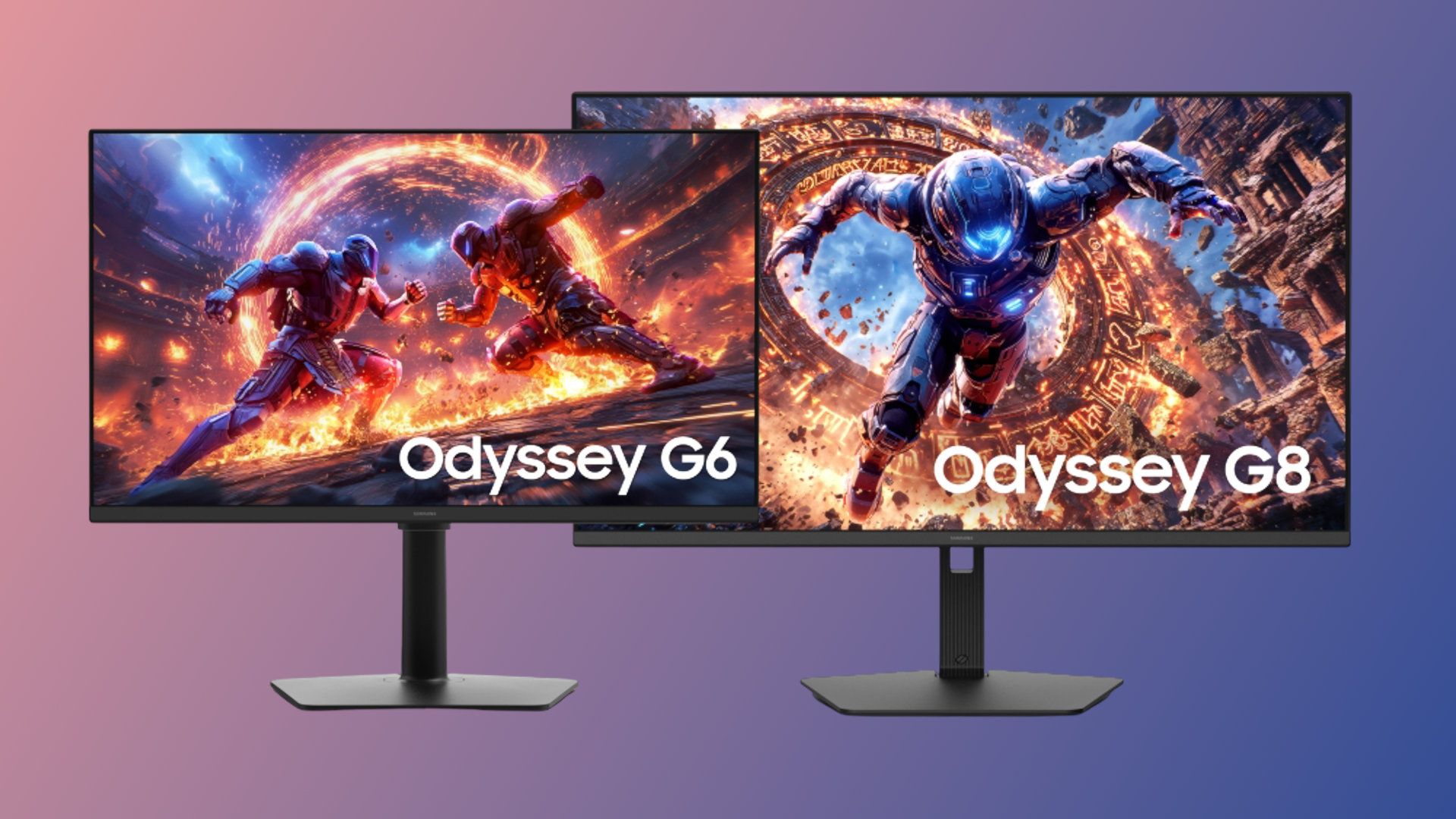
Samsung unveiled two new Odyssey monitors: the G60H (27" IPS, 1440p default at 600 Hz, dual-mode 1080p at 1,040 Hz) and the G80HS (32" IPS, 6,144 x 3,456 6K at 165 Hz with a 3K dual-mode at 330 Hz). The G60H supports FreeSync Premium Pro and is G‑Sync compatible; pricing is not yet announced and both products target high-end esports and enthusiast gamers, implying limited near-term mainstream demand due to hefty GPU requirements.
Ultra-high refresh and hyper‑resolution monitors are a demand amplifier, not a market-creator: they shift incumbent spend within the PC ecosystem toward higher‑end GPUs, more VRAM, and sophisticated upscaling — concentrating incremental spend in a small, high‑ARPU cohort (esports teams, content studios, affluent enthusiasts). Expect meaningful revenue for GPU and memory vendors only if software upscaling and driver optimizations close the practical performance gap; that’s a 6–12 month runway for meaningful adoption as game engines and drivers integrate upscalers at scale.
On the supply side, these displays force non-obvious increases in bill‑of‑materials complexity (higher‑spec display controllers, bandwidth management, certification for DP/HDMI standards), creating upside for niche semiconductor suppliers and panel fabs that can deliver low defect rates at high spec. Orders for these components are lumpy — suppliers will see discrete multi‑quarter spikes followed by inventory digestion; monitor OEMs face concentrated capex and inventory risk over the next 3–9 months.
Competitor positioning will diverge: OEMs with integrated stacks (panel + silicon + system firmware) can capture margin and faster time‑to‑market, while ODM/channel players face a margin squeeze. Tournament and pro adoption could create a durable, if small, annual replacement cadence (refresh windows for pro rigs are 18–36 months), but consumer adoption depends on price elasticity and usable performance gains delivered by upscaling tech.
The tactical risk is an early‑cycle inventory glut if retail demand misses premium forecasts; conversely, the catalyst path that validates higher ASPs is OEMs securing GPU supply and demonstrable user‑perceived improvements (not raw Hz), which we should watch across the next two quarters via channel checks and driver roadmap milestones.
AI-powered research, real-time alerts, and portfolio analytics for institutional investors.
Request DemoOverall Sentiment
mildly positive
Sentiment Score
0.15
