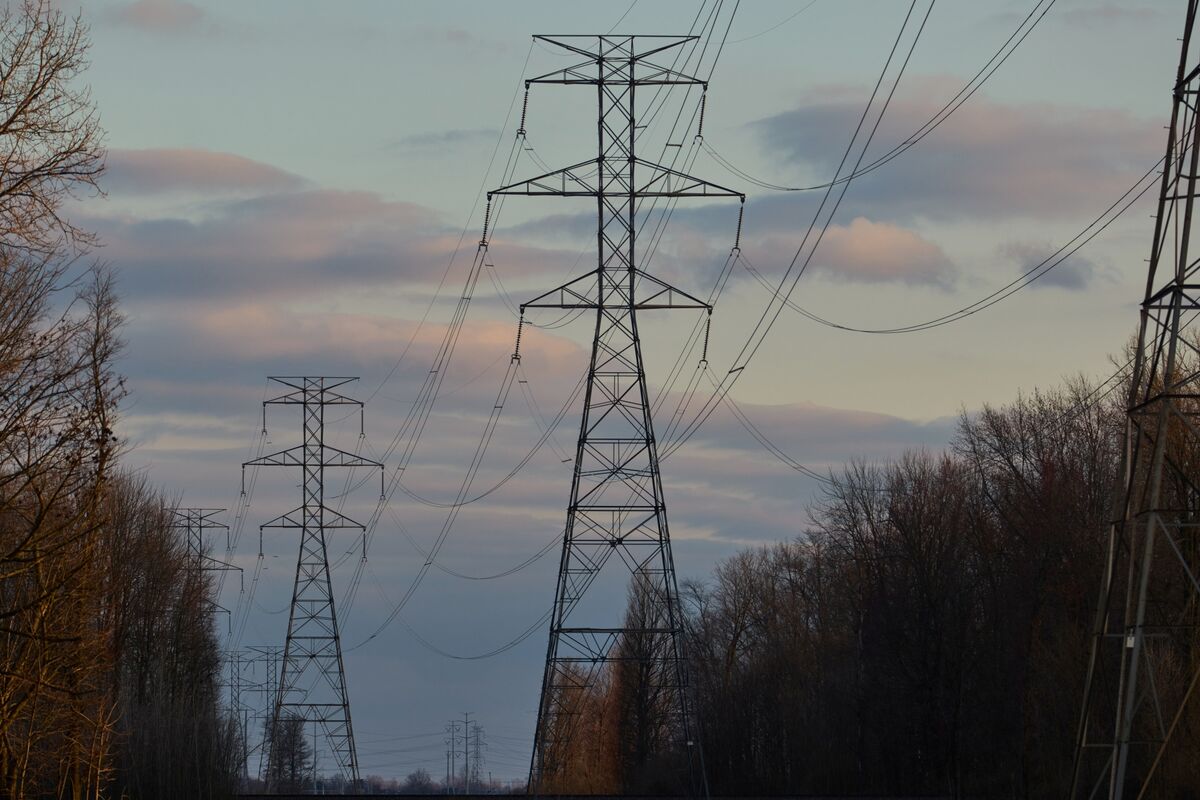
The rapid expansion of AI data centers is significantly straining PJM Interconnection, the largest US power grid covering 13 states. This surge in demand has led PJM to issue nine energy emergency alerts since June, signaling a growing challenge to power supply stability in a region historically known for its ample electricity and posing potential infrastructure constraints for future AI growth.
The rapid expansion of artificial intelligence is creating a significant and tangible strain on the largest US power grid, PJM Interconnection. Historically characterized by surplus electricity capacity, the 13-state grid has issued nine energy emergency alerts since June, a direct indicator of mounting pressure on its ability to meet demand. This development reveals a critical infrastructure bottleneck for the AI sector's growth trajectory, shifting the narrative from computational limits to physical resource constraints. The frequent emergency alerts signal that power supply stability, once taken for granted in this region, is now a pressing concern, with direct implications for energy markets and the build-out of digital infrastructure.
AI-powered research, real-time alerts, and portfolio analytics for institutional investors.
Request DemoOverall Sentiment
moderately negative
Sentiment Score
-0.50
