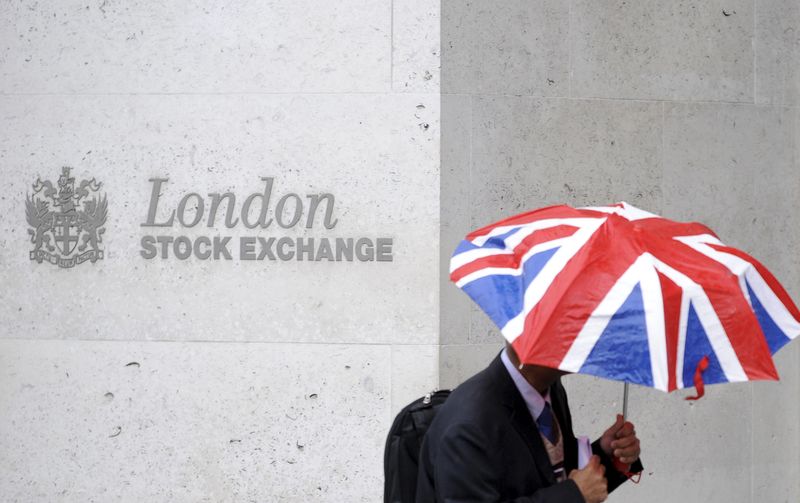
The FTSE 100 rose 2.13% as risk appetite improved, led by Fresnillo (+11.14%), EasyJet (+8.86%) and Smurfit WestRock (+7.99%). Energy stocks lagged, with BP down 3.72% and Shell off 3.05%, alongside a sharp drop in crude oil (June WTI -6.53% to $95.59; July Brent -6.77% to $102.43). Gold jumped 2.76% to $4,694.56 per ounce, while GBP/USD was flat at 1.36 and the US Dollar Index Futures fell 0.42%.
The market is pricing a rapid de-escalation premium into hydrocarbons, but the first-order move in oil is likely to be less important than the second-order unwind in volatility. If even a partial reopening of the Strait of Hormuz becomes credible, the marginal barrel re-enters the market through a much lower geopolitical risk premium, which tends to compress Brent curve backwardation and hit energy equities harder than spot oil alone would imply. That is particularly negative for integrated names with high beta to realized prices and less operational torque than pure E&Ps.
The cleanest relative winner is anything leveraged to lower input costs and lower freight insurance premia: airlines, autos, and certain industrials should benefit if fuel hedges roll off into a softer tape. In the UK, the move is especially relevant for domestic cyclicals and transport exposure because the currency reaction has been muted; if GBP stays stable while energy falls, real purchasing power improves without an offsetting FX shock. Banks are a secondary beneficiary only if the move reflects broader risk-on positioning and not a growth scare; otherwise the signal is more about sector rotation than macro improvement.
For Shell specifically, the near-term risk is a multiple compression event rather than just a lower earnings print. The market may be underestimating how quickly sell-side models cut forward cash flow assumptions if Brent stays below the marginal buyback threshold for several weeks, especially with crude already reacting aggressively to headline risk. The contrarian view is that this is a headline-driven air pocket unless actual shipping flows normalize; if talks stall, oil could mean-revert sharply within days, and the energy tape would reprice the geopolitical premium back in fast.
The deeper medium-term implication is that any credible Gulf supply normalization would also pressure gold, defensive utilities, and long-duration hedges as the market rotates from tail-risk protection to reflation-lite positioning. That makes the current move more fragile than a standard supply shock unwind: the same narrative that hurts energy also reduces demand for portfolio hedges, which can extend the equity rally if vol sellers step in. In that sense, the trade is less about one barrel and more about whether the market believes a regime shift in regional risk is durable.
AI-powered research, real-time alerts, and portfolio analytics for institutional investors.
Request DemoOverall Sentiment
mildly positive
Sentiment Score
0.15
Ticker Sentiment
