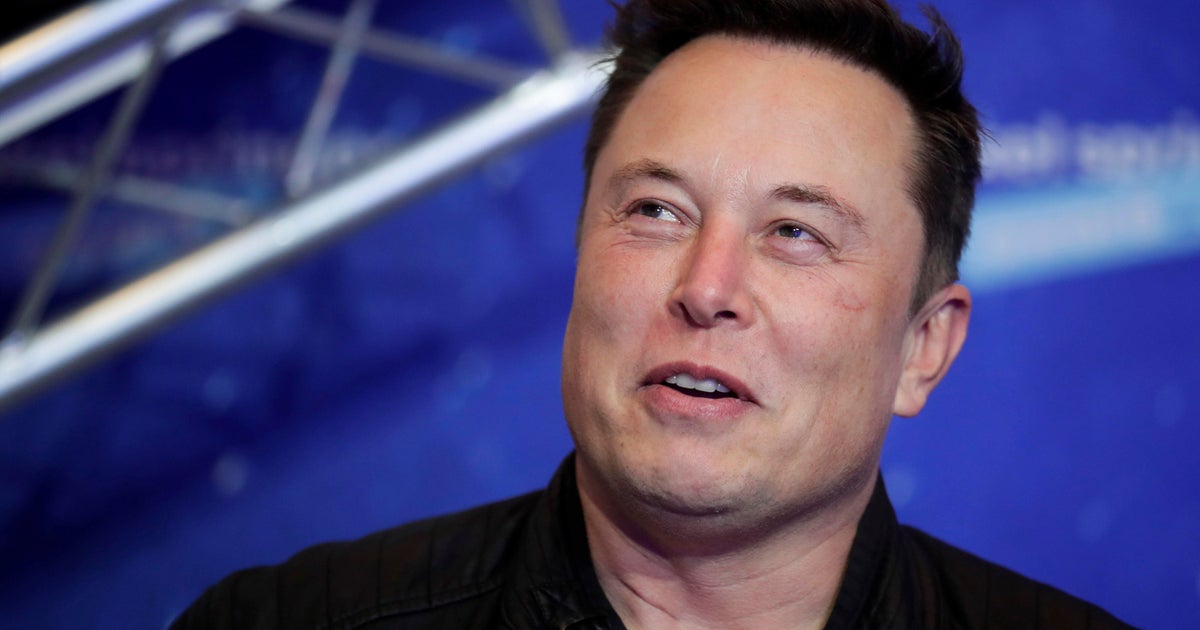
Elon Musk is in Beijing while his $150 billion civil lawsuit against OpenAI and CEO Sam Altman reaches its final stage in California, with closing arguments scheduled for Thursday. The case centers on whether OpenAI deviated from its nonprofit mission and whether Musk can force governance changes, including removing Altman and converting OpenAI back to a nonprofit. The article is primarily procedural and legal in nature, with limited immediate market impact despite its relevance to the AI sector.
The market read-through is less about the courtroom optics and more about optionality in Musk’s attention bandwidth. For TSLA, the near-term equity impact is probably muted, but governance overhang matters because it reinforces a persistent discount on capital allocation credibility: when the CEO is simultaneously defending legacy legal claims and prosecuting multiple strategic fronts, investors assign a higher probability of distraction-driven execution misses over the next 1-3 quarters.
The more important second-order effect is competitive: if the dispute continues to sharpen the narrative that OpenAI’s governance is unstable, it strengthens the case for alternative model providers and enterprise buyers seeking multi-vendor AI stacks. That is incrementally favorable for diversified AI infrastructure names and cloud platforms, while xAI remains a beneficiary if Musk can keep framing himself as the anti-incumbent alternative. The real loser is any company where market value depends on Musk’s ability to concentrate attention on a single operating priority.
The contrarian view is that the market may be overestimating the incremental damage to TSLA from another week of headline risk. The stock’s biggest driver remains vehicle demand, pricing, and autonomy milestones; legal theater is usually a multiple issue, not an earnings issue, unless it metastasizes into injunctions, governance remedies, or formal testimony obligations that constrain his schedule for months. In the next few days, this is mostly a volatility event; over a 6-12 month horizon, it only matters if it materially worsens board-level governance scrutiny or impairs his ability to execute on AI/autonomy messaging.
Tail risk is asymmetric: if the court signals Musk’s testimony is material enough to require recall, the story becomes one of recurring court dates and reputational friction, which could pressure TSLA sentiment into the next earnings cycle. Conversely, if the issue disappears after closing arguments, the whole episode fades quickly and the market likely reverts to trading Tesla on fundamentals and AI/autonomy catalysts.
AI-powered research, real-time alerts, and portfolio analytics for institutional investors.
Request DemoOverall Sentiment
neutral
Sentiment Score
-0.05
Ticker Sentiment
