




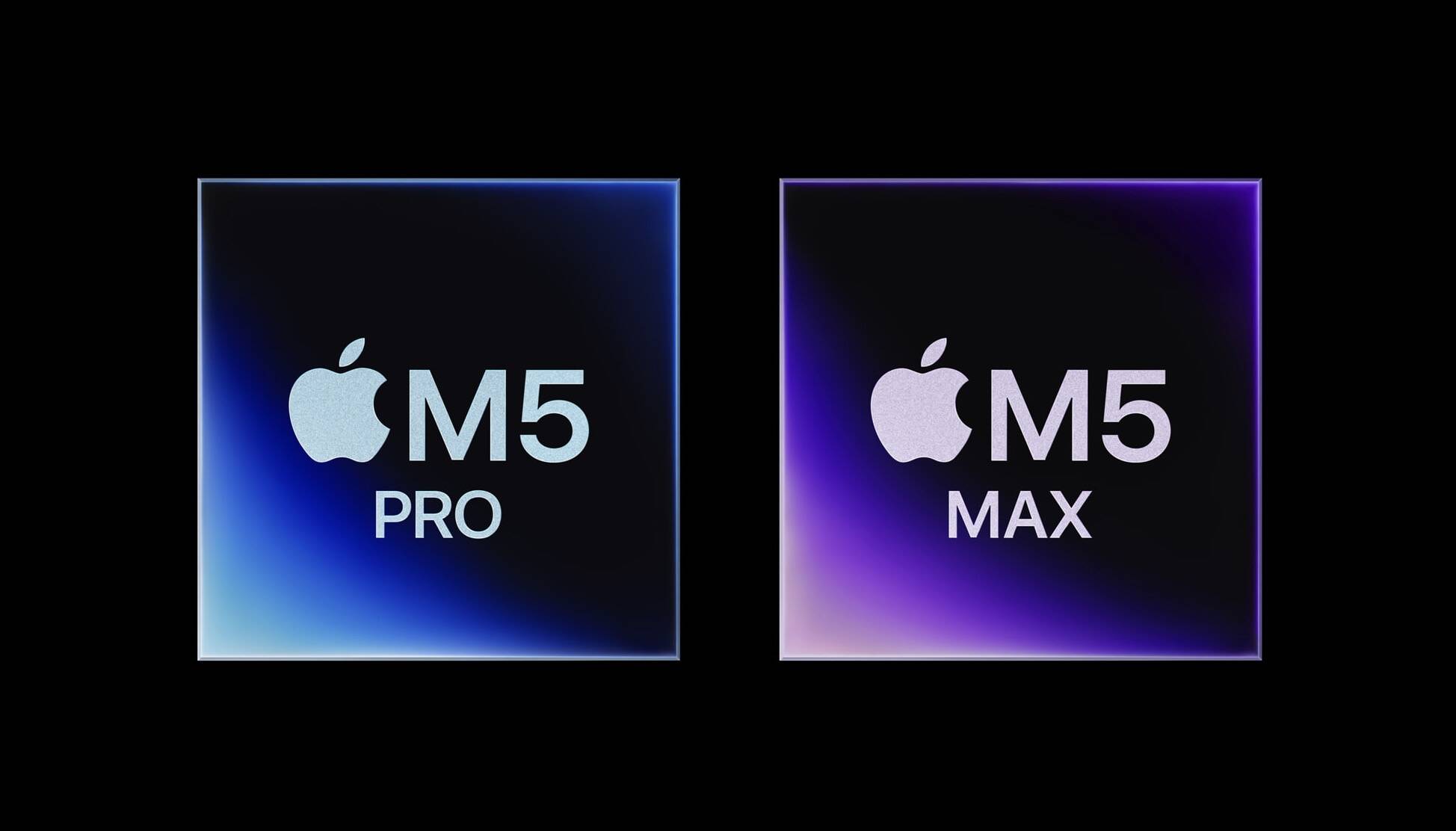
Apple refreshed its MacBook lineup with M5-series chips and raised starting prices: MacBook Pro 14-inch now starts at $2,199 and 16-inch at $2,699 (each $200 higher than M4 Pro equivalents), while M5 MacBook Air starts at $1,099 (13") and $1,299 (15"). The M5 family uses a heterogeneous multi-die design (CPU up to 18 cores, GPU up to 40 cores) with integrated neural acceleration and increased memory bandwidth (307 GB/s M5 Pro, 614 GB/s M5 Max); Apple also doubled base storage across Pro (1 TB/2 TB) and Air (512 GB) to justify price moves amid DRAM and NAND shortages. Pre-orders begin March 4 with general availability March 11; the pricing change reflects supply-driven memory cost pressures even as Apple positions the chips to accelerate AI workloads and preserve product margins.
Market structure: Apple (AAPL) wins near-term pricing power — $100–$200 sticker hikes plus doubled base NAND (512GB–2TB) signal willingness to pass through elevated DRAM/NAND costs (NAND ~ $0.20/GB) while protecting margins. Memory suppliers (e.g., MU) and GPU/IP vendors with AI-capable silicon (NVDA benefitting from broader AI demand; Apple's internal neural accelerator creates competition in edge AI) are net beneficiaries; Intel and AMD lose incremental Mac TAM and pricing leverage in premium notebooks.
Risk assessment: Key tail risks include a memory-price collapse (>30% correction) that would depress supplier stocks and make Apple’s hikes look opportunistic, regulatory/antitrust scrutiny of vertical integration, and China demand softness ahead of the March 11 launch. Immediate (days): order-book reception and pre-order cancellations; short-term (weeks–months): supplier revenue cadence and memory spot-price prints; long-term (12–36 months): structural on-device AI reducing x86 Mac demand.
Trade implications: Tactical trades should express long memory and Apple pricing power while hedging legacy CPU exposure. Expect 3–6 month dispersion: memory names can outperform by +20–40% on sustained tightness; Intel/AMD could underperform by 10–25% as Mac share shifts. Option implied vols on memory names will be elevated around earnings — use defined-risk spreads to attack asymmetry.
Contrarian angle: Consensus assumes Apple’s price hike is mere pass-through; instead, Apple is using storage as a psychological anchor to mask margin pressure — this creates a 1–2 month mispricing window where Apple shares re-rate on product resilience while suppliers reprice on memory scarcity. If DRAM/NAND supply ramps quickly (e.g., fab expansions announced), memory longs will reverse hard — size positions accordingly.
AI-powered research, real-time alerts, and portfolio analytics for institutional investors.
Request TrialOverall Sentiment
neutral
Sentiment Score
0.05
Ticker Sentiment
