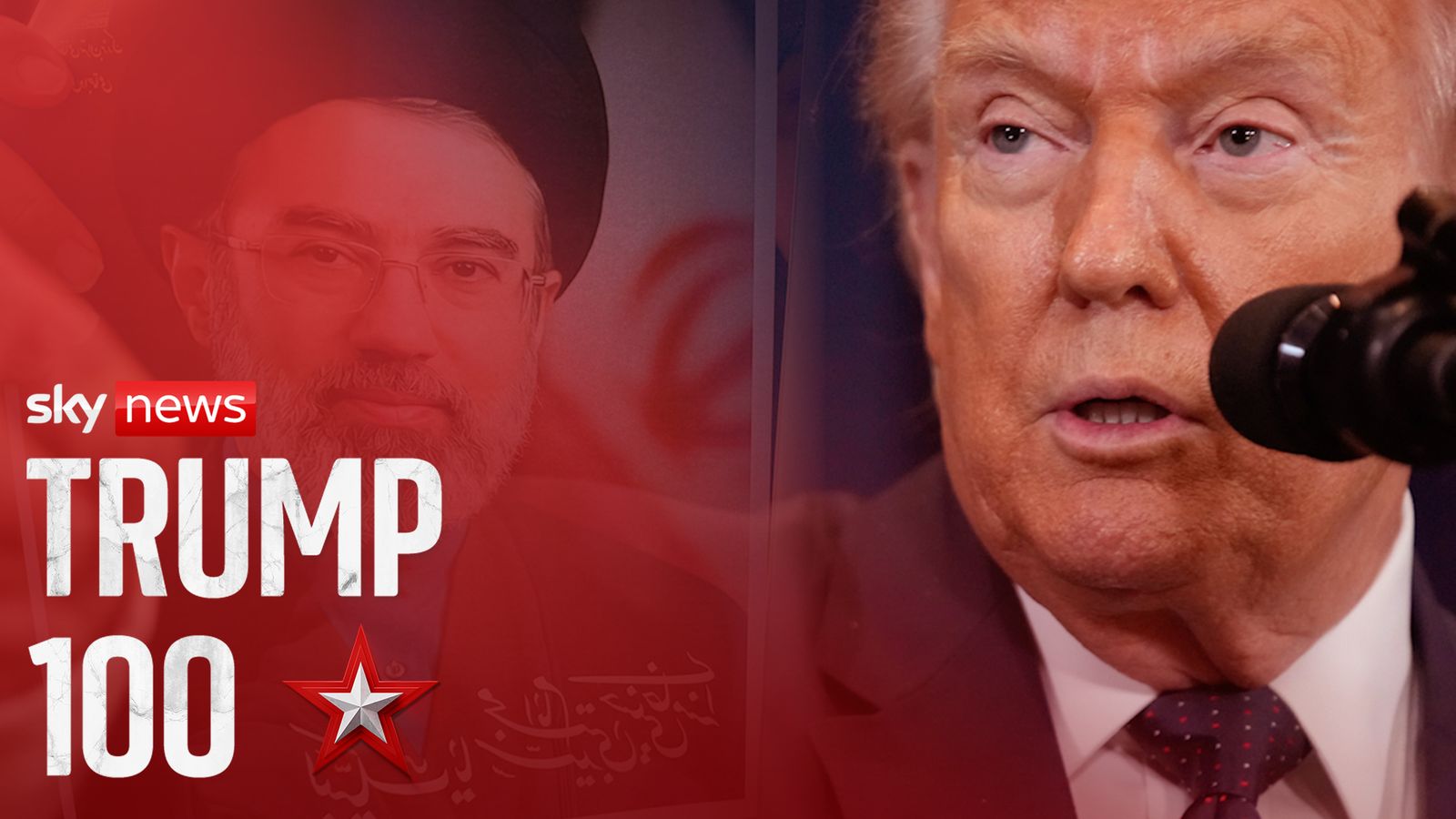
168 people were killed in a reported bombing of a girls' school, and President Trump's comments have prompted questions that could implicate the US, increasing the risk of escalation. A newly chosen, reportedly more hardline Iranian supreme leader raises the likelihood of retaliatory moves and greater regional instability, keeping markets on edge. The coverage is amplifying geopolitical risk that could widen oil market volatility and risk premia and push investors into safe-haven assets.
High-profile executive statements that complicate plausible deniability materially raise the probability of asymmetric retaliation and proxy escalation over the next 2–12 weeks. Mechanically this shows up first in risk premia: shipping insurance (P&I) and Gulf transit premiums spike within days, Brent forwards gap wider over 2–6 weeks, and FX/sovereign spread shocks propagate to EM banks that fund regional trade.
A harder-line leadership environment in Tehran reduces diplomatic off-ramps and increases the value of kinetic deterrence for large, diversified defense primes with sustained backlog and global services footprints. Conversely, mid/small-cap suppliers with concentrated program risk or single-source supply chains face rapid de-rating if production reroutes or export licenses stall — think multi-month revenue interrupters, not quarter-to-quarter noise.
Near-term catalysts to watch are formal intelligence releases, insurance-market signals (reported P&I rate moves), and any attacks on maritime chokepoints; each can move oil and defense sentiment in discrete jumps rather than a smooth drift. Tail risks include strikes on major export infrastructure or US/coalition assets that could add $10–30/barrel to Brent and force a 5–10% equity re-price in risk assets within 2–6 weeks — these events are low probability but high impact and non-linear for portfolios.
Consensus will initially bid both defense and energy indiscriminately; that trade can be crowded and vulnerable to a fast unwinding if investigatory ambiguity or third-party mediation lowers escalation expectations. Tactical opportunities exist to express convexity (options) rather than linear exposure, and to pair long-high-quality defense/energy with shorts in travel/consumer discretionary names most sensitive to geopolitical risk surges.
AI-powered research, real-time alerts, and portfolio analytics for institutional investors.
Request DemoOverall Sentiment
strongly negative
Sentiment Score
-0.70
