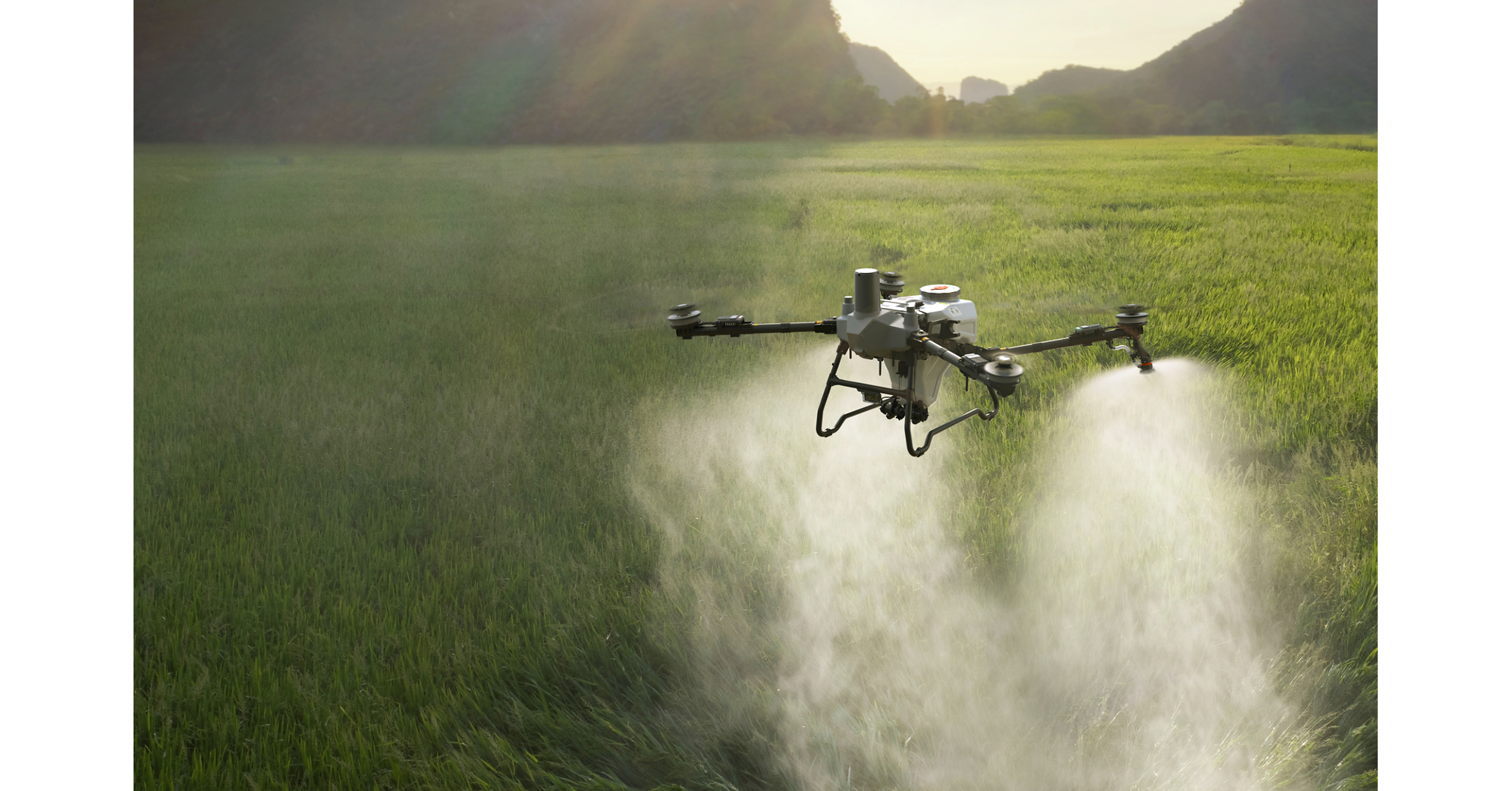
DJI Agriculture anunció el lanzamiento global de los sistemas de pulverización de doble batería Agras T55 y Agras T100 para ampliar la agricultura de precisión. El Agras T55 ofrece capacidad de 50 L (50 L/min con aspersores de niebla) y mejora la seguridad con radar milimétrico y visión cuádruple, mientras que el Agras T100 incrementa el tiempo de vuelo estacionario en 50% con la misma carga útil y eleva la autonomía con tanque de 90 L (40 L/min con cuatro rociadores de niebla). La noticia es positiva para la innovación del portafolio, pero sin cifras financieras ni guía, por lo que el impacto de mercado se ve limitado.
This is a classic “technology headline, slow revenue translation” event. In precision agriculture, the winners are usually not the drone OEM alone but the service/channel layer that can finance, maintain, train, and insure usage; that makes the economics more similar to fleet equipment than consumer electronics. The launch should pressure incumbent sprayer and aerial-application workflows over 6-18 months, but only if adoption penetrates beyond early adopters and into high-value orchard and row-crop use cases where labor scarcity is acute.
The second-order effect is margin compression for legacy application vendors and more pricing pressure on chemical spend per acre if higher-precision atomization reduces waste. But the counterforce is that farmers often use new equipment to expand treated acreage rather than cut total input dollars, so the near-term P&L benefit is mostly productivity, not immediately visible TAM expansion. For public markets, this is more relevant as a “physical AI/autonomy” signal than as a direct earnings catalyst for listed U.S. tech names.
For GOOGL specifically, there is no obvious direct financial read-through unless this eventually becomes a cloud/AI mapping workflow. The market may be overrating the immediacy of monetization from drone automation: procurement cycles in agriculture are seasonal, financing-sensitive, and heavily dependent on local service coverage, so share gains should be measured in seasons, not quarters. The main falsifier is evidence that regulatory or dealer bottlenecks prevent install base growth after the launch window.
Consensus may be missing that hardware launches in fragmented ag markets tend to create ecosystem winners before they create profit pool winners. If a public comparison exists, the better trade is to own enabling software/data and avoid single-product hardware exposure; if not, the right posture is patience until channel checks confirm conversion into recurring service revenue.
AI-powered research, real-time alerts, and portfolio analytics for institutional investors.
Request DemoOverall Sentiment
mildly positive
Sentiment Score
0.25
Ticker Sentiment
