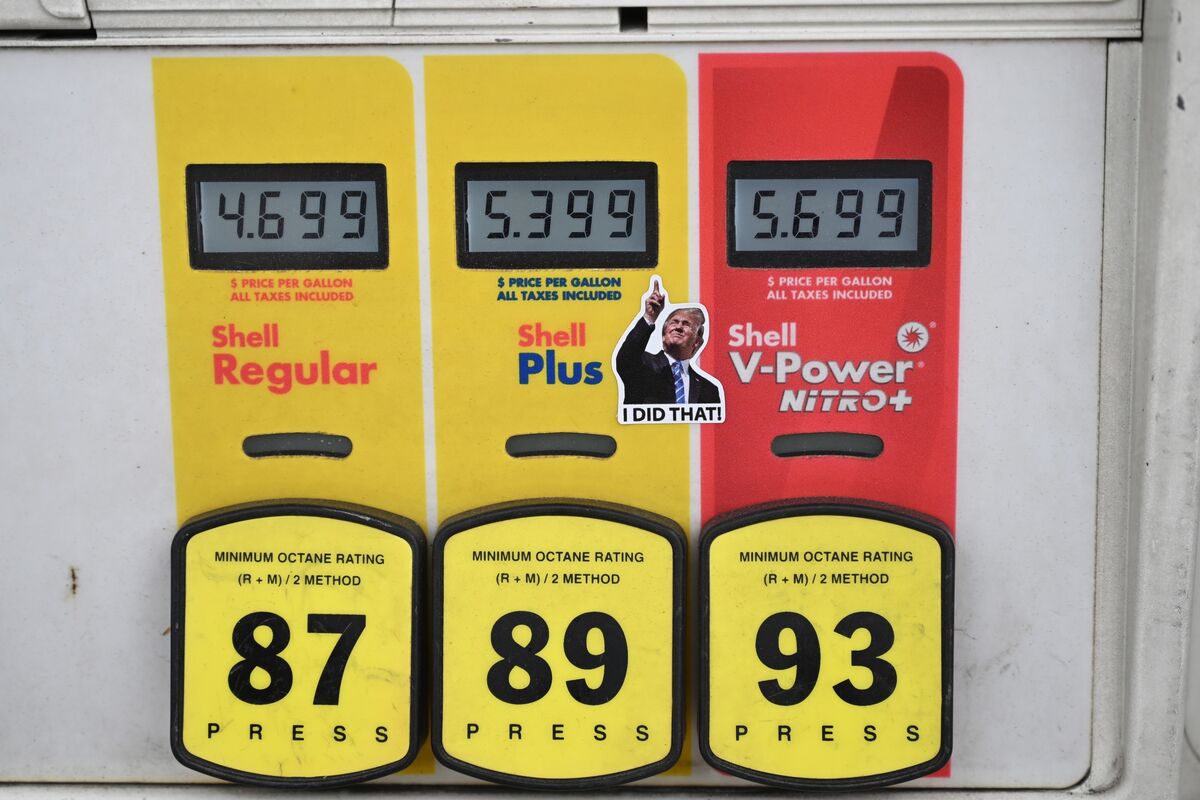
U.S. households' saving rate fell to an almost four-year low in April as inflation forced consumers to spend more just to maintain the same standard of living. The article links the deterioration to tariff-driven inflation, higher energy prices from the Iran conflict, and broader strain on consumer finances. The piece argues this is a growing vulnerability for the U.S. economy if spending power keeps eroding.
The key second-order read-through is not just softer consumption, but a forced shift in the composition of demand. When households are running down savings, they defend necessities first and defer discretionary, financing-dependent, and big-ticket purchases later; that usually means margin pressure for retailers with lower-income exposure, stronger near-term share for value/grocery formats, and a slower bleed into autos, home improvement, and travel over the next 1-3 quarters. The market often prices the first-order inflation hit quickly, but underprices the lagged earnings downdraft from volume elasticity and rising delinquencies.
This setup is also a negative for credit quality before it is a negative for headline retail sales. Lower savings tends to show up first in BNPL utilization, revolving credit growth, and a higher share of minimum payments; that creates a delayed earnings risk for banks, card issuers, and consumer lenders even if loan losses do not spike immediately. If energy remains elevated, the burden is regressive, so the marginal consumer is the one most likely to break first, which makes subprime and near-prime consumer credit a cleaner early warning signal than broad macro data.
The contrarian point is that markets may already be partially discounting a “soft consumer” regime, but not the distributional effect. Large-cap retailers with scale, private label, and pricing power can actually gain share as weaker households trade down, while premium discretionary names can look resilient until volumes roll over abruptly. The bigger risk is that this morphs from an income shock into a confidence shock if consumers perceive the drawdown in savings as permanent; that would broaden the slowdown from months into a year-long demand reset.
AI-powered research, real-time alerts, and portfolio analytics for institutional investors.
Overall Sentiment
mildly negative
Sentiment Score
-0.35
