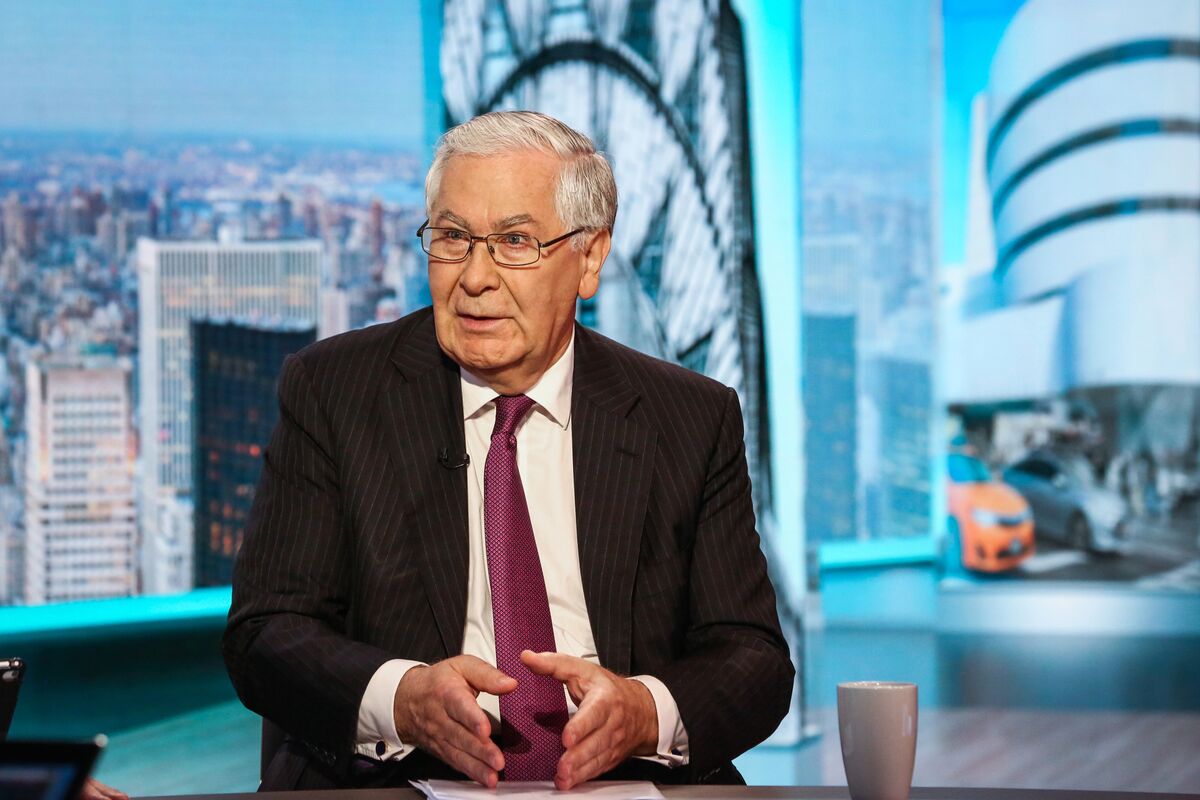
Fed Chairman Kevin Warsh appointed former Bank of England Governor Mervyn King as co-chair of a new communications task force, signaling a likely reset in how the Fed conveys its monetary-policy outlook. Warsh indicated he may not hold a press conference after every rate decision and has previously urged policymakers to reduce speech frequency. Net impact is moderate: it could shift near-term expectations around Fed guidance rather than change policy rates immediately.
A shift toward less explicit Fed guidance is a small headline change with a large second-order effect: it raises the variance of the policy path even if the expected path is unchanged. That tends to steepen the rates-implied uncertainty premium, which matters most for lenders whose margins are driven by asset-liability timing rather than pure credit growth. In that setup, rate-sensitive regionals are more vulnerable than money-center banks, because higher front-end volatility can pressure deposit betas and make loan pricing less predictable over the next 1-3 quarters.
For OZK and, to a lesser extent, CBSU, the key issue is not direction of rates but the distribution of outcomes. If the Fed signals less frequently, the market will lean harder on each CPI/NFP print, which usually lifts rate volatility and can delay both borrower refinancing and management confidence in capital deployment. That is mildly negative for OZK’s CRE-heavy exposure if long-end yields reprice higher on a term-premium shock; CBSU is better insulated but still not immune to a widening uncertainty band around funding costs.
The contrarian read is that this may be mostly a communication-style reset, not a policy regime change. If upcoming inflation prints stay benign, the market will quickly re-anchor to the same terminal-rate expectations, and the apparent “hawkishness” of less talk will fade within weeks. The thesis is falsified if rate vol compresses and 2s10s remains stable after the next FOMC/SEP cycle; in that case, there is no reason to own a banks-underperformer basket on this alone.
AI-powered research, real-time alerts, and portfolio analytics for institutional investors.
Overall Sentiment
neutral
Sentiment Score
0.05
Ticker Sentiment
