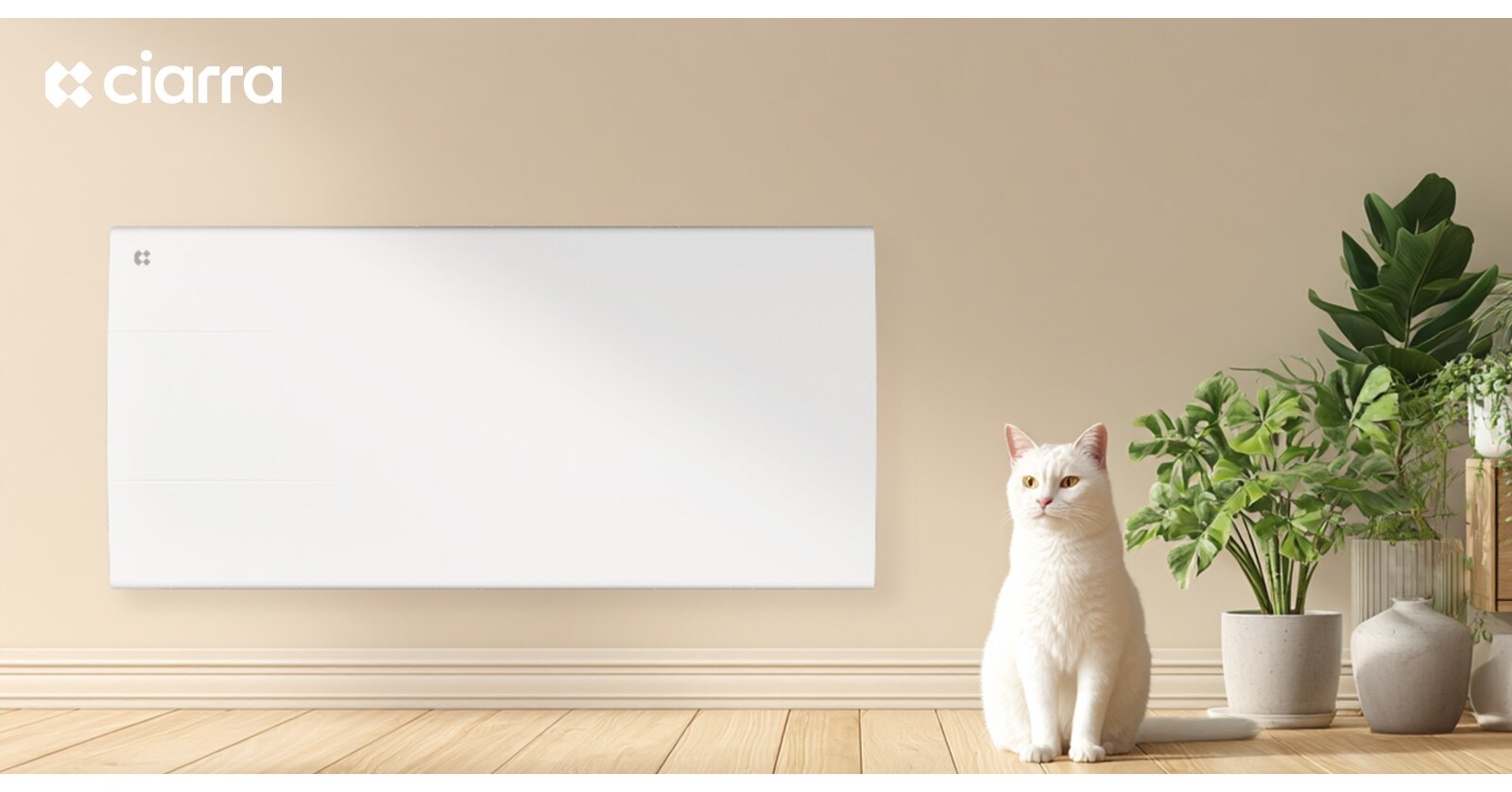
Ciarra lance en Europe (depuis le 23 juillet 2026) une nouvelle gamme de radiateurs électriques connectés, avec des modèles de 1 000 W, 1 500 W et 2 000 W pour des pièces d’environ 10 à 20 m². Le modèle phare CBHTD15A-W (1 500 W) intègre le Wi‑Fi et promet une montée en chauffe rapide en moins de cinq minutes, plus une programmation 7 jours/24h et des fonctions sécurité (détection fenêtre ouverte, protection surchauffe, indice IP24 pour salles de bains). L’annonce vise une chaleur programmable et économe en énergie, avec une disponibilité via les plateformes en ligne officielles dans la plupart des pays européens.
This reads less like a catalyst and more like a distribution test: a fragmented, low-ASP appliance category where incremental revenue is likely to accrue to whoever wins search, marketplace placement, and retailer trust rather than to the product spec itself. The immediate market impact is probably negligible, but the second-order signal is that European households still value point-of-use heating when central heating economics are unfavorable, which keeps the category alive as a seasonal replacement market rather than a structural growth market.
The real economic lever is not unit growth but substitution: if households lean on portable electric heaters during colder months, the trade-off is higher electricity intensity at the margin and less urgency for higher-ticket heating upgrades. That is mildly supportive for retailers and e-commerce channels, but it is not enough to move utility load or broad energy prices. It also does not create durable pricing power; feature sets like Wi-Fi control and window detection are already table stakes, so margins should remain exposed to price competition and promotion.
The contrarian risk is that investors mistake “smart” for “moaty.” This is still a commoditized consumer appliance with thin differentiation, and the launch itself is not independently verifiable demand evidence. If anything, the structurally better beneficiaries over 6-18 months are heat-pump, insulation, and thermostat ecosystems, not resistance-heater brands; portable heaters are more a stopgap than a regime change.
Near term, there is no clear public-market trade unless we get follow-through in winter weather and European gas/electricity spreads. If gas stays cheap or the weather normalizes, this story fades quickly; if it gets colder and power prices spike, the category can see seasonal sell-through, but that is a retail inventory and margin story, not an earnings inflection.
AI-powered research, real-time alerts, and portfolio analytics for institutional investors.
Request DemoOverall Sentiment
mildly positive
Sentiment Score
0.12
