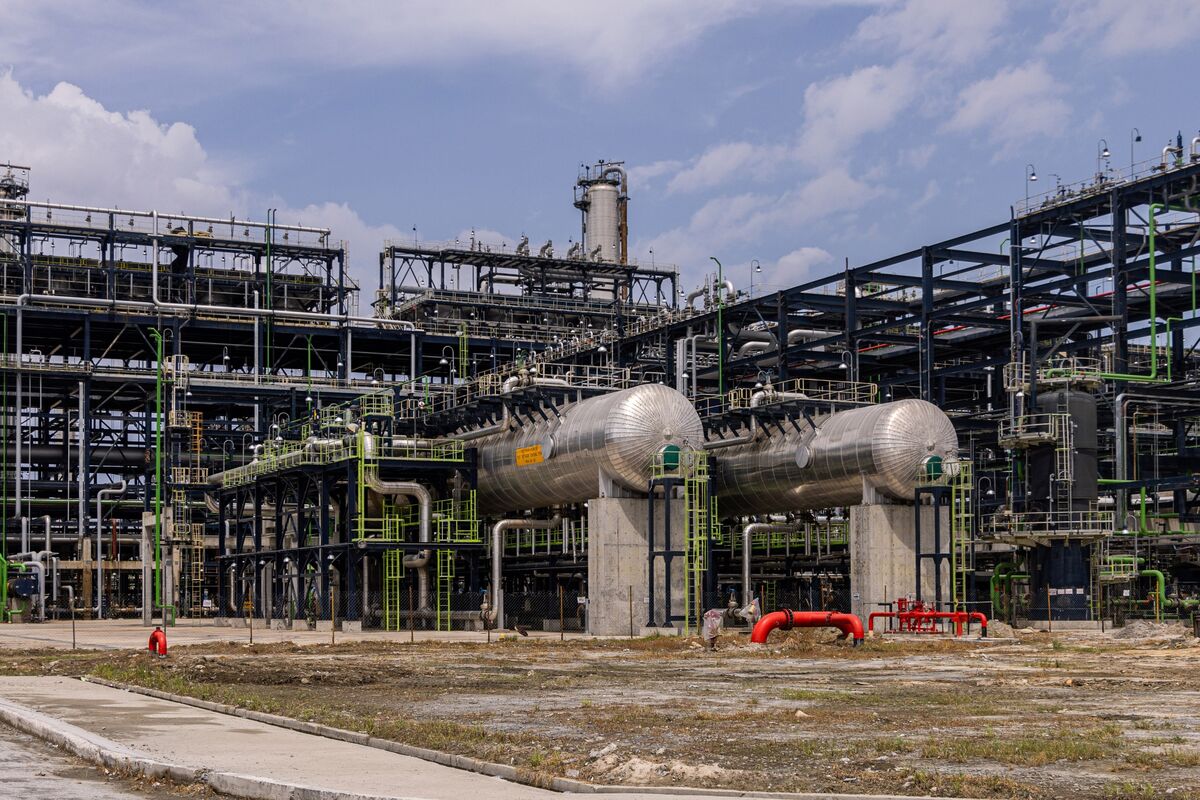
Dangote Fertiliser is seeing a substantial surge in orders as the US-Israel war on Iran disrupts global fertilizer supplies, according to Devakumar Edwin. The demand spike should support near-term revenue and utilization for Dangote, potentially improving regional pricing power and margins while tightening supply for competitors reliant on affected supply routes.
The disruption to Middle Eastern shipping and export flows is creating a transient squeeze in granular nitrogen markets that typically translates into 20–40% price moves in urea/ammonia within 1–3 months, because buyers rush to cover seasonal planting windows while freight/insurance spikes reduce effective incremental supply. Producers with direct access to cheap pipeline gas and flexible chartering can reroute volumes into regional shortfalls and capture stretched time-charter and freight differentials; that margin capture is amplified where domestic logistics are underdeveloped and local buyers must pay a premium to secure tons on tight timelines.
Second-order winners include integrated ammonia/urea players able to displace seaborne Iranian supply into African ports and dry-bulk owners hauling agricultural commodities on short notice; second-order losers are midstream gas suppliers in jurisdictions with unreliable feedstock (where capacity constraints blunt upside) and regional distributors who take on working-capital and inflationary financing costs. Over the medium term (3–12 months) sustained high prices will incentivize destocking, emergency imports from Russia/India/China and substitution to lower-N formulations, which tends to blunt price spikes after a single planting season unless the disruption persists.
Key catalysts to watch: (1) visible reopening of Iranian export corridors or a diplomatic truce (fast downside trigger within days–weeks), (2) announced increases in ammonia/urea exports from Russia/India/China or inventory releases (3–8 weeks lead), and (3) operational outages at large producers or gas-feed interruptions in Africa (weeks–months upside). Tail risks include escalation that closes key chokepoints for months (sustained structural tightening) or major retaliatory sanctions that permanently reorient trade flows, creating multi-year winners and losers.
The consensus risk is over-indexing to demand surprise while underweighting supply-side operational constraints: higher realized margins are conditional on reliable gas and logistics — if either is spotty, price nominal moves won’t translate into sustained FCF. That argues for trade structures that monetize near-term dislocations (options, short-dated physical exposure) while limiting exposure to a rapid policy or supply response beyond the next planting cycle.
AI-powered research, real-time alerts, and portfolio analytics for institutional investors.
Request DemoOverall Sentiment
moderately positive
Sentiment Score
0.30
