
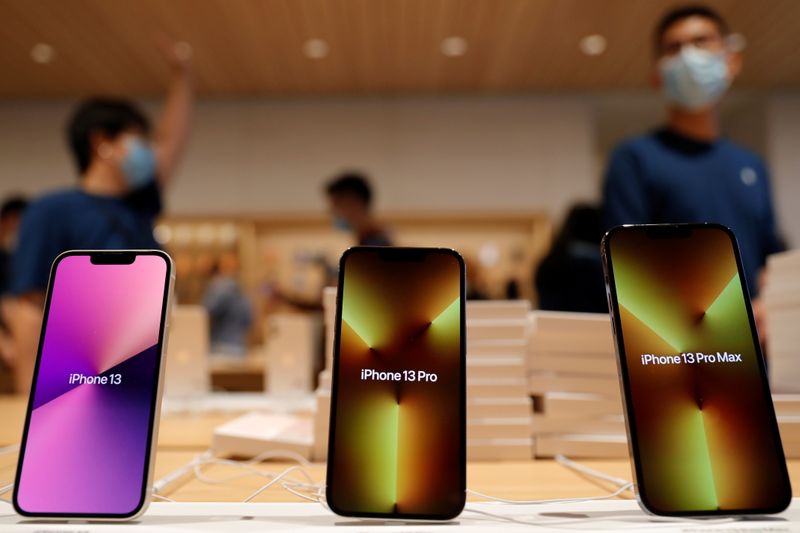
Apple iPhone shipments rose 20% in China in Q1, outperforming the market as overall smartphone shipments fell 4% amid higher memory chip costs and supply chain disruptions. Huawei also grew 2% and held the top spot with a 20% share, while Apple ranked second at 19%. The article also highlights likely second-quarter headwinds as Chinese vendors raise prices further.
Apple is being re-rated less as a handset growth story and more as a relative beneficiary of input-cost inflation. When memory prices rise, the weaker OEMs tend to absorb either margin compression or price hikes that hurt sell-through; Apple can usually pass through pricing with less demand elasticity because its installed base, trade-in ecosystem, and financing channels smooth upgrade decisions. That creates a second-order market-share transfer from mid-tier Android vendors to premium brands even if the overall handset pie keeps shrinking.
The more important implication is that China demand is probably bifurcating rather than simply weakening. If budget Android vendors keep lifting prices to defend margins, they risk a volume-air pocket that can persist for multiple quarters, while Apple’s value proposition becomes relatively stronger despite its absolute price premium. In that setup, the real competitive damage may show up first in component suppliers tied to high-volume Android models, not in Apple’s own unit mix, because OEMs will reduce channel inventory and slow orders before they publicly concede share loss.
Near term, the key catalyst is whether cost inflation remains contained to memory or broadens into other bill of materials lines over the next 1-2 quarters. If it broadens, Apple could eventually face a more meaningful China demand slowdown; if it stays narrow, the current market-share transfer likely extends through the next iPhone refresh cycle. The contrarian risk is that the market is overestimating Apple’s resilience in China just as local subsidies, financing, or a stronger domestic flagship cycle from Huawei narrows the premium gap faster than expected.
The most attractive setup is not a standalone AAPL long, but a relative-value expression versus exposed Android supply-chain beneficiaries. Apple’s upside is steadier than the headline unit data suggests, while the losers are the vendors forced to monetize through higher prices into a price-sensitive market. That makes the trade cleaner if framed around dispersion rather than direction.
AI-powered research, real-time alerts, and portfolio analytics for institutional investors.
Request TrialOverall Sentiment
neutral
Sentiment Score
0.15
Ticker Sentiment
