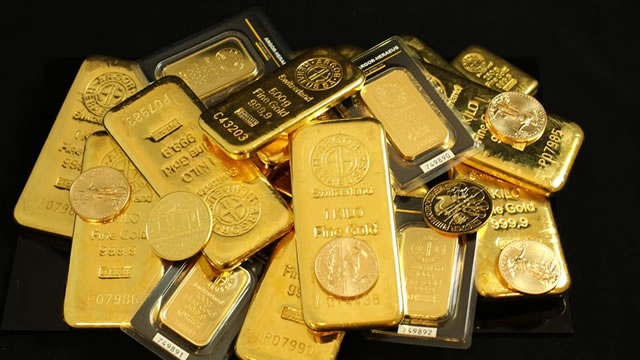
Russia’s central bank reported that state gold reserves fell to $298.99B at end-June, slipping below $300B as total reserve assets declined. The $~1.01B drop in gold value signals ongoing drawdowns and may weigh on perceived liquidity and balance-sheet resilience.
This is less a tradable headline than a signal that Russia’s macro shock absorber is shrinking. The market-relevant mechanism is not the absolute reserve level, but the reduced flexibility to defend the currency, manage import payments, and stabilize domestic liquidity if energy receipts wobble or sanctions enforcement tightens. That raises tail risk for a sharper ruble move and for any local bank or quasi-sovereign balance sheet that depends on the central bank’s backstop.
Second-order effects show up in financing frictions before they show up in default probabilities. If reserve depletion continues for another 1-3 months, expect more administrative controls, more expensive offshore settlement, and tighter working capital for firms exposed to Russia-linked trade corridors in Turkey, UAE, and parts of Asia. That is mildly negative for frontier banks and commodity traders with payment-chain exposure, but the direct equity impact is limited because most investable Russia names remain constrained by sanctions and liquidity.
The contrarian view is that headline reserve levels can overstate vulnerability because Russia still has capital controls, compressed imports, and a current-account buffer that can slow the drain. The thesis breaks if energy prices rebound materially, sanctions tighten less than feared, or the central bank continues to manage FX without visible stress; the key falsifier is not the reserve print itself but a sustained move in the ruble and local funding rates over the next 4-12 weeks.
AI-powered research, real-time alerts, and portfolio analytics for institutional investors.
Overall Sentiment
mildly negative
Sentiment Score
-0.25
Ticker Sentiment
