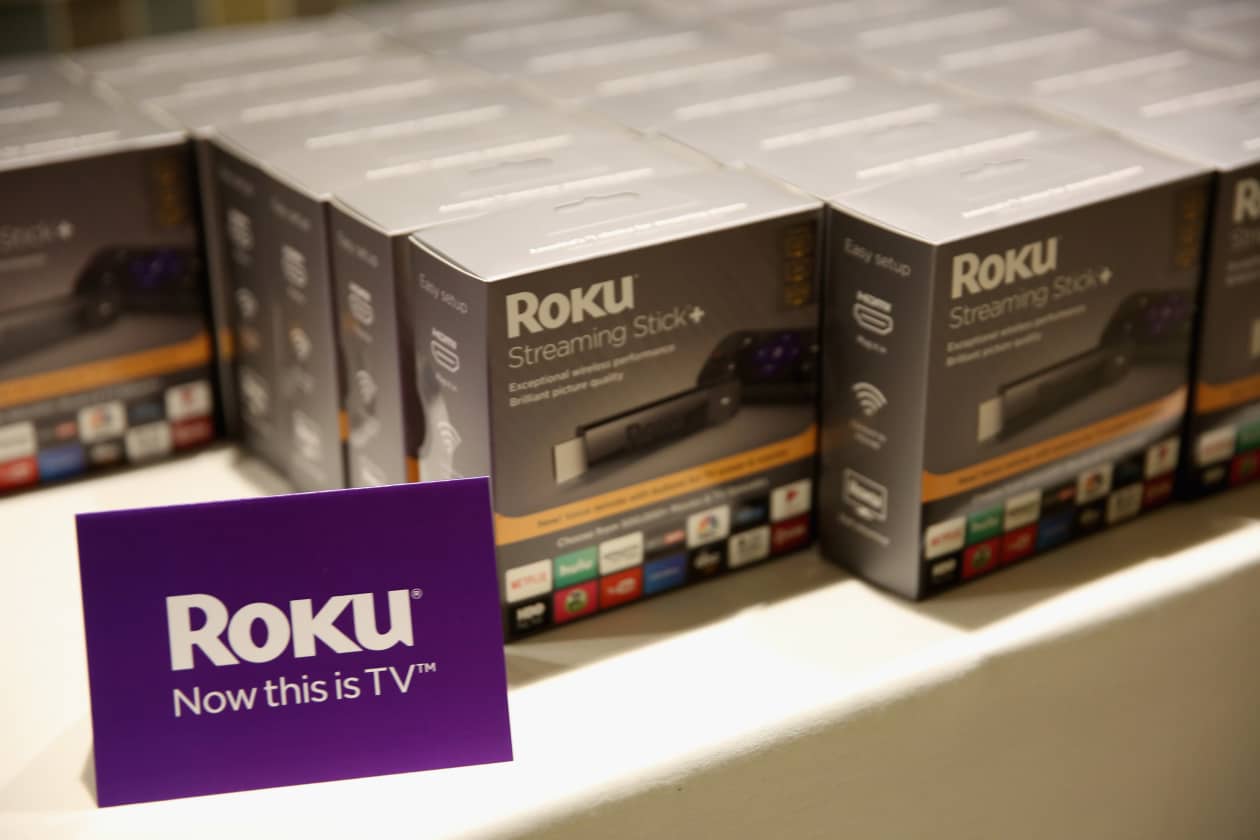
Roku agreed to be acquired by Fox Corp. in a cash-and-stock deal valued at $22 billion, a price that implies an 11% premium. The stock had already surged 20.1% on Friday after Bloomberg reported sale talks, underscoring strong takeover speculation and favorable investor positioning. The deal is material for Roku shareholders and could have broader implications for the streaming and media sector.
This looks less like a standalone company event and more like a mechanical transfer of scarcity value into the rest of media. If Fox is willing to pay up for a platform with direct consumer reach, the market will start re-rating anything that can credibly argue it owns distribution, first-party data, or ad-tech leverage; that is the real second-order move, not the headline premium. The immediate winner is likely the broader “digital media owns audience” basket, while legacy linear assets are pressured to either bid for growth or trade at an even steeper conglomerate discount.
The main risk is not deal completion so much as what happens if the stock becomes a quasi-merger arb after the gap-up. Once implied upside collapses, the easy money from event-driven longs fades quickly and the name can start to behave like a broken deal candidate if spread widening, antitrust chatter, or financing-market volatility forces re-trading. In the next 2-6 weeks, the most likely reversal trigger is not fundamentals but position unwinds from event funds and momentum accounts that chased the first leg.
The contrarian view is that the market may be over-anchoring to strategic scarcity and underestimating how disciplined the buyer is likely to be post-close. A cash-and-stock structure means the bidder is preserving flexibility, which often signals that synergy capture and valuation discipline matter as much as strategic intent; that usually caps further upside in the target and can pressure peers that hoped for a broader bidding war. If this is a one-off rather than the start of a consolidation wave, the industry read-through could fade quickly and leave late longs holding a richly repriced asset with less optionality than the market assumes.
AI-powered research, real-time alerts, and portfolio analytics for institutional investors.
Overall Sentiment
strongly positive
Sentiment Score
0.70
Ticker Sentiment
