

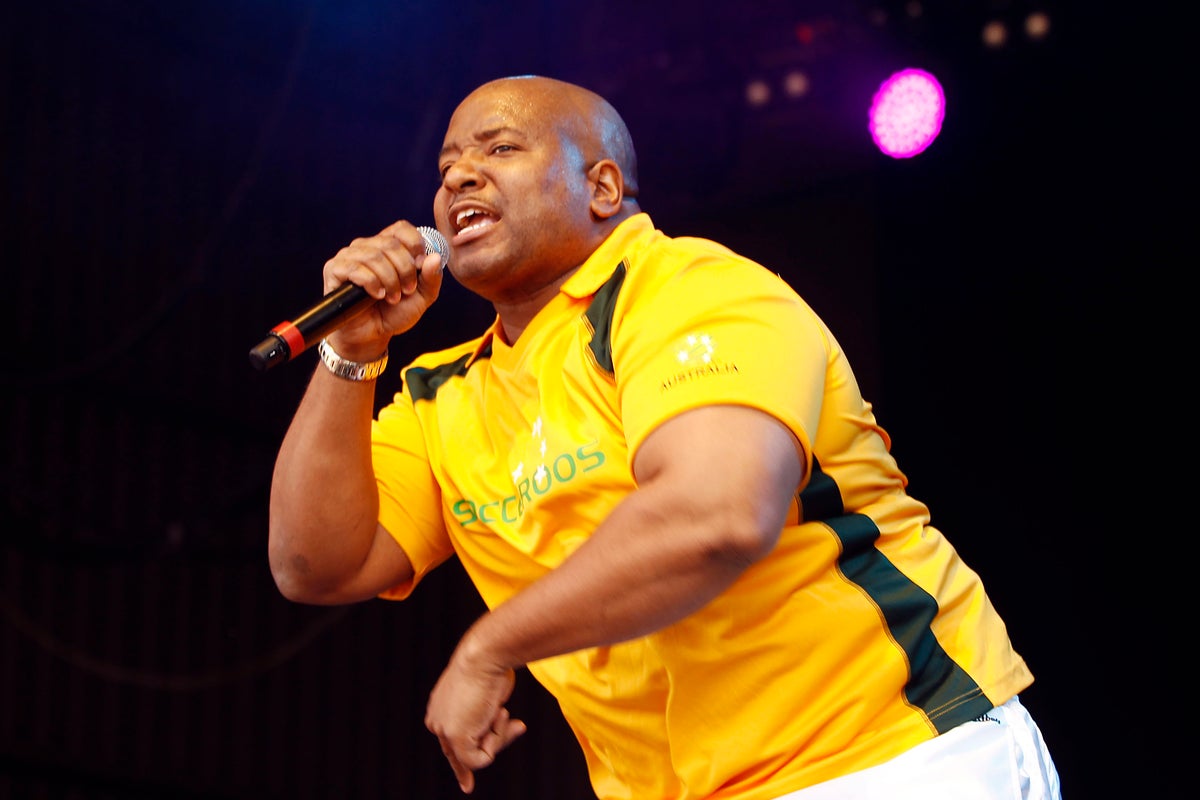
Within one day of the Great American State Fair lineup announcement, two artists — Young MC and Morris Day — publicly said they will not perform, citing the event’s Trump-linked political ties. The fair is part of the 250th U.S. anniversary celebration and is being organized by Freedom 250, a public-private partnership established by President Donald Trump. The article also highlights scrutiny over Freedom 250’s funding and nonprofit structure, but the direct market implications appear limited.
The immediate market read is not about event optics; it is about sponsor-quality risk for Oracle, Palantir, and Lockheed as “public-private” branding becomes a liability when political affiliation is visible. The first-order damage is reputational, but the second-order effect is tighter procurement scrutiny: any company perceived as underwriting partisan access can face longer sales cycles, more aggressive congressional questioning, and higher compliance drag across government-facing accounts. That matters most for PLTR and LMT, where the government customer is strategically important and narrative-sensitive.
The bigger risk is not this one event failing — it is a template for future activist pressure campaigns that can make enterprise and talent partners reluctant to attach themselves to branded civic initiatives. For ORCL, which is already sensitive to trust and enterprise reputation, repeated headlines can worsen discount rates around its public-sector cloud push, even if fundamentals are unchanged. For PLTR, the issue is asymmetric: the stock can absorb controversy better than revenue, but its valuation premium leaves less room for governance overhangs to persist without multiple compression.
There is also a financing/sovereign-brand angle. If donors and contractors are seen as gaining access or influence through the initiative, watchdog scrutiny could extend from media noise into document requests, hearings, and bid reviews over the next 1-3 months. That raises the probability of delayed awards or more conservative agency behavior, especially around discretionary or politically visible contracts, which would most affect firms with expanding federal pipelines.
The contrarian view is that this may be a short-lived brand flare-up rather than a durable fundamental issue. If the organizers rapidly replace acts and de-politicize messaging, the market may conclude the incident has no earnings relevance, creating a dip-buy opportunity in the underlying names. The key tell will be whether the controversy stays in culture-media channels or starts showing up in procurement, campaign finance, or oversight headlines.
AI-powered research, real-time alerts, and portfolio analytics for institutional investors.
Request TrialOverall Sentiment
mildly negative
Sentiment Score
-0.15
Ticker Sentiment
