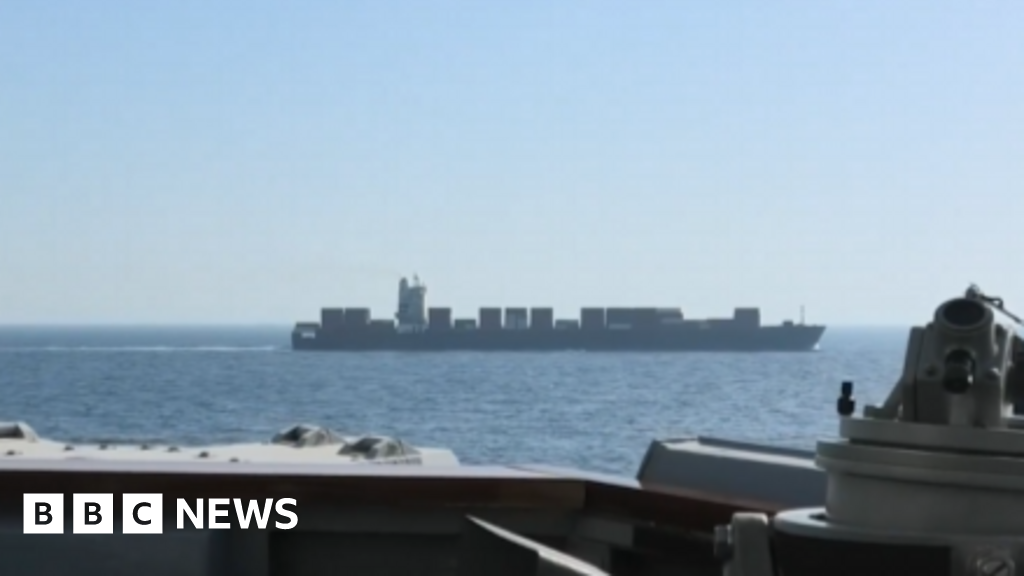
The US says it seized the Iranian-flagged cargo ship TOUSKA after it ignored a Navy warning, escalating tensions amid an ongoing US naval blockade of Iranian ports. The Strait of Hormuz remains closed, threatening a route that normally carries about 20% of global oil and LNG flows and helping drive energy prices higher. Talks between the US and Iran remain uncertain, with Tehran disputing that a second round is confirmed and Iran saying the blockade is blocking negotiations.
This is a classic escalation regime where the first-order shock is oil and freight, but the more durable effect is optionality destruction across every negotiation channel. A physical interdiction of a tanker/cargo vessel shifts market pricing from “diplomatic risk premium” to “rules-of-the-road breakdown,” which tends to widen shipping insurance, delay chartering decisions, and force inventories higher in the region within days. The market should treat this as a volatility event with a real chance of remaining sticky for weeks if either side keeps using maritime pressure as leverage.
The biggest second-order winner is not just crude producers, but anyone with hard infrastructure and domestic supply optionality: US upstream, pipelines, LNG export-linked assets, and select defense names with maritime ISR and missile defense exposure. The biggest loser is Asia-sensitive transportation and chemicals because they are exposed to both higher feedstock costs and route disruption; that usually shows up first in refined-product cracks, then in industrial margins, then in airline and logistics guidance. If Hormuz remains impaired beyond a few trading sessions, expect working-capital stress to rise as importers pre-buy cargoes and add buffer inventory, which can amplify the oil spike even if the physical outage is partial.
The contrarian point is that the move may be overpricing a full closure while underpricing a negotiated de-escalation. The US has strong incentive to create a coercive headline while keeping escalation controllable, and Iran has incentive to signal resolve without permanently choking its own export optionality and regional relationships. That means the highest-probability path may be a sharp gap wider in energy volatility with a mean-reversion setup once a second diplomatic channel or face-saving maritime arrangement appears.
For timing, the next 48-72 hours matter most for crude, tanker rates, and defense-linked names; the next 2-6 weeks matter for earnings revisions and supply chain pass-through. If there is no confirmed reopening of safe transit or credible talks, the market should assume higher persistent premiums rather than a one-day spike.
AI-powered research, real-time alerts, and portfolio analytics for institutional investors.
Request DemoOverall Sentiment
strongly negative
Sentiment Score
-0.55
