

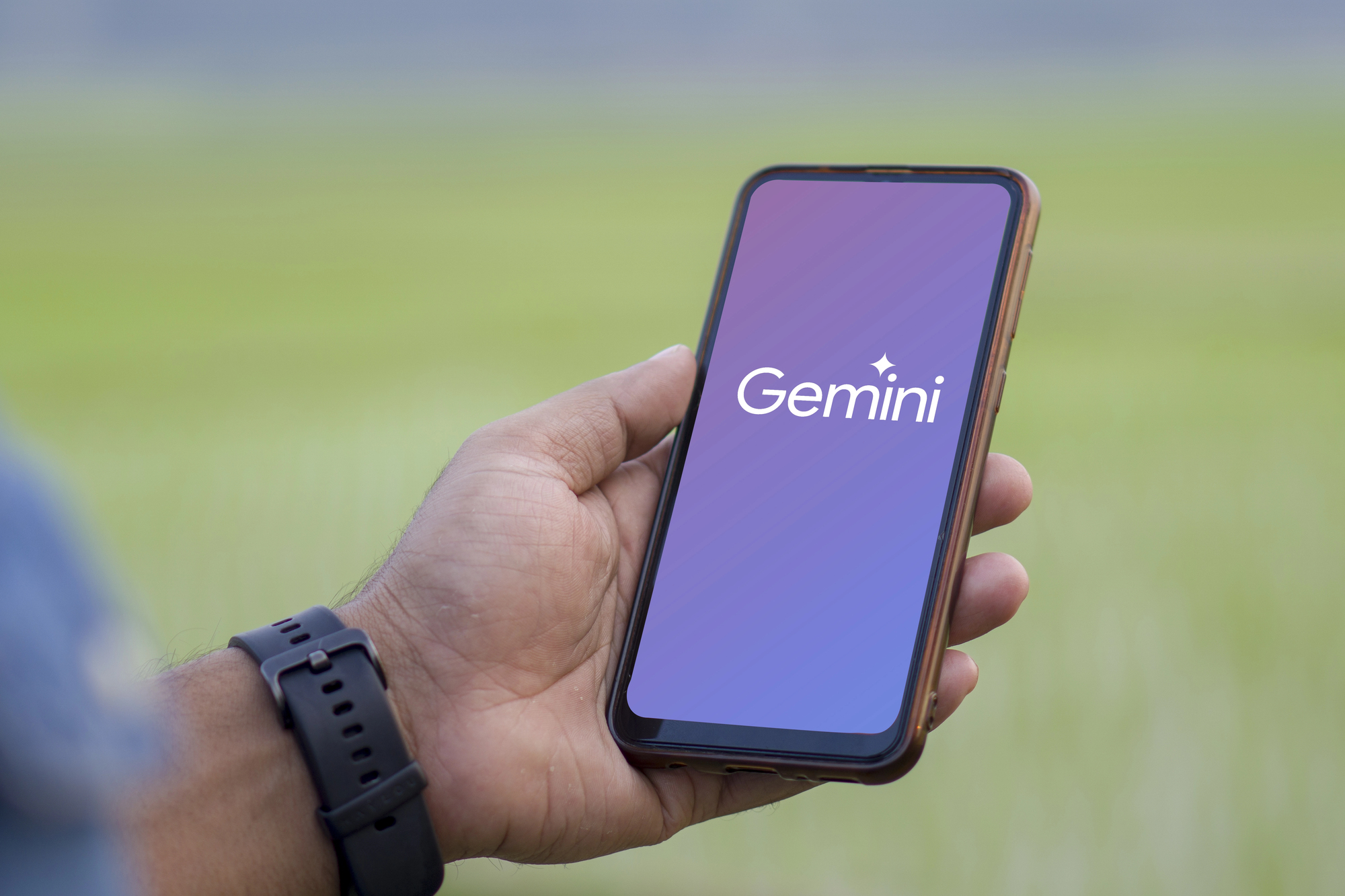
Google’s new Personalized Intelligence feature is now available to Ukrainian users on an opt-in basis, with separate voluntary connections for Gmail, Photos, YouTube, and search history. The article highlights privacy risks: Gemini may take several days to reflect deleted data, and conversations can still be retained for up to 72 hours even if activity saving is disabled. The piece is mostly explanatory, with limited immediate market impact, though it underscores rising scrutiny around AI data access and user consent.
This is less a product update than a structural shift in Google’s data moat: the company is turning stale, high-friction consumer exhaust into a high-frequency personalization layer. The second-order effect is not just better answers, but materially higher switching costs, because the model’s utility improves with breadth of connected history while the user’s willingness to disentangle rises only after a privacy event. That creates a classic asymmetry: modest near-term engagement upside versus a much larger left-tail reputational risk if one disclosure cycle, retention bug, or unauthorized-access incident becomes widely publicized.
The market may be underpricing the difference between “opt-in” and “default-on” in practice. Even where connection is voluntary, the product architecture normalizes broader permissions over time, which likely boosts attach rates and thus the data flywheel; however, that also increases enterprise and regulator scrutiny around retention windows, human review, and deletion latency. For Google, the operating risk is not just fines — it’s a gradual erosion of trust in the core consumer ecosystem, which could pressure Search/YouTube usage quality at the margin if users start throttling permissions or compartmentalizing accounts.
Microsoft is the cleaner beneficiary on the competitive side if this theme extends to cross-app agents, because Copilot can lean into enterprise controls and admin-managed permissions rather than consumer trust. The key contrast is that Google is monetizing personal context that already exists, while Microsoft can package similar capabilities behind corporate governance; that should support relative multiple resilience for MSFT if privacy headlines intensify. On the downside, both names face a rising compliance burden, but Google is more exposed to a single consumer-data incident becoming a brand issue rather than an isolated product bug.
Consensus likely underestimates the time lag between policy and behavior: the first-order headline is opt-in, but the second-order issue is retention, delayed sync, and reviewer access, which can keep controversy alive for weeks after a user thinks they have disconnected. The near-term catalyst path is binary: clean launch plus transparent handling would validate the feature and expand paid adoption over the next 1-2 quarters; a documented mishandling event would likely trigger rapid opt-outs and invite renewed EU-style scrutiny within days. That makes the risk/reward skew better for relative longs in MSFT versus GOOGL until Google proves the trust layer can scale with the product.
AI-powered research, real-time alerts, and portfolio analytics for institutional investors.
Request TrialOverall Sentiment
neutral
Sentiment Score
-0.05
Ticker Sentiment
