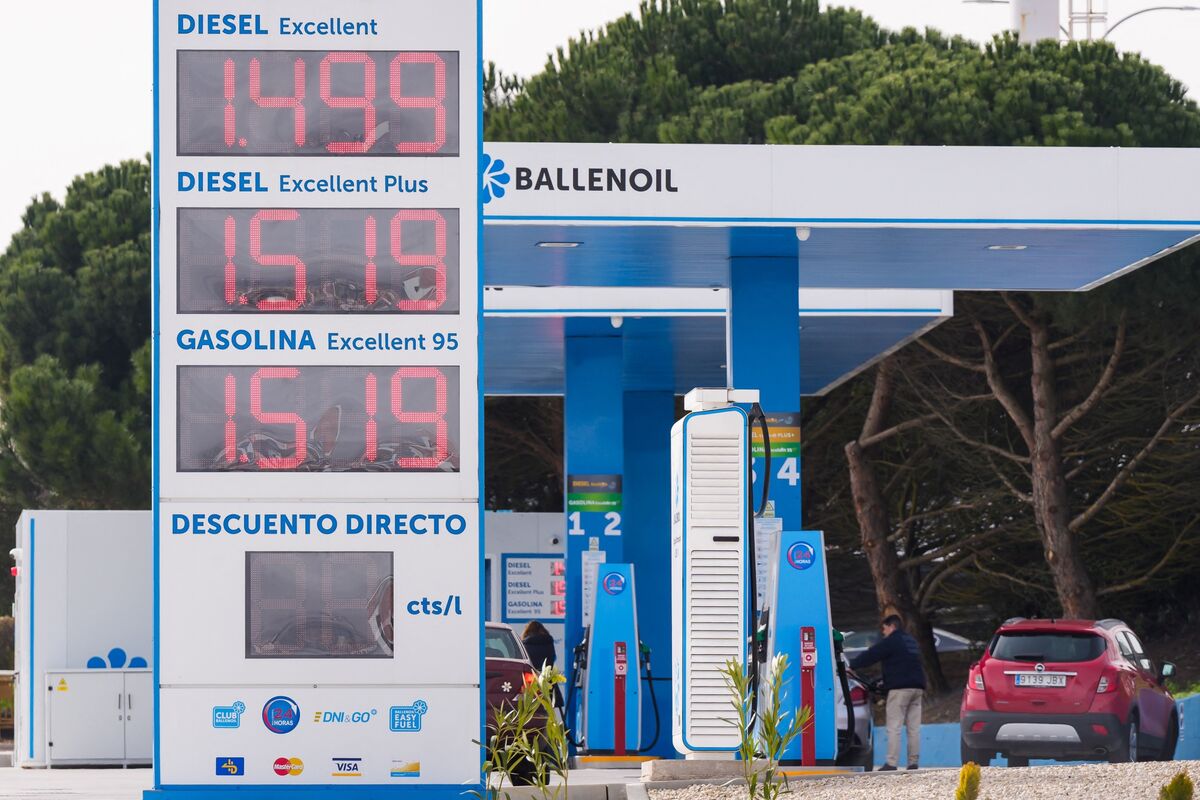
Spain will cut VAT on gasoline and diesel to 10% from 21%, reduce a 5% special tax on electricity and scrap a 7% tax on power generators as part of an economic relief package tied to higher energy prices from the Middle East war. The measures should lower consumer fuel and power bills and support energy-intensive activity, while weighing on government tax receipts.
Lowering the effective tax burden on household energy bills is an immediate, high-velocity demand stimulus that feeds into consumption within 1–3 months rather than years. Order‑of‑magnitude math: per‑household cash gains are likely single‑digit to low‑double‑digit euros per week, which aggregated across Spain implies a measurable bump to retail and services activity (think +0.1–0.3% GDP contribution over a rolling 3–6 month window if sustained). The fastest beneficiaries will be road‑transport intensive sectors—trucking, local logistics and convenience retail—because their unit operating costs decline immediately and margins reprice quickly versus producers with longer contract lags.
On the corporate side, the net profit impact will be heterogenous: large, vertically integrated power generators should see near‑term EBIT uplift through lower tax drag on merchant sales, while purely retail electricity sellers will face margin pressure from lower final prices but benefit from higher volumes and lower bad‑debt risk. A subtle supply‑chain effect: lower fuel differentials reduce cross‑border “fuel tourism” and normalize margins for inland distributors, compressing regional arbitrage opportunities that specialty fuel retailers and border forecourts currently exploit.
Main risks and time horizons are asymmetric. In days–weeks, bond markets will price fiscal slippage: a mid‑single‑billion annual fiscal cost could push 10y sovereign spreads wider by 10–30bps if markets doubt offsetting measures. Over 3–12 months, the bigger reversal catalyst is either a drop in global oil (which neutralizes much of the consumer gain) or EU/ECB pushback that forces re‑phasing of measures — both would flip the winners list. Monitor oil, ECB communication, and monthly retail sales as high‑frequency readouts of policy transmission.
AI-powered research, real-time alerts, and portfolio analytics for institutional investors.
Request DemoOverall Sentiment
neutral
Sentiment Score
0.05
