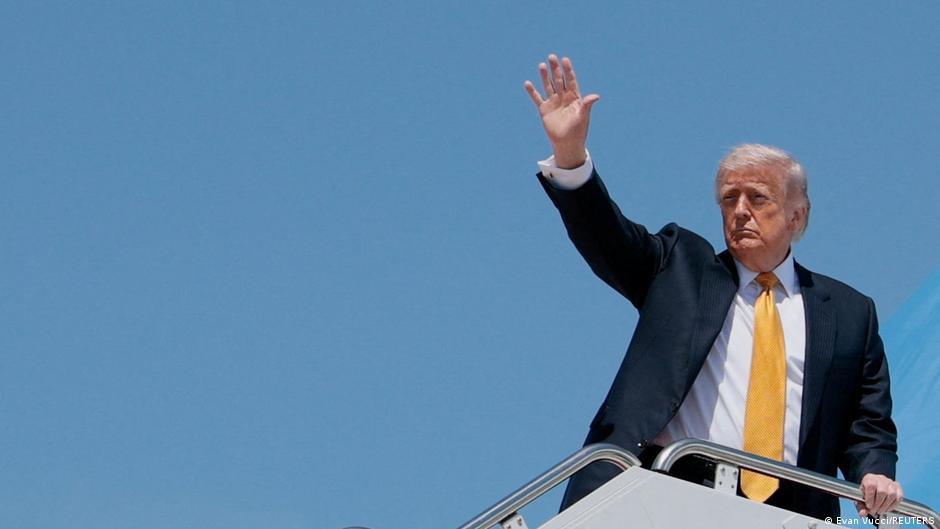
Trump and Xi are meeting in Beijing for high-stakes talks covering trade, tariffs, Taiwan, rare earths, and China’s AI/tech access, with Trump saying he will press Xi to "open up" China to US business. The summit follows prior concessions in 2025, including a trade truce extension, lower US tariffs tied to fentanyl cooperation, and China’s delayed rare-earth export controls. Markets will focus on any shift in tariffs, export controls, or Taiwan policy that could affect supply chains and global risk sentiment.
The market’s first read should be that this is less a tariff-surge event than a sequencing event: headline risk is high, but the actual summit outcome is more likely to be incremental stabilization than a clean breakthrough. That favors the most China-exposed U.S. winners first, especially names where access, licensing, or procurement decisions can swing near-term revenue visibility more than macro demand does. In practice, NVDA and AAPL have the cleanest optionality if Beijing signals even a modest thaw on advanced-tech access or consumer device channels, while META and GS benefit more from a softening in regulatory tone than from any direct trade concession.
The second-order risk is that any “open up” rhetoric from Washington increases Beijing’s incentive to respond asymmetrically: not by broad market liberalization, but by selective procurement or licensing gestures that look positive on the surface while preserving control over strategic sectors. That creates a classic sell-the-news setup for cyclicals like BA and GE if the market prices broad industrial opening without evidence of actual order conversion. TSLA is a special case: it is levered to China demand, but also uniquely vulnerable to any escalation around Taiwan or export controls that disrupt battery, chip, or autonomy supply chains.
The more interesting contrarian angle is that the meeting may be more bullish for China-adjacent U.S. multinationals than for pure China beta. If both sides need a face-saving de-escalation, the first tangible outputs are likely exemptions, permitting, and implementation delays, which disproportionately help companies with existing footprints and compliance sophistication. That argues for relative-value trades rather than outright index longs, because the broad tape could remain range-bound even as individual names re-rate on reduced policy tail risk.
AI-powered research, real-time alerts, and portfolio analytics for institutional investors.
Request DemoOverall Sentiment
neutral
Sentiment Score
-0.05
Ticker Sentiment
