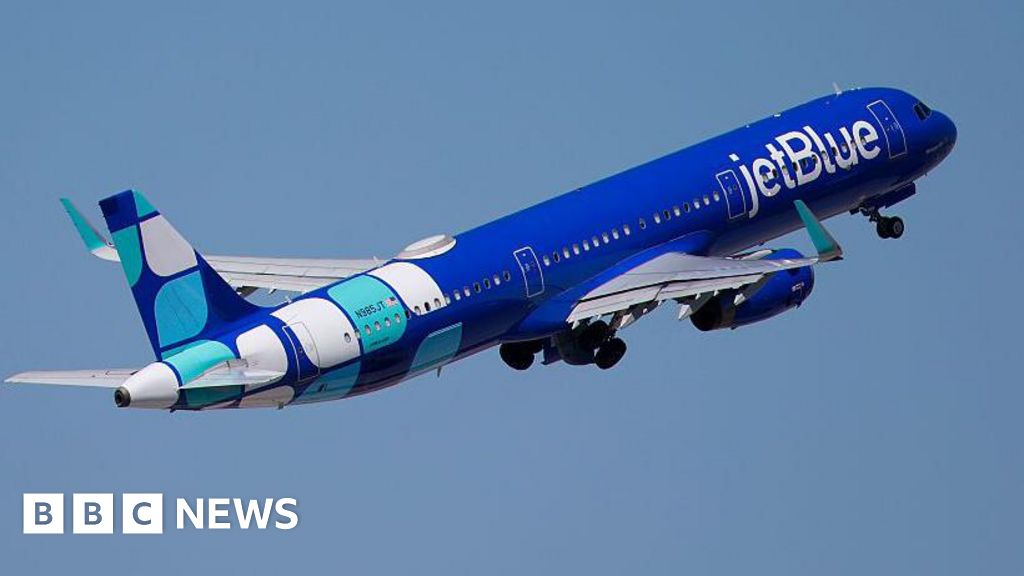
A JetBlue Airways pilot reported striking a drone while on approach to JFK at nearly 3,000 ft around 07:15 EDT, but the aircraft landed safely and a post-flight inspection found no damage. The FAA has opened an investigation and reiterated that unauthorized drone operations near airports can trigger stiff fines and criminal charges. The incident adds to a growing pattern of drone-aircraft near misses, but immediate market impact appears limited.
This is a headline-risk event more than a balance-sheet event for JBLU or UAL, but the second-order effect is real: repeated drone incursions around constrained NYC airspace raise the probability of operational pauses, ATC holds, and inspection-driven aircraft rotations that disproportionately hit short-haul carriers with tight utilization. The near-term P&L risk is not direct damage; it is schedule disruption, aircraft downtime, and passenger confidence erosion that can leak into unit revenue if the market starts pricing a higher perceived disruption rate at JFK/EWR.
The bigger beneficiary may be the regulatory and counter-UAS ecosystem rather than airlines. Every additional near-miss increases the odds of faster FAA detection mandates, airport perimeter monitoring spend, and procurement by airports/municipalities for drone detection and mitigation systems, which is a multi-year theme. For airlines, the most vulnerable setup is during peak travel windows when even a brief airspace restriction can cascade into missed banked connections and reaccommodation costs.
Contrarian view: the market may overreact to the symbolism while underpricing the low immediate operating impact. If inspections continue to show no damage, the stock-level effect should fade quickly unless there is a confirmed injury, aircraft grounding, or a temporary JFK slot restriction. That creates a trading setup where any initial weakness in JBLU/UAL is likely a fade over days, but the medium-term signal remains bearish for traffic reliability if drone incidents cluster and move from anecdotal to systemic.
From a risk lens, the key catalyst is not this single event but the next one that produces visible operational fallout; that is what would shift this from noise to a valuation issue. Time horizon matters: the next 1-5 sessions are about sentiment and headline beta, while the next 3-12 months are about whether FAA enforcement evolves into costly compliance burdens and airport-side capex. If the issue stays confined to reports without service interruption, the trade thesis decays quickly; if not, the market will start attaching a small but persistent disruption discount to high-density coastal hub exposure.
AI-powered research, real-time alerts, and portfolio analytics for institutional investors.
Request DemoOverall Sentiment
neutral
Sentiment Score
-0.05
Ticker Sentiment
