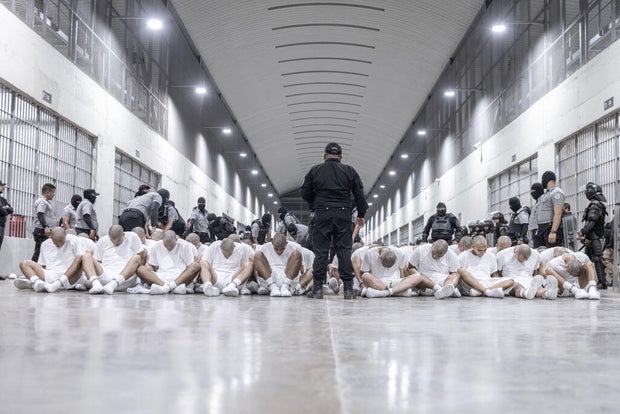
The year-end roundup highlights heightened political and security risk: Donald Trump was inaugurated as the 47th president, off-year elections saw Democrats sweep most competitive races, and the longest U.S. government shutdown ended. Major law-and-order and geopolitical developments included the deportation of nearly 280 migrants under contentious legal authority with subsequent judge orders, multiple judicial blocks on National Guard deployments, an Israel–Hamas ceasefire and release of the remaining 20 living hostages, and high-profile violent incidents (a campus assassination, deadly Australian terrorist attack killing 15, and catastrophic Central Texas floods that killed at least 135 including 27 campers). These events point to increased political and legal uncertainty, elevated security and humanitarian risks, and potential policy shifts that warrant a modestly precautionary positioning across political-sensitive assets and exposures.
Market structure is shifting toward security, disaster-recovery and reinsurance winners and away from loss-exposed P&C insurers and discretionary travel/airlines. Expect defense contractors (LMT, NOC, RTX) to see procurement tailwinds — model a 3–7% on-year revenue uplift across prime defense vendors over 12–24 months if administrations prioritize domestic security and Israeli conflict risk remains elevated. Infrastructure and heavy equipment (CAT, VMC) are secondary beneficiaries from recurring rebuild cycles after floods; municipal contractors should see a 6–18 month revenue tail from federal/state aid.
Risk profile is skewed to event-driven tail outcomes: large catastrophe clusters (> $25–50bn insured losses) or a geopolitical escalation (oil +$10–$25/bbl shock) would sharply reprice insurers and commodities. Near-term (days–weeks) expect volatility spikes and credit spread widening; medium-term (3–12 months) see earnings hits for insurers and funding pressure on fiscals; long-term (2+ years) the fiscal mix could push yields higher by 50–150bp if deficit-financed spending accelerates. Hidden dependencies include reinsurance capacity, Treasury issuance schedules, and state-level disaster funding bottlenecks.
Trade implications: favor concentrated longs in reinsurance (RNR, RE) and prime defense (LMT) with hedges; short or underweight large-cap P&C carriers (TRV, ALL) and commercial leisure/airlines (AAL, UAL) that face demand elasticity and litigation/policy risk. Use options to buy protection (3–6 month puts on insurers) and tactical volatility plays (1-month VIX call spreads) ahead of legal/political catalysts. Entry: stage 50% now, 50% on a 10–20% drawdown; target 6–18 month holding periods.
Contrarian view: consensus risk-off may overpay for generic safe havens (bonds, mega-tech) while undervaluing regional contractors and niche reinsurers—look for small-cap contractors (VMC) and select specialty reinsurers after 20–35% sector-wide selloffs. Historical parallels: post-2001/2003 security cycles show multi-year outperformance for prime defense and reinsurance; however, unintended consequences — higher rates and crowding-out of civilian capex — could punish rate-sensitive growth names unexpectedly.
AI-powered research, real-time alerts, and portfolio analytics for institutional investors.
Request DemoOverall Sentiment
moderately negative
Sentiment Score
-0.60
