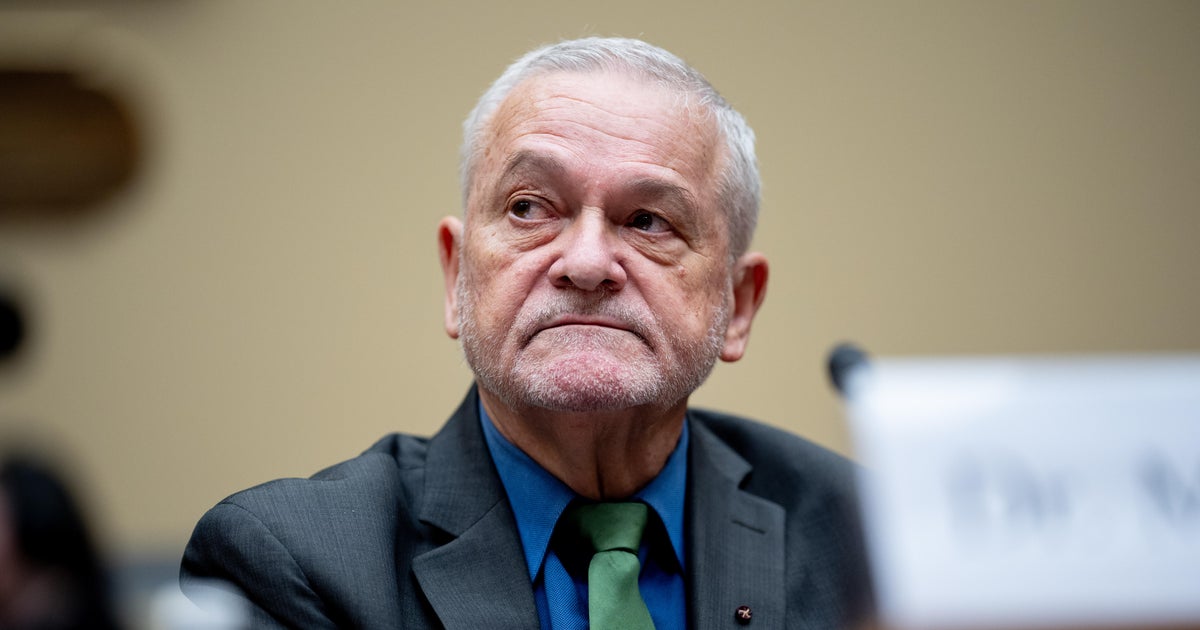
Former NIAID adviser Dr. David Morens was indicted on five counts, including conspiracy, destruction of records in federal investigations, and concealment of records, over an alleged effort to hide COVID-19-related federal records. Prosecutors say the scheme involved personal Gmail use, FOIA evasion, and coordination with EcoHealth Alliance-linked parties, with allegations of gifts and improper official acts. The case is politically sensitive and may reinforce scrutiny of pandemic-era conduct, but direct market impact is likely limited.
This is not a broad biotech selloff catalyst; it is a governance-overhang event that selectively raises the political cost of any company or nonprofit with historical COVID-era grant, lab-origin, or FOIA-adjacent exposure. The immediate market impact is likely to show up in litigation risk premia rather than fundamentals, but that still matters for names where federal funding, NIH contracting, or congressional scrutiny are part of the equity story. The second-order winner is the plaintiff/investigative ecosystem: legal services, document management, and compliance vendors see more demand whenever records-retention and transparency failures become a headline issue.
The real downside is reputational contagion to the broader biotech policy complex. Even firms with no direct link to this case can face longer grant review cycles, more defensive disclosure language, and a higher probability of subpoenas or congressional letters if they have any pandemic-era collaborations, foreign subawards, or academic partnerships. That can compress multiples for research-heavy small/mid-cap life science names that rely on benign regulator relations and continual NIH funding, especially over the next 3-9 months as the political cycle keeps the issue alive.
The contrarian angle is that the event may ultimately be more useful to agencies than destructive to them: to restore credibility, NIH/NIAID may respond with tighter recordkeeping, stronger compliance language, and more explicit boundaries around personal-email use. That is bearish for discretion but bullish for operational process vendors and big platform companies that can absorb added compliance cost better than smaller peers. The overdone risk is assuming this becomes a sector-wide funding freeze; the more probable outcome is selective scrutiny, headline volatility, and a modest but persistent discount on any name with legacy COVID provenance.
AI-powered research, real-time alerts, and portfolio analytics for institutional investors.
Request DemoOverall Sentiment
strongly negative
Sentiment Score
-0.55
