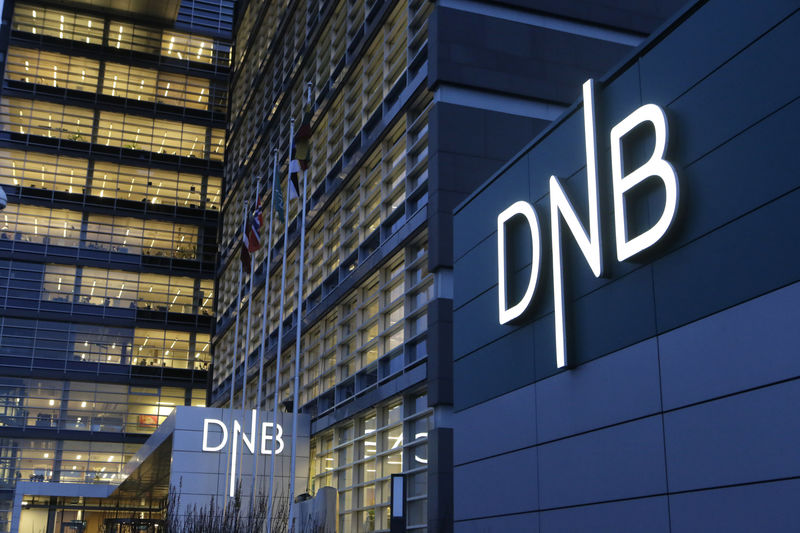
Barclays revised ratings across Nordic banks: upgraded DNB to overweight (PT NOK339 from NOK298), kept Danske overweight (PT DKK376 from DKK360), downgraded Svenska Handelsbanken to underweight (PT SEK110 from SEK132), cut SEB to equal weight (PT SEK171 from SEK200), raised Swedbank to equal weight (PT SEK303 from SEK289), and left Nordea underweight (PT €12.9). Barclays notes Nordic bank P/E multiples have re-rated +6% YTD versus a -3% de-rating for EU banks and states its FY26-28 EPS estimates are +4–8% vs consensus for DNB, +4–10% for Danske, -2–5% for Handelsbanken and -3–5% for Nordea. The note highlights structural headwinds in Sweden—constrained loan growth, deposit margin pressure (Nordic savings deposit spreads ~1.68% vs ~37bps Swedish mortgage margins), weaker fee income—and assumes two 25bp ECB hikes and one 25bp Riksbank hike in 2026, which Barclays says would be P/L positive for Nordic banks except DNB.
Nordic bank dispersion is being driven more by business-model exposure and funding architecture than by headline macro. Banks with a high share of retail savings and mortgage lending have much lower elasticity of NII to policy moves — they need either higher nominal rates or a structural repricing of deposit products to meaningfully lift returns, which is a multi-quarter to multi-year process.
A rapid accumulation of household savings and constrained domestic loan growth are forcing incumbents into fee-seeking and wholesale funding strategies; that increases reliance on capital markets and makes institutions with weaker funding franchises second-order victims when geopolitical risk or cross-border spread shocks hit. Expect covered-bond issuance, longer-term wholesale programmes, and more aggressive wealth-management pushes to rise as margins compress.
Key catalysts that will re-rate the group are not just central-bank paths but also funding spread moves, mortgage policy interventions, and any widening in corporate credit stress that reveals asset-quality sensitivity among highly leveraged borrowers. In the near term (days–weeks) headlines and broker repricings will drive price dispersion; fundamental recovery requires 3–12 months of visible deposit repricing or demonstrable fee-revenue growth.
This creates clear asymmetries: structurally stronger balance sheets with flexible deposit pricing will capture upside if rates normalize, while legacy, branch-heavy Swedish franchises face persistent RoE underperformance and higher optionality value (asset sales, capital raises, or consolidation) over 12–36 months.
AI-powered research, real-time alerts, and portfolio analytics for institutional investors.
Request DemoOverall Sentiment
neutral
Sentiment Score
0.00
Ticker Sentiment
