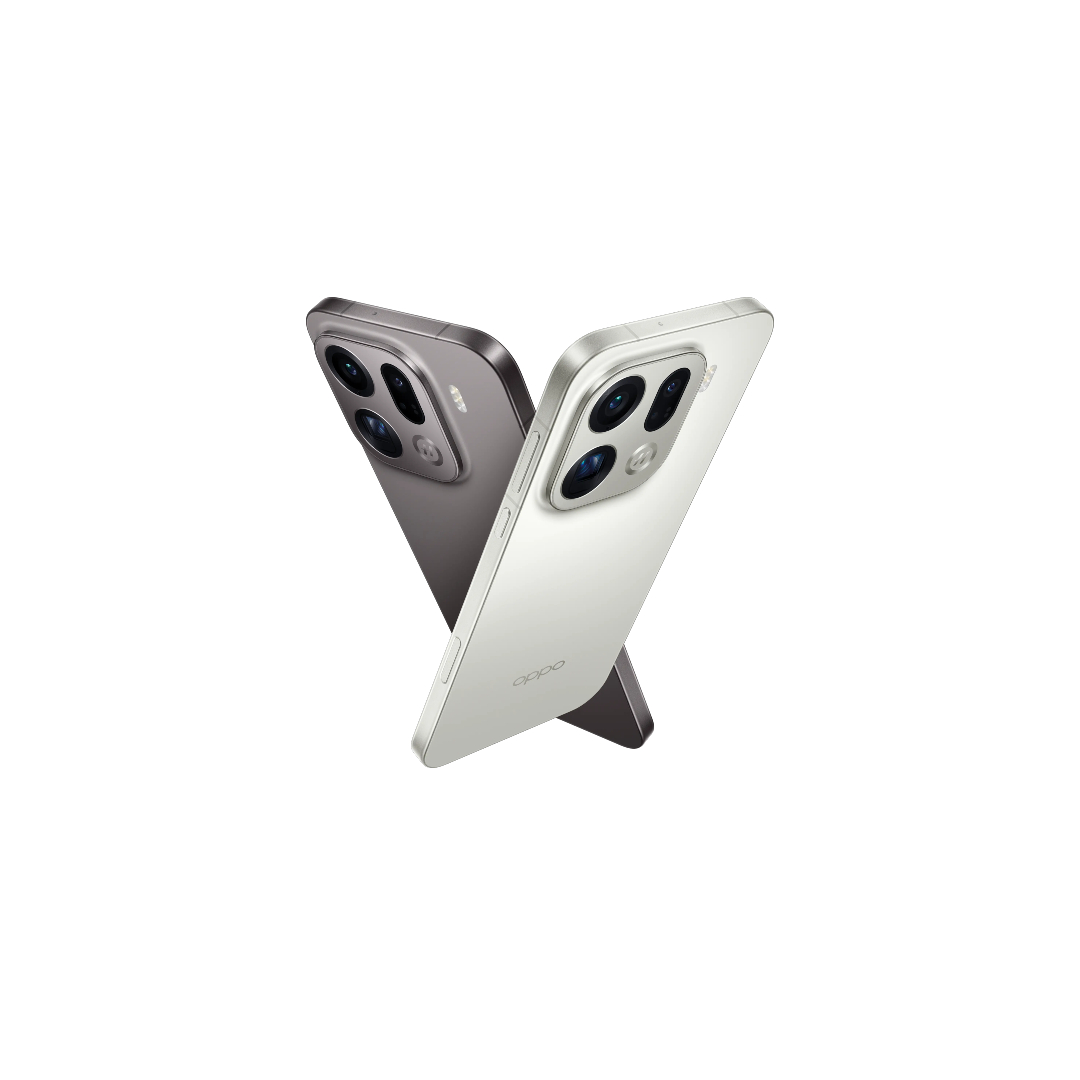
Samsung’s Galaxy S26 Ultra launches at a $1,299 starting price, but the article argues it is outclassed in key areas by OPPO’s Find X9 Pro, especially cameras, battery life, and overall reliability. The S26 Ultra’s standout new Privacy Display feature is noted, but the piece says it is not enough to justify the premium versus a cheaper rival. The biggest criticisms are Samsung’s 5,000mAh battery ceiling and occasional shutter lag/dynamic-range inconsistencies compared with OPPO’s more consistent performance.
The competitive message is less about one handset and more about category-level fatigue in premium Android. When a lower-priced device is perceived as better on the core purchase drivers, pricing power at the top end starts to erode, which is especially dangerous for vendors whose mix relies on flagship halo economics. The second-order risk is that premium buyers delay upgrades, stretching replacement cycles and compressing unit growth even if headline demand looks stable.
The most important strategic implication is that differentiation is shifting from specs to experience consistency. Camera reliability, battery endurance, thermals, and software coherence are now the true decision stack; that favors vendors that can convert component advantages into repeatable outcomes rather than one-off benchmark wins. It also raises the bar for chip, battery, and image-processing suppliers, because OEMs will increasingly demand integrated tuning rather than discrete hardware upgrades.
For Samsung, the issue is not near-term sell-through alone but narrative damage: if the flagship is seen as “catch-up,” it weakens cross-sell into tablets, wearables, and ecosystem services over the next 2-4 quarters. For OPPO, the opportunity is share gain in affluent Android cohorts and creator-heavy users, but support/software gaps remain a real ceiling. The contrarian view is that the market may overestimate how much a feature-comparison article moves actual demand; brand, carrier distribution, and trade-in economics still dominate purchase behavior in the U.S. and Europe, so the valuation impact may be more gradual than the enthusiast discourse suggests.
AI-powered research, real-time alerts, and portfolio analytics for institutional investors.
Overall Sentiment
mildly positive
Sentiment Score
0.15
