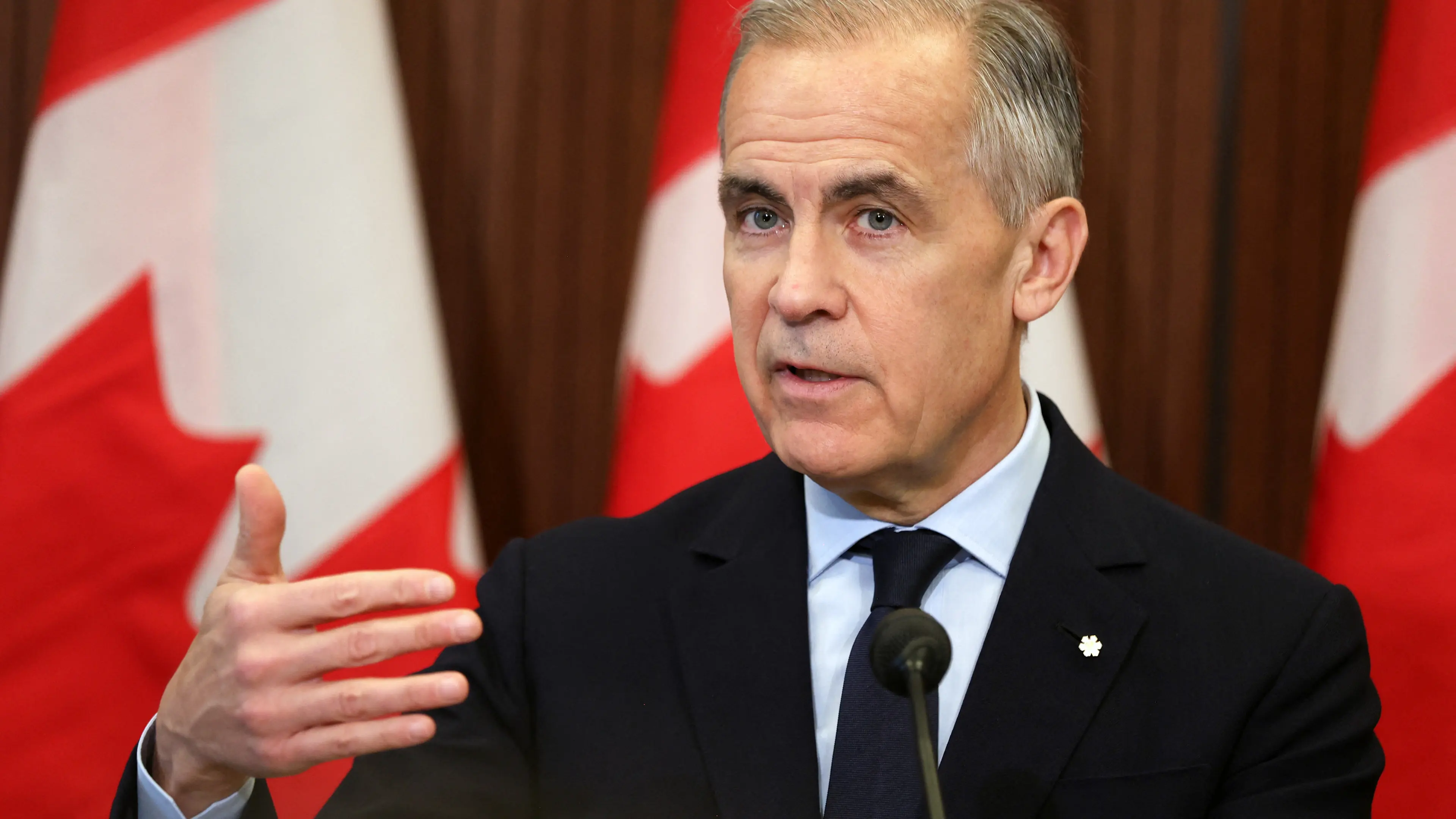
Alberta will add a referendum question in October on whether the province should remain in Canada or begin the legal process toward a binding separation vote, after separatist and pro-Canada petitions drew more than 300,000 and 400,000 signatures, respectively. Prime Minister Mark Carney and Internal Trade Minister Dominic LeBlanc emphasized federal unity, while Premier Danielle Smith said she will appeal a court ruling that had blocked the separatist petition. The story is politically important but does not imply an immediate direct market move beyond heightened policy and Canada-U.S. trade uncertainty.
The immediate market read is not about Alberta seceding; it’s about the probability that Ottawa is forced into a more explicit fiscal and constitutional bargain with resource provinces. That is incrementally supportive for Canadian oil and gas because it reduces the odds of punitive federal policy over the next 3-6 months, especially around pipeline approvals, carbon policy sequencing, and royalty rhetoric. The bigger second-order effect is on discount rates: the longer this drags, the more risk premia widen for assets exposed to Alberta’s policy uncertainty, while domestic banks and utilities remain comparatively insulated.
The market is likely underestimating how quickly this becomes a corporate treasury and capex issue even without legal secession. If referendum momentum persists, we should expect more board-level “Canada optionality” discussions from Alberta-domiciled issuers: location of head office, tax domicile, legal structuring, and counterparty clauses in midstream contracts. That creates a subtle winner/loser split — producers with global sales exposure and flexible export routes should outperform purely domestic names, while local infrastructure and provincial service firms face headline volatility without fundamental impairment.
The contrarian view is that this is more bargaining leverage than actual separation risk. Because the referendum is a political signal rather than a near-term legal trigger, the current pricing of tail risk may be too high for long-horizon investors but too low for event-driven traders. The key catalyst window is the next 4-8 weeks: if courts slow the process or the federal government offers concessions, the volatility premium should collapse quickly; if not, the issue can linger into the fall and keep a lid on multiple expansion for Alberta-linked assets.
AI-powered research, real-time alerts, and portfolio analytics for institutional investors.
Request DemoOverall Sentiment
neutral
Sentiment Score
-0.10
