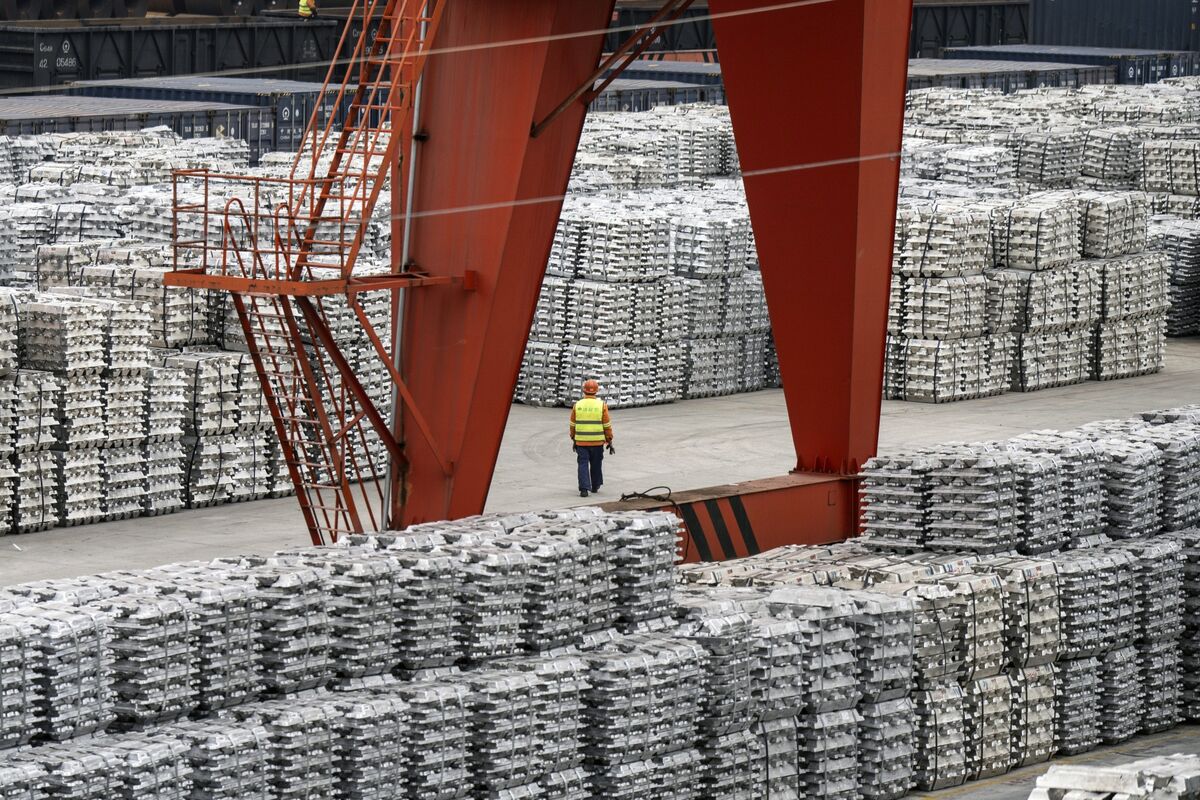
China’s smelting and pressing of non-ferrous metals sector reported first-quarter profits of 142 billion yuan ($21 billion), more than double a year earlier and the highest for the period since 2016. The surge was driven by sharply higher aluminum and copper prices, indicating strong commodity tailwinds for China’s metals industry. The data is supportive for sector sentiment but is unlikely to have a broad market-wide impact.
The key read-through is not just “better metals earnings,” but that the cost curve in China’s non-ferrous complex is being repriced faster than end-demand. When upstream smelters print outsized profits, the second-order effect is often a lagged supply response: higher utilization, more scrap collection, and a push to restart marginal capacity where power and feedstock constraints allow. That can keep near-term price momentum alive for weeks, but it also seeds its own correction over the next 1-3 quarters if inventories begin to rebuild.
The bigger beneficiary may be the electricity and logistics stack around the sector rather than the miners themselves. Smelting margins tend to pass through to power producers, port operators, and industrial equipment suppliers before they normalize in the metal price itself, especially when producers lock in forward sales to defend cash flow. If this profitability burst is driven by copper and aluminum scarcity rather than broad manufacturing acceleration, the move is more about supply tightness than demand strength — a far less durable signal.
The contrarian risk is that this is a margin peak, not a regime change. Metals earnings spikes often invite policy scrutiny in China if they are seen as exacerbating inflation or encouraging speculative restocking, and that can cap the upside via administrative measures before fundamentals roll over. The key catalyst to watch is whether inventory data confirms physical tightness; if stocks stop drawing and downstream order books do not accelerate within 4-8 weeks, equity names tied to the cycle can mean-revert sharply even as headline profits remain elevated.
From a portfolio perspective, this is a cleaner relative-value than outright beta trade: own the producers with low-cost feedstock and short the most levered downstream industrial users who cannot pass through input inflation quickly. The setup is most attractive on pullbacks after the initial headline impulse fades, because metals equities often overshoot on earnings momentum and then underperform once the market prices in capacity expansion and policy intervention. The asymmetry improves if you can pair this with a view that global growth is merely stable, not reaccelerating.
AI-powered research, real-time alerts, and portfolio analytics for institutional investors.
Request DemoOverall Sentiment
moderately positive
Sentiment Score
0.55
