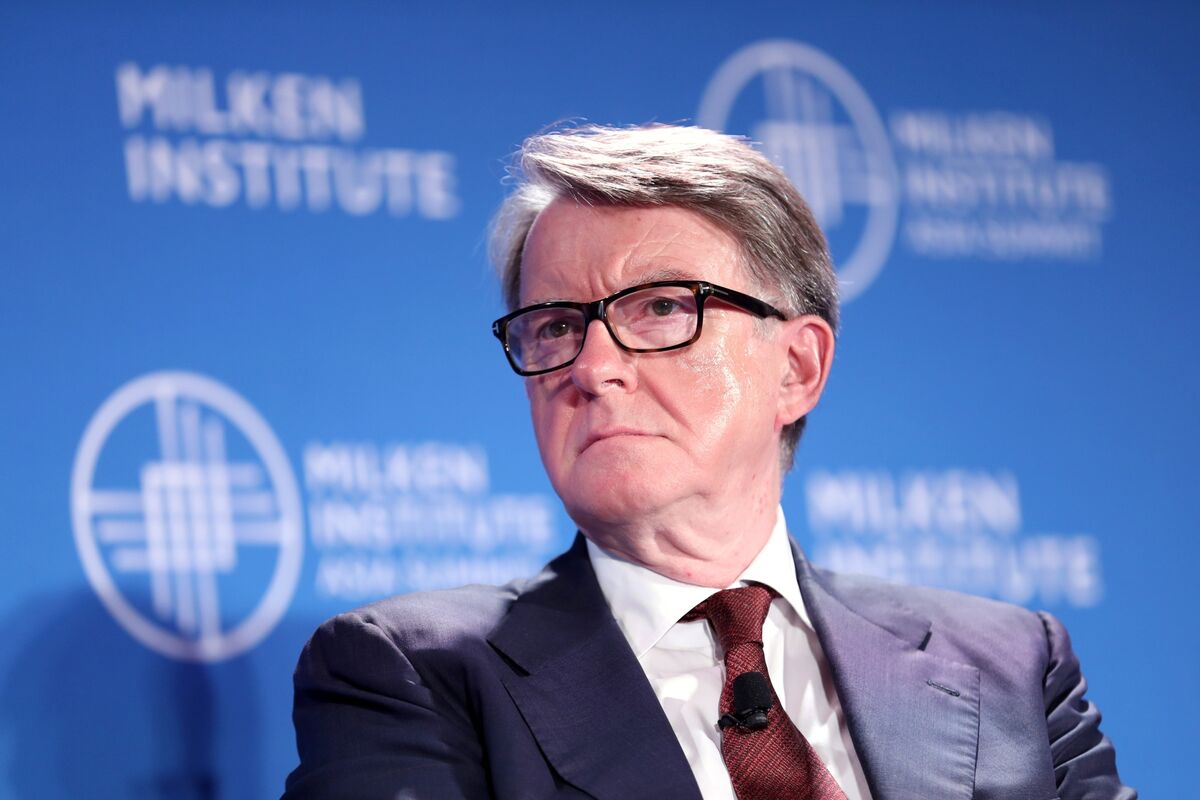
Peter Mandelson, co-founder of the lobbying firm Global Counsel, has been stripped of his voting rights and barred from receiving dividends, as the company takes further steps to distance itself from his association with Jeffrey Epstein. This internal governance change follows Mandelson's recent dismissal from his diplomatic role and highlights the increasing pressure on firms to mitigate reputational risks linked to controversial figures.
Global Counsel, a private lobbying firm, has enacted severe governance measures against its co-founder, Peter Mandelson, by stripping him of both voting rights and dividend distributions. This action is a direct consequence of the reputational fallout from his association with Jeffrey Epstein and follows his recent dismissal from a diplomatic role. The firm's decision to distance itself so forcefully from a founder highlights the escalating pressure on private and public entities to manage reputational risk aggressively. The loss of both influence and financial remuneration for Mandelson underscores the material impact that such associations can have on key personnel and internal company structure, demonstrating a clear prioritization of brand integrity and stakeholder perception over founder privileges. The move is a significant data point on how modern corporate governance is evolving to address social and ethical controversies linked to leadership.
AI-powered research, real-time alerts, and portfolio analytics for institutional investors.
Request DemoOverall Sentiment
strongly negative
Sentiment Score
-0.75
