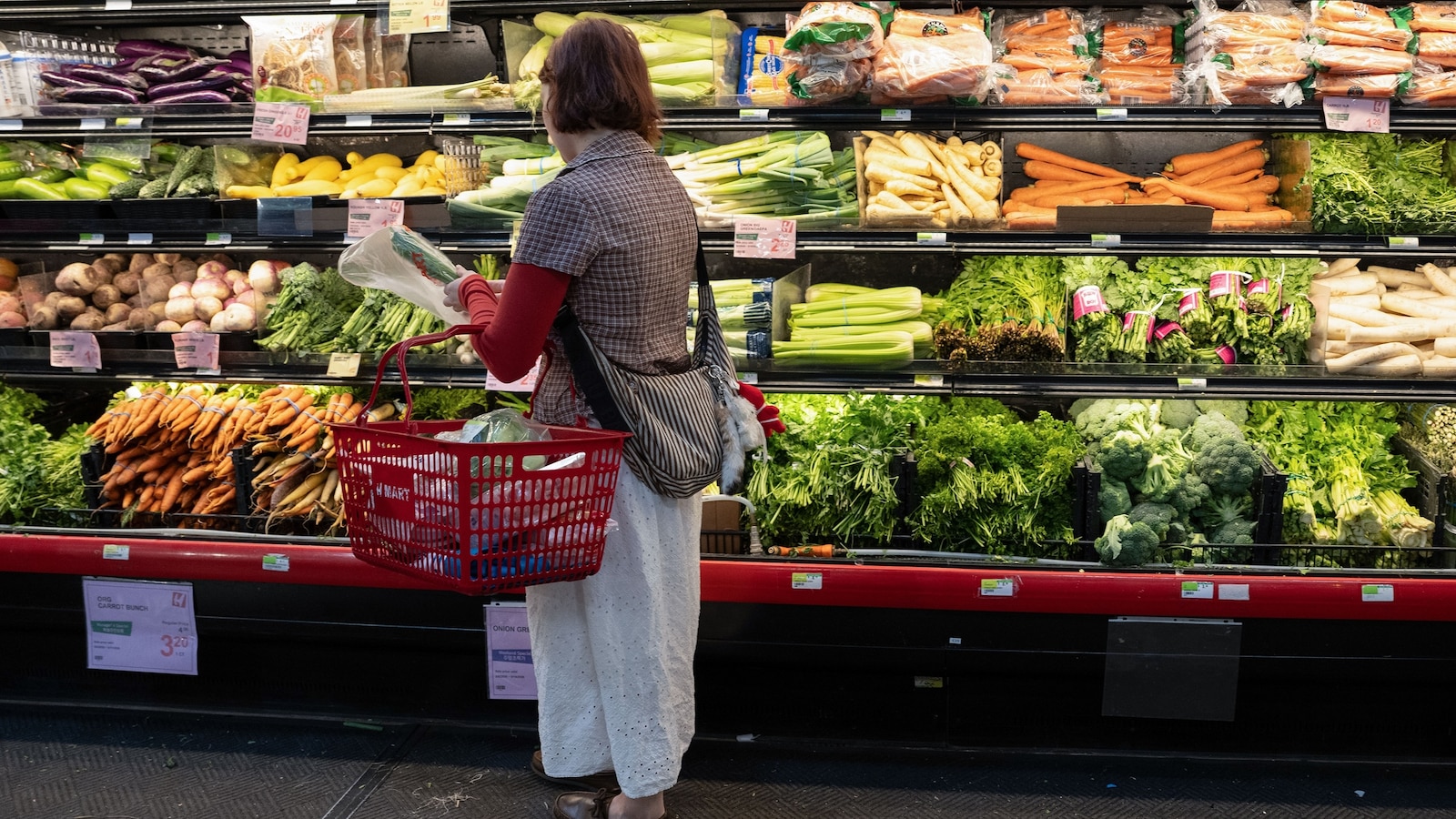
U.S. grocery prices accelerated in April, with fresh vegetables up 11.5% year over year, seafood up 6.2%, coffee up 18.5%, beef up 14.8% and tomatoes up 39%. The article attributes the inflation spike to higher diesel costs from the Iran war-driven oil shock, plus tariffs and weather-related supply shortages. While overall food-at-home inflation is still 2.9% annually, the report points to renewed pressure on consumers and food supply chains.
The key market implication is not just higher grocery inflation, but a widening dispersion between refrigerated/perishable categories and shelf-stable goods. Diesel is the transmission mechanism, so the first-order winners are upstream energy and logistics names with pricing power, while the losers are grocers and food manufacturers that cannot reprice fast enough on high-turn items. The second-order effect is margin compression in the middle of the chain: distributors, cold-chain carriers, and private-label processors absorb fuel and spoilage risk before consumers fully adjust, which tends to show up in earnings with a 1-2 quarter lag.
What matters for the next 1-3 months is whether the diesel spike is transient or becomes embedded in contract resets and inventory replenishment costs. Because perishables move fast, the inflation impulse can hit headline food CPI quickly, but the demand response is usually delayed; that creates a window where retailers preserve volumes at the expense of gross margin. If fuel retraces, the category mix should normalize quickly, but if trucking rates follow diesel higher, the pain broadens beyond produce/seafood into packaged foods via freight surcharges and cold storage.
The cleaner contrarian read is that demand elasticity is being underestimated: buyers are currently absorbing sticker shock, but that tends to hold only until the next household budget cycle. Once substitution kicks in, the most inflated categories can see volume destruction even if nominal prices stay high, which is bearish for food-at-home baskets but could later cap CPI momentum. For MORN specifically, the near-term setup is modestly negative: higher food inflation can lift usage around the data, but if investors start pricing persistent cost-push inflation and weaker consumer sentiment, the company’s narrative can become less constructive even without a direct operating hit.
AI-powered research, real-time alerts, and portfolio analytics for institutional investors.
Request DemoOverall Sentiment
moderately negative
Sentiment Score
-0.35
Ticker Sentiment
