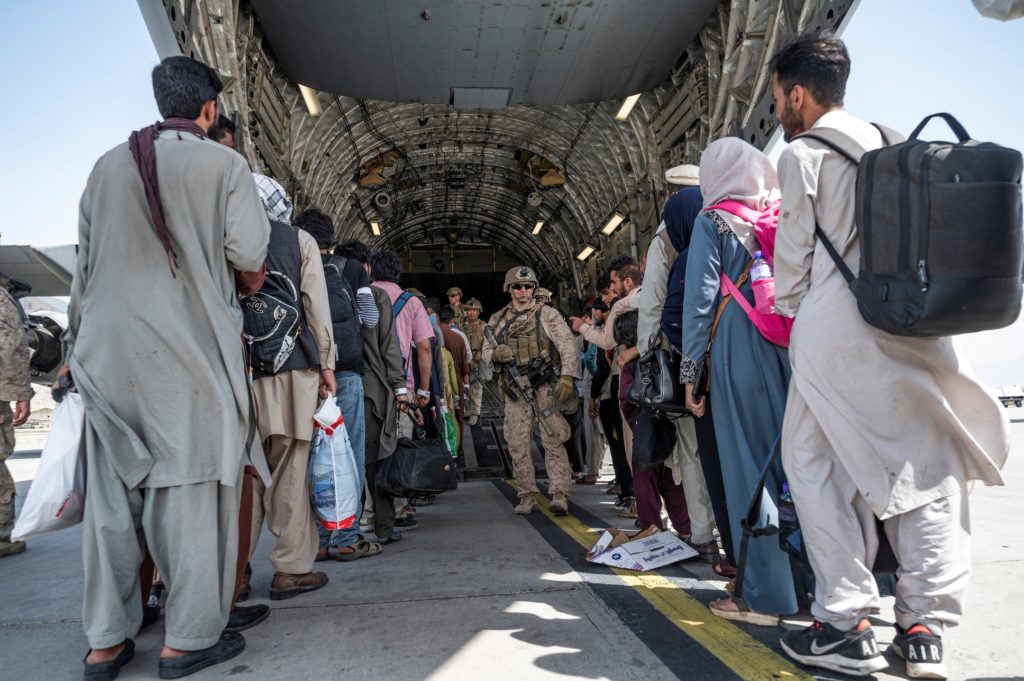
The State Department is considering sending more than 1,000 Afghans who supported the U.S. war effort and are currently detained in Qatar to Afghanistan or the Democratic Republic of the Congo. The article highlights severe humanitarian and security risks, including reports that the camp is 42% children and that some families could face retribution or death if returned to Afghanistan. The issue is politically sensitive and may prompt congressional action, but it is unlikely to have broad direct market impact.
The immediate market implication is not humanitarian optics; it is a measurable degradation in U.S. credibility as a settlement authority, which matters for how future allied labor is sourced and priced. If frontline partners conclude that service to the U.S. comes with uncertain ex-post protections, the cost of recruiting local support in future conflict theaters rises materially, and the Pentagon/State Department will have to either pay up in wages, security guarantees, or insurance-like relocation commitments.
The second-order loser is not a single issuer but the broader ecosystem that relies on U.S.-backed governance assurances: defense contractors, private security firms, and operators exposed to overseas labor pipelines may face longer sales cycles and more compliance friction. For public markets, the more relevant effect is on policy risk premium: any company with meaningful exposure to U.S. visa, refugee, or sanctions enforcement can see higher headline beta because Congress may force a compensating legislative response, creating whipsaw regulatory outcomes over weeks to months.
Near term, the main catalyst is political: if the story triggers hearings or a stopgap bill, the base case shifts from administrative removal to indefinite limbo, which is actually worse for process-sensitive agencies because it extends operational uncertainty. Over a 1-3 month horizon, expect elevated litigation risk and reputational pressure on the administration; over 6-12 months, the bigger issue is precedent erosion, which can suppress allied cooperation in non-obvious theaters like intelligence collection, special operations support, and contractor staffing.
The consensus is likely underpricing how much this changes future war-time labor economics. The market tends to treat refugee/evacuation issues as isolated policy noise, but the real signal is that U.S. promises are becoming conditional and revocable, which is a structural negative for soft-power leverage. The contrarian read is that this is not just a moral failure; it is a strategic tax that will show up later as higher operational costs and lower partner willingness, even if there is no direct equity-market catalyst today.
AI-powered research, real-time alerts, and portfolio analytics for institutional investors.
Request DemoOverall Sentiment
strongly negative
Sentiment Score
-0.65
