Middle East conflict is driving supply shocks in energy and shipping, pushing March inflation higher across major economies. U.S. CPI rose to 3.3% year over year from 2.4%, Eurozone inflation increased to 2.6% from 1.9%, and energy inflation in the Eurozone flipped to +5.1% from -3.1%. China’s inflation eased to 1.0% from 1.3%, but crude and gasoline prices remain supported by supply concerns.
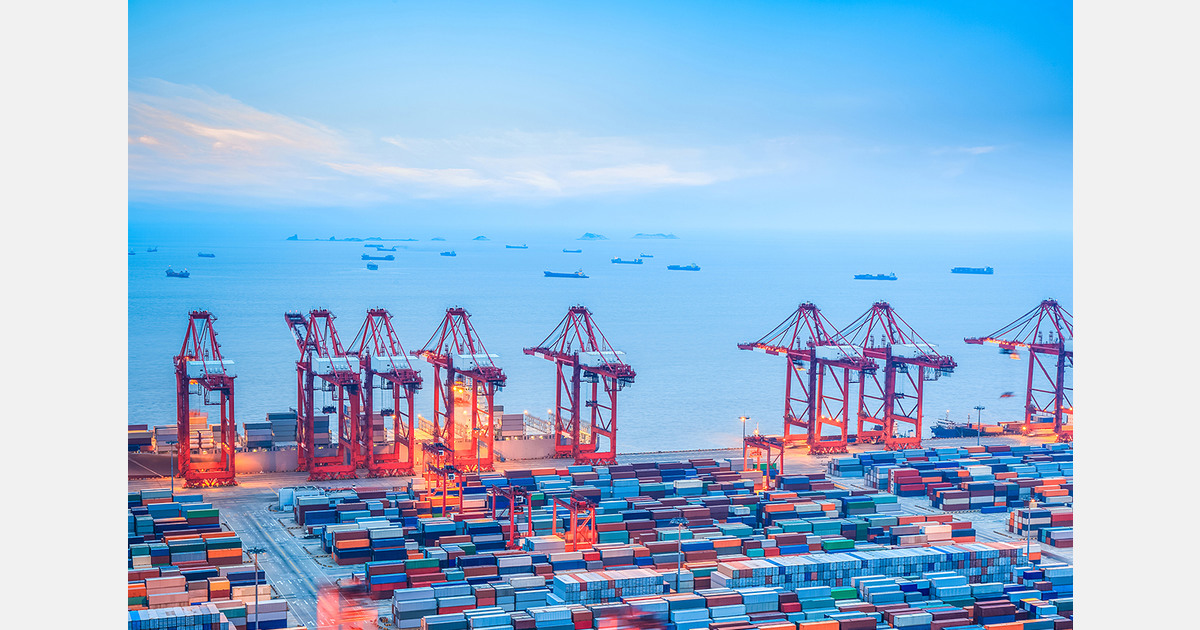
The immediate market consequence is not just a higher headline CPI print but a widening dispersion across energy-intensive sectors. Upstream energy and select refiners are likely to capture pricing power first, while transport, chemicals, packaged food, and discretionary retail absorb the lagged margin squeeze as input costs reset faster than end-demand can reprice. The second-order winner is likely LNG/shipping-linked names with spot exposure if rerouting and insurance costs stay elevated, while freight-sensitive importers face a multi-month earnings headwind even if end-consumer inflation looks contained for now.
The more important signal is that this is a supply shock that central banks cannot fully neutralize without tightening into it. That creates a stagflationary setup where rate-sensitive equities can underperform even if growth does not roll over immediately, because inflation expectations are re-anchored before labor data cracks. The biggest risk over the next 1-3 months is that markets underprice the persistence of fuel and freight pass-through; food inflation typically lags energy by several months, so the real earnings pressure likely appears in Q2/Q3 guidance rather than current prints.
China is the key contrarian piece: the muted inflation response suggests domestic inventory buffers and trade positioning may be absorbing the shock better than consensus expects. That argues against chasing a broad commodities beta trade indiscriminately; the better expression is relative value between importers of shipped goods and domestic producers with pricing power. If Middle East disruptions fade or shipping lanes normalize, the inflation impulse can reverse quickly in cyclicals, but if it persists, the trade is less about CPI and more about margin compression across the real economy.
The consensus seems to be treating this as a temporary energy wobble; that is likely too benign for industrial profits and too aggressive for broad commodity longs. The underappreciated risk is that higher pump prices reduce discretionary spending with a lag, while food inflation tends to hit low-income consumers hardest, creating a slower-burn demand hit rather than an immediate shock. That favors being tactical on energy exposure and defensive on sectors that cannot pass through input costs.
AI-powered research, real-time alerts, and portfolio analytics for institutional investors.
Request DemoOverall Sentiment
mildly negative
Sentiment Score
-0.20
