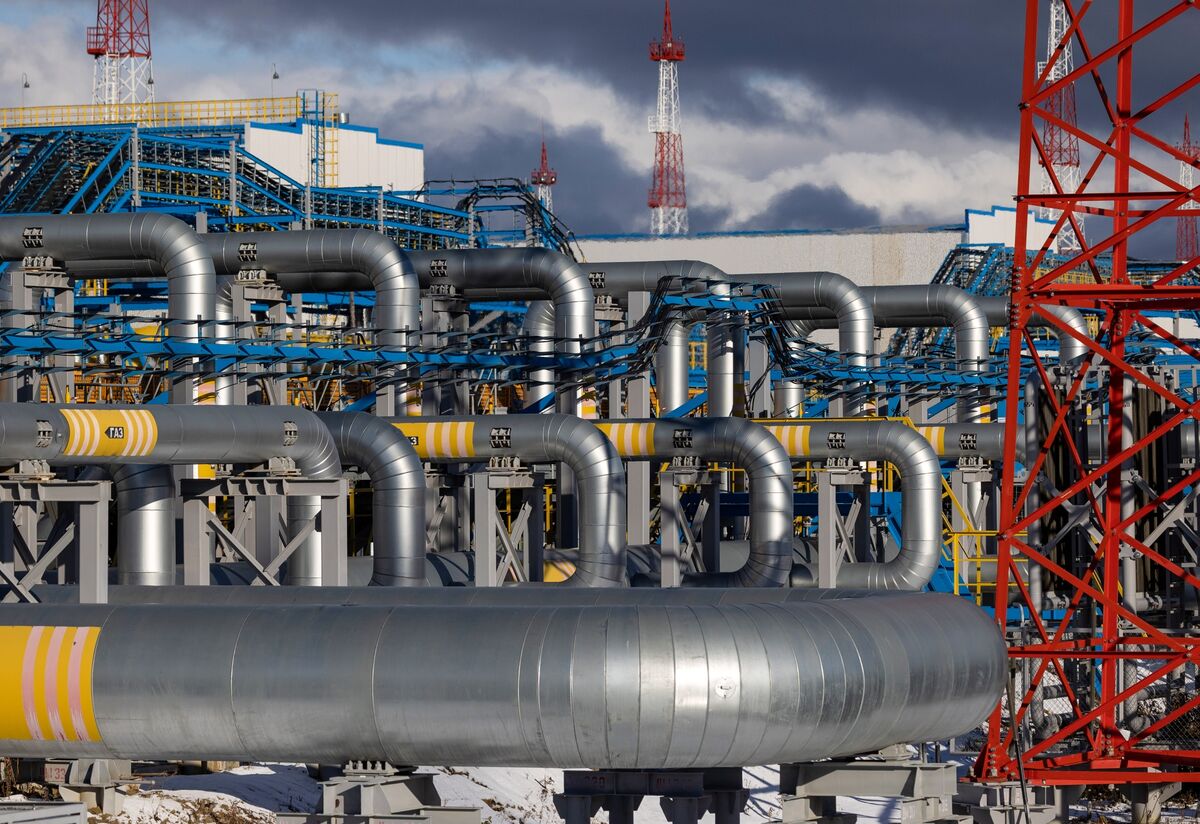
The US is currently opposing a European proposal to lower the G-7 price cap on Russian oil, creating a point of contention ahead of the upcoming G-7 summit in Canada. Despite European hopes for a consensus, the US position, as outlined at a previous G-7 finance ministers meeting, remains unchanged, though the final decision rests with President Trump.
The United States is currently maintaining its opposition to European proposals aimed at lowering the G-7 price cap on Russian oil sales, a position that was previously articulated at a meeting of G-7 finance ministers. This stance introduces a point of contention ahead of the upcoming G-7 summit in Canada, dampening European expectations for an agreement to reduce the cap. While a final decision ultimately rests with President Donald Trump, leaving a degree of uncertainty, the prevailing US position indicates no current movement. This situation, characterized by a mildly negative sentiment (score -0.25) and a moderate market impact score (0.55), highlights a potential divergence within the G-7 on strategies to curtail Russian oil revenues. The outcome of these deliberations could influence the effectiveness of existing sanctions and potentially impact global energy market dynamics, particularly concerning Russian oil supply and pricing under the cap mechanism.
AI-powered research, real-time alerts, and portfolio analytics for institutional investors.
Request DemoOverall Sentiment
mildly negative
Sentiment Score
-0.25
