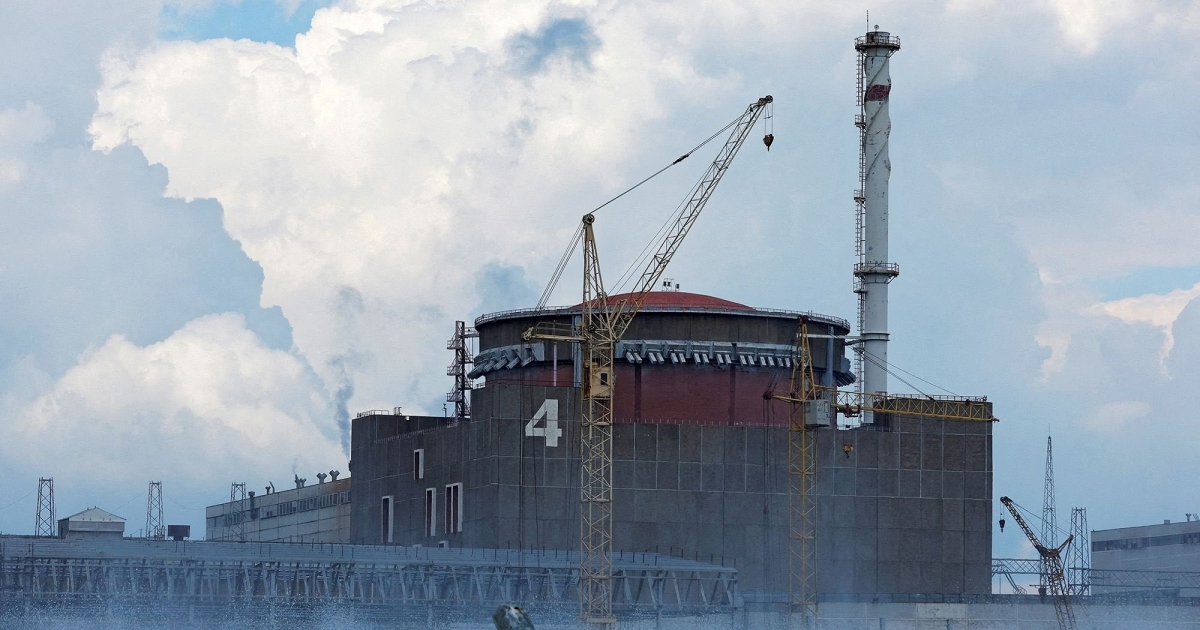
Zaporizhzhia Nuclear Power Plant lost external power again for the 16th time since Russian occupation, briefly relying on emergency diesel generators before being reconnected to the only available line. IAEA says the repeated outages underscore ongoing nuclear hazard risk at the plant, with the cause of the latest blackout still undetermined. The incident adds to geopolitical and infrastructure risk around Ukraine’s nuclear assets and could keep energy-security concerns elevated.
This is less a direct market event than a live stress test on the Black Sea risk premium. The real second-order effect is not an immediate nuclear supply shock, but a widening of the tail on regional infrastructure disruption: every additional outage increases the probability of a misread escalation, which tends to bleed into European power forwards, Ukrainian sovereign risk, and defense names before it reaches broader risk assets.
The market is likely underpricing the duration risk embedded in the plant’s single-line dependency. A one-hour outage is operationally manageable, but the marginal signal matters: when backup power, communications, and external connectivity all fail intermittently, the probability distribution shifts toward a longer-duration incident caused by sabotage, shelling, or grid instability. That creates a convexity problem for utilities and industrials exposed to Eastern Europe because the first reaction is usually a spike in regional balancing costs, followed by higher hedging demand and wider credit spreads if the situation persists over days rather than weeks.
The most actionable trade here is not a blunt oil long; it is a barbell of defense upside and European power optionality. If the incident escalates, defense procurement expectations move faster than commodity pricing, while the energy market response is likely to show up first in power volatility rather than in crude. The contrarian view is that repeated outages may actually reduce the probability of a catastrophic event because each episode reinforces operational caution and diplomatic pressure; that means headline risk can stay elevated even as realized disruption remains contained, which is usually bearish for volatility sellers and bullish for long gamma.
If there is a de-escalation path, it would come from a localized ceasefire or renewed IAEA-backed access arrangement, which could compress the geopolitical premium within 1-3 weeks. Until then, the base case is a persistent risk-off bias with episodic spikes rather than a linear trend.
AI-powered research, real-time alerts, and portfolio analytics for institutional investors.
Request DemoOverall Sentiment
strongly negative
Sentiment Score
-0.55
