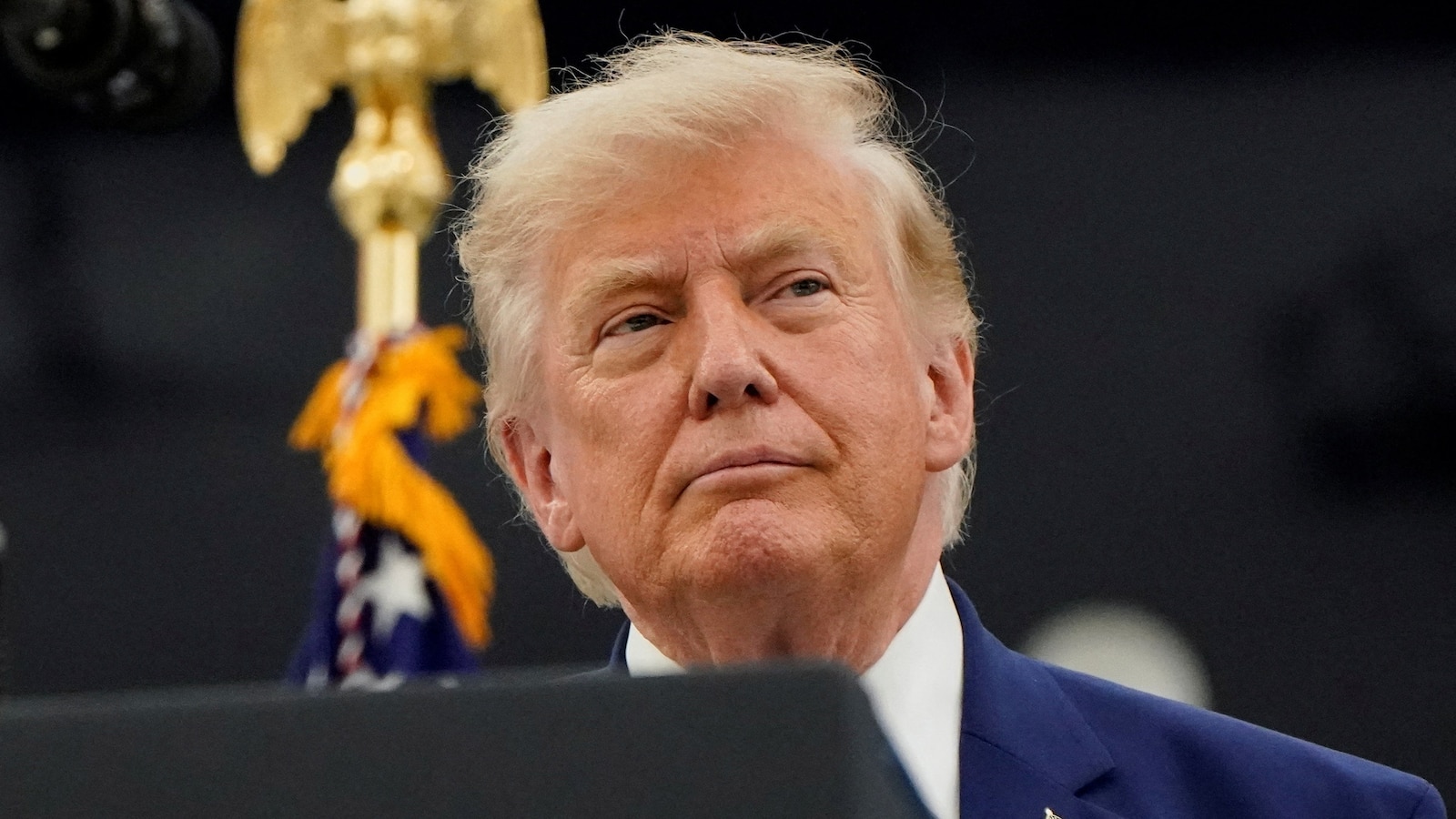
Trump signed two executive orders to accelerate U.S. quantum computing development, including a national effort to produce a scientifically capable quantum computer by 2028 and a transition to post-quantum cryptography by 2031. The orders also aim to strengthen domestic supply chains and workforce development, with no specific companies singled out. McKinsey estimates quantum computing could add $1.3 trillion in value across automotive, chemicals, financial services and life sciences by 2035.
This is less a near-term earnings event than a policy-induced de-risking of the quantum ecosystem. The biggest second-order beneficiary is likely the picks-and-shovels layer: materials, cryogenics, photonics, test equipment, and integrated networking/security vendors that can monetize federal procurement before true fault-tolerant quantum compute exists. That makes the revenue pool broader than the two headline beneficiaries; it also means the first tradable uplift may show up in adjacent infrastructure budgets rather than in pure-play quantum revenues.
The competitive implication is that a federal standardization push tends to favor incumbents with compliance, integration, and lobbying depth. IBM is better positioned to convert policy into enterprise pipeline because it can bundle quantum with mainframe, cloud, and consulting workflows; GOOGL has the higher optionality but less direct near-term monetization if the market remains skeptical about commercial timelines. A less obvious winner is the cybersecurity stack: mandated post-quantum migration creates multi-year refresh cycles for identity, key management, and network appliances, with the steepest spending likely in regulated industries where shelf-life of cryptographic infrastructure is shortest.
The main risk is timeline slippage. If the 2028/2031 milestones look aspirational rather than executable, the sector can re-rate back to venture-style “future science” multiples, especially if appropriations stall or procurement turns into a standards process with little capex follow-through. The contrarian read is that this is bullish for the ecosystem but not necessarily for the pure quantum names — the market may be overestimating how much of the value accrues to device builders versus integrators and security vendors over the next 12-24 months.
AI-powered research, real-time alerts, and portfolio analytics for institutional investors.
Request DemoOverall Sentiment
moderately positive
Sentiment Score
0.55
Ticker Sentiment
