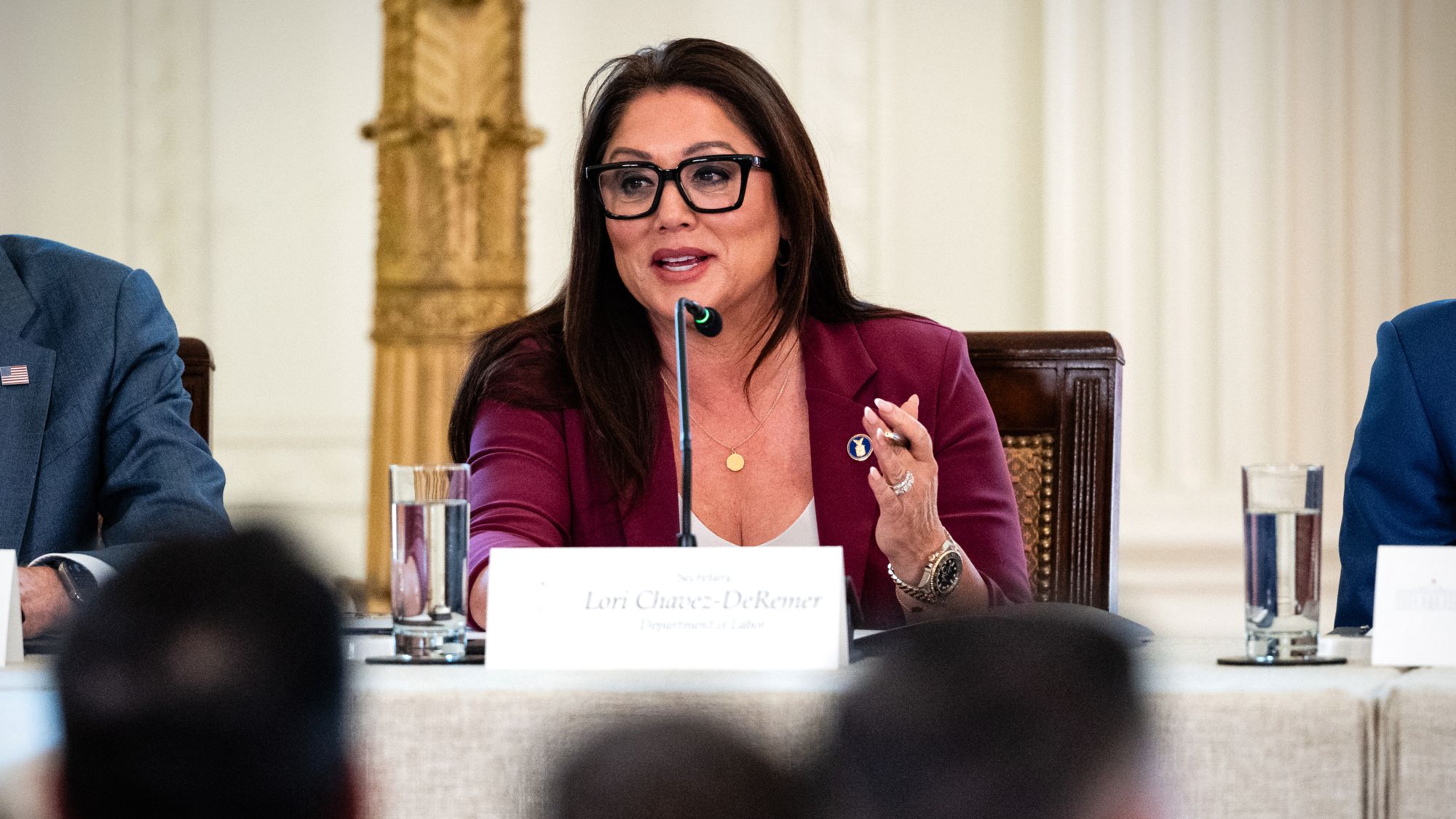
Labor Secretary Lori Chavez-DeRemer is leaving the Trump administration to take a private-sector job amid workplace misconduct allegations and an inspector general investigation. Deputy Labor Secretary Keith Sonderling will serve as acting secretary. The development is politically negative but has limited direct market impact.
This is a negative governance overhang for the administration, but the market implication is less about the personnel headline and more about what it signals inside Labor policy: decision-making is likely to become more centralized, more business-friendly, and less ideologically noisy under the acting leadership. That tends to reduce headline volatility for employers exposed to wage-hour, contractor, and enforcement risk, but it also raises the probability of a quieter, more technocratic push on audits, staffing, and compliance enforcement rather than obvious policy reversals.
For media and information services, the direct equity read is limited, but NYT can still see modest engagement benefit from elevated political scandal coverage and a follow-on investigative/reporting cycle. The more important second-order effect is that a prolonged scandal path inside Labor can increase demand for enterprise compliance, HR tech, and employment-law advisory workflows, which is incremental tailwind for vendors that monetize regulatory complexity rather than macro growth. The downside is that if the acting secretary is seen as a business ally, some of the “labor alarm” premium embedded in union-adjacent or enforcement-sensitive names can fade quickly.
The key risk window is the next few weeks: the release or leak of the inspector general material could produce a short, sharp spike in political-news engagement, followed by rapid normalization if the story is fully priced. Over 3-6 months, the bigger catalyst is whether the department’s personnel and enforcement posture materially softens; that would be bearish for worker-protection advocacy groups and mildly bullish for cyclicals with thin compliance margins, especially staffing, logistics, and hospitality. The contrarian view is that this may be more reputational than operational for public markets: unless policy changes show up in enforcement statistics, the tradeable impact likely fades faster than headline readers expect.
AI-powered research, real-time alerts, and portfolio analytics for institutional investors.
Request TrialOverall Sentiment
mildly negative
Sentiment Score
-0.20
Ticker Sentiment
