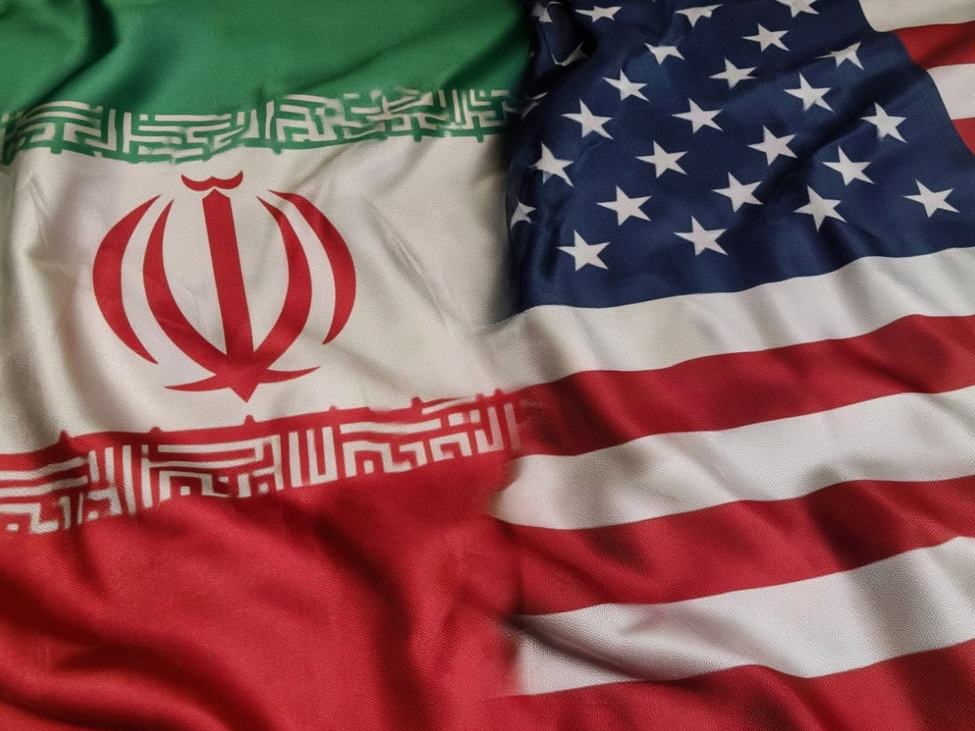
Oil prices ticked higher as Reuters reported skepticism around a potential US-Iran deal, with significant differences still remaining on nuclear issues and ceasefire terms. The report suggests a preliminary deal could still emerge within days, but negotiations remain fragile and tied to sanctions relief and compensation demands. The S&P 500 pulled back about 25 points from highs, while oil rebounded from lows on the headlines.
The market is still pricing a relatively clean de-escalation path, but the structure of this negotiation keeps the supply risk premium alive. The key second-order effect is that even a partial framework can be enough to suppress speculative length in crude, yet not enough to restore confidence in uninterrupted regional flows; that usually creates choppy downside in front-month oil but persistent backwardation in deferred contracts as traders hedge headline risk rather than duration risk.
The real asymmetry is in who loses from a failed deal: not just barrels, but optionality. Any perception that Hormuz access is conditional raises the value of non-Middle East supply with reliable export routes, including North American crude, refined products, and LNG-linked infrastructure. Energy equities with strong free cash flow and low geopolitical beta should outperform pure price beta names if the market starts distinguishing between transient headline spikes and durable supply disruption.
For risk, the tightest window is days, not months: the next round of negotiation headlines can unwind most of the bounce if language softens. But the longer-term catalyst is sanctions enforcement and any implied compensation demand, which makes a fast comprehensive deal less likely; that means the base case is not a clean supply reset, but a prolonged series of stop-start headlines that keeps realized volatility elevated. The consensus may be overestimating the odds of a decisive agreement and underestimating the probability of a messy, reversible ceasefire extension.
From a positioning standpoint, the setup favors owning volatility rather than outright delta. If crude spikes on failed talks, the move likely fades unless there is an actual flow interruption; if talks progress, oil can compress quickly because the market will immediately discount optional Iranian barrels even before they physically arrive. That creates a better asymmetry in options than in cash, especially around the negotiation timeline.
AI-powered research, real-time alerts, and portfolio analytics for institutional investors.
Request TrialOverall Sentiment
neutral
Sentiment Score
-0.10
