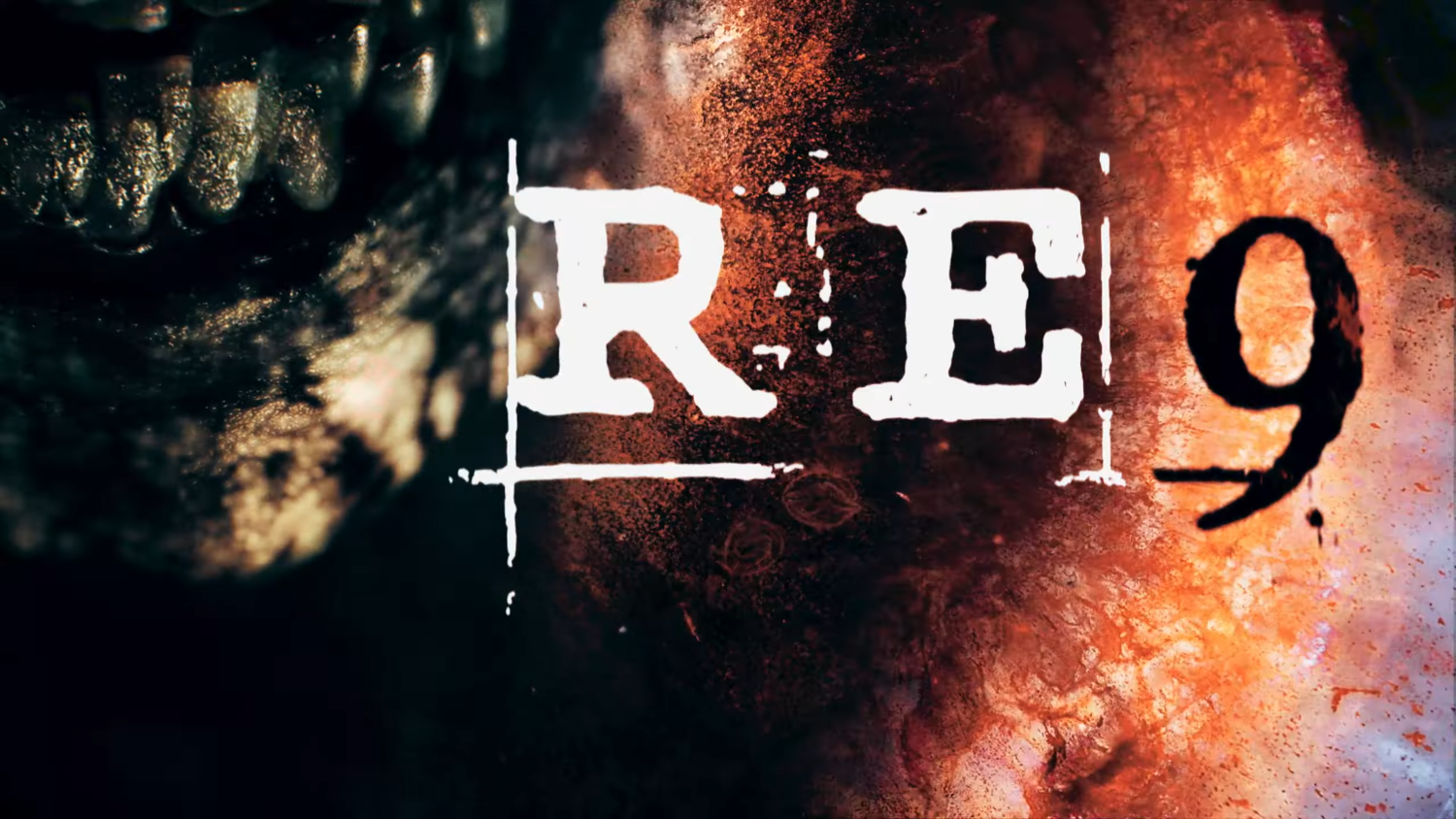
Resident Evil 9 Requiem has sold over 7 million copies worldwide in 56 days, reinforcing Capcom's claim that it is the fastest-selling Resident Evil title ever. Capcom also highlighted strong performance from Pragmata, which sold 1 million copies in 2 days, and noted continued franchise sales momentum above 180 million units. The update is positive for Capcom's game portfolio, though it is primarily a sales milestone rather than a fresh financial guidance event.
The signal here is less about one franchise and more about Capcom’s release machine sustaining unusually high monetization velocity across multiple properties. When a publisher can convert launch demand into rapid unit sales, the market tends to re-rate not just near-term bookings but the durability of its pipeline and pricing power, which is why Sony’s platform exposure matters indirectly even if it is not the primary economic beneficiary. Strong third-party tentpoles also reinforce console engagement, reducing churn risk for hardware ecosystems and supporting digital attach rates over the next 1-2 quarters.
The second-order winner is likely the platform holders with the highest share of premium software spend, but the relative effect should be modest unless the title meaningfully lifts console upgrade behavior or subscription conversion. The more interesting read-through is to adjacent publishers: strong results from a mature horror IP plus a new IP launch hitting scale quickly suggest consumers are still paying up for recognizable brands and polished single-player experiences, which is favorable for differentiated content and unfavorable for mid-tier releases competing for attention. That means the competitive pressure is not just on game quality, but on marketing efficiency and launch-window timing.
The risk is that the market extrapolates one hot launch into a broader demand regime. These figures are backward-looking and can already be partially priced into publisher multiples, while the harder part is sustaining bookings after the initial spike; the next 30-90 days will determine whether engagement and DLC/expansion monetization hold. If platform or publisher commentary later implies front-loaded demand was unusually concentrated, the enthusiasm can fade quickly and rotate back to cash-flow quality over growth optics.
Consensus may be underestimating how much of this is a genre-specific, franchise-specific phenomenon rather than a clean read on the broader AAA market. If investors infer that all premium releases can replicate this trajectory, that is too optimistic; the scarcity value sits with publishers that can repeatedly manufacture launch events, not with the category overall.
AI-powered research, real-time alerts, and portfolio analytics for institutional investors.
Request TrialOverall Sentiment
moderately positive
Sentiment Score
0.68
Ticker Sentiment
