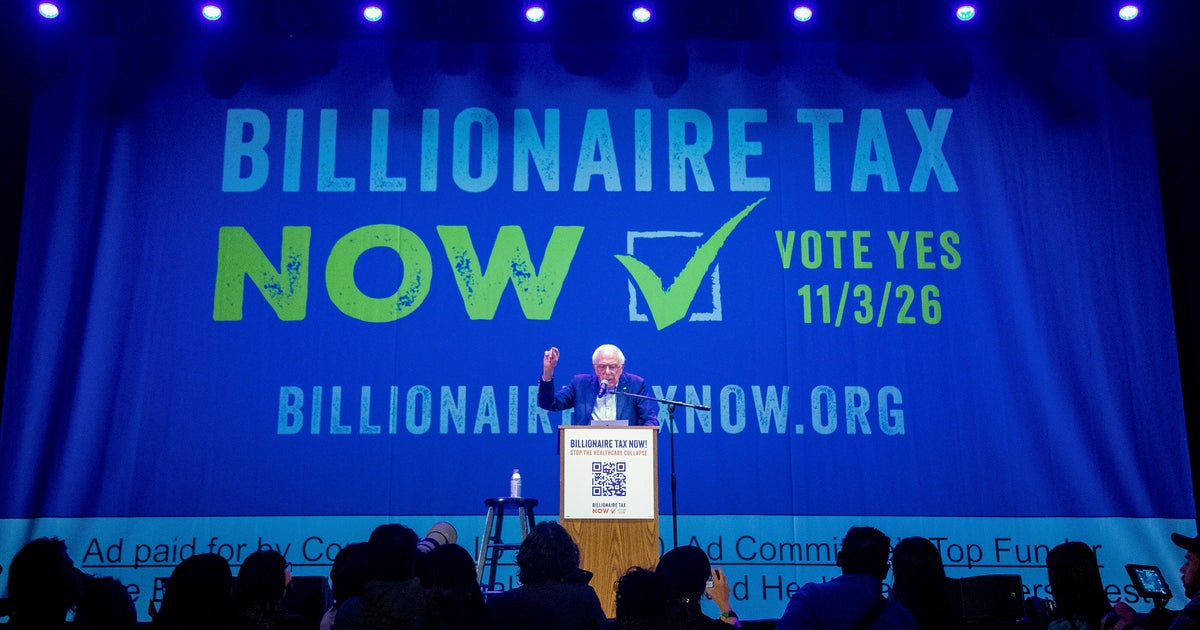
California's proposed one-time 5% billionaire tax has cleared the signature threshold, with organizers saying they secured more than 1.5 million signatures versus 875,000 required for the November ballot. The measure is projected to raise about $100 billion over five years to support hospitals, clinics, K-14 education and food assistance, but Gov. Gavin Newsom and other opponents warn it could prompt wealthy residents to leave and hurt the state's economy. The policy is material for California fiscal planning and healthcare funding, though its market impact is mostly state-specific rather than broad-based.
This is less a direct “wealth tax” event than a state-level call option on policy volatility. Even before any legal challenge, the mere qualification of the measure raises the probability of precautionary behavior by ultra-high-net-worth households: shifting residency, accelerating gifting, and re-optimizing entity domicile. The second-order impact is not just lost tax base; it is a potential margin squeeze for California-adjacent service businesses, private banks, wealth managers, and high-end discretionary spend tied to that cohort.
The market-relevant risk is asymmetry in timing. Ballot qualification is immediate, but price discovery on the actual economic burden will likely happen in the months before the vote, not after. That creates a window where California-specific fiscal names can trade on headline risk while healthcare and education beneficiaries remain mostly unpriced because funding certainty is low and legal implementation risk is high.
The contrarian read is that the proposal may be more punitive in signaling than in cash flow. A one-time levy is easier to message than administer against mobile wealth, and the highest-net-worth households are the most capable of front-running it through relocation, trusts, and appreciation management. If that happens, the state could end up with a smaller base and no durable recurring revenue, which would shift the trade from “tax the rich” to “tax base erosion.”
For healthcare, the bigger second-order effect is funding uncertainty for providers with California exposure: if the ballot measure sharpens fears of future tax raids, capex and labor negotiations could get more defensive even before any money is raised. That favors large, diversified managed-care and payer platforms over California-centric hospital operators, while unions and politically sensitive public-sector beneficiaries may see a near-term narrative boost without immediate earnings translation.
AI-powered research, real-time alerts, and portfolio analytics for institutional investors.
Request DemoOverall Sentiment
mildly negative
Sentiment Score
-0.15
