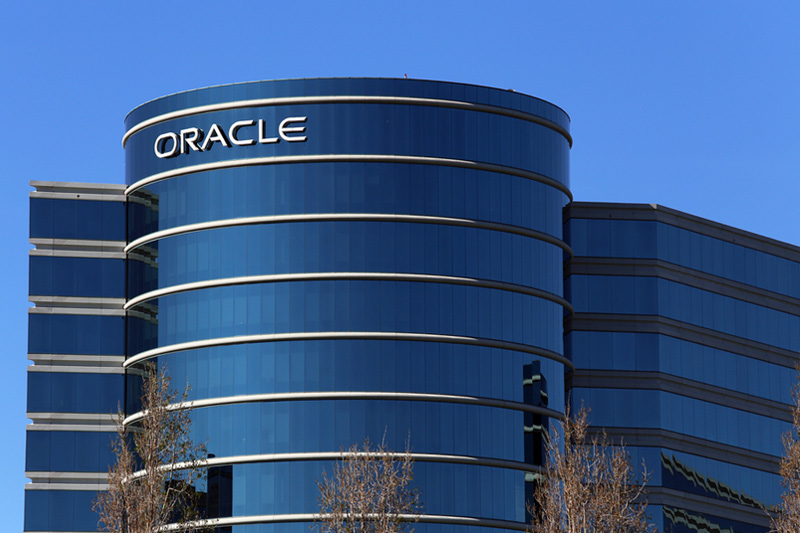
Oracle fell 5.5% as investors took profits ahead of its June 10 fiscal Q4 2026 earnings release, with pre-earnings hedging evident in unusually heavy ORCL put trading. Analyst sentiment remains constructive but mixed, with price targets ranging from $190 to $400 and expectations for a revenue/EPS beat, but the stock is being pressured by broader tech weakness and AI infrastructure spending concerns.
ORCL’s weakness looks less like a fundamental reset and more like a liquidity event into a crowded consensus long. When a high-multiple software name is within a catalyst window, incremental sellers tend to be dominated by hedgers and profit-takers rather than outright shorts, which means the tape can overshoot even if the earnings outcome is merely good rather than great. That creates a short-duration dislocation where the stock can underreact to bullish results unless management clearly re-accelerates the AI backlog narrative and, more importantly, proves conversion from bookings to near-term revenue.
The second-order issue is competitive. If Oracle is being discounted on the assumption that AI infrastructure spend is becoming less efficient, the market is implicitly re-rating the entire “capacity buildout” basket, but the pain is likely to be uneven. Names with lower perceived monetization visibility or higher capex intensity should trade worse than firms that monetize AI through software attach or operating leverage; that argues for relative-value shorts in the most expensive infrastructure beneficiaries rather than a blanket short of software. NDAQ’s mild weakness fits the broader risk-off tape, but it is more a sentiment beta expression than a company-specific signal.
The cleanest tactical setup is around the earnings event: the options market is already signaling a hedged base case, so implied volatility likely remains elevated, making outright long premium less attractive unless one expects a true upside surprise. The contrarian view is that the selloff may be overdone because the market is pre-positioned for a merely solid print; if Oracle confirms demand durability and gives even modestly better FY commentary, forced de-risking could unwind quickly over 2-5 sessions. The real tail risk is not an earnings miss but a guide-down on AI-related margin or capex intensity, which would reprice the stock lower for weeks rather than days.
AI-powered research, real-time alerts, and portfolio analytics for institutional investors.
Request DemoOverall Sentiment
mildly negative
Sentiment Score
-0.18
Ticker Sentiment
