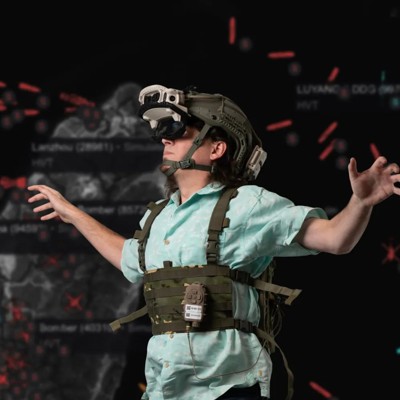
The U.S. Army has awarded over $350 million in contracts for its Soldier Borne Mission Command (SBMC) program, with Anduril securing $159 million and Palantir-backed Rivet receiving $195 million to develop wearable virtual displays and integrated systems. This initiative signals a strategic shift towards a multi-solution approach for soldier augmentation, emphasizing rapid prototyping and the potential adaptation of commercial AR/VR technologies, rather than a single universal device. Both companies are focused on user experience, comfort, and integrating advanced features like natural language interaction, aligning with the Army's "Transformation-in-Contact" strategy for swift deployment of combat-ready technology, marking significant wins for these "new guard" defense contractors.
The U.S. Army's Soldier Borne Mission Command (SBMC) program has awarded significant contracts to Anduril ($159M) and Palantir-backed Rivet ($195M), signaling a strategic pivot in defense procurement. This move represents a departure from single-vendor, universal hardware solutions, like the previous IVAS program, towards a more flexible, multi-provider ecosystem that integrates various wearables and headsets. Anduril founder Palmer Luckey's commentary underscores this shift, projecting that future hardware will likely be adaptations of commercial AR/VR devices, positioning Anduril's separate contract for the SBMC integration software as a key strategic asset. This software layer gives Anduril a central role in the ecosystem, regardless of which hardware manufacturers ultimately prevail. The awards validate the 'new guard' of agile, venture-backed defense tech firms and the Army's 'Transformation-in-Contact' strategy, which prioritizes rapid prototyping and fielding of combat-ready technology. Both Anduril and Rivet are emphasizing user-centric design—focusing on comfort, lightweight form factors, and avoiding 'cybersickness'—with Rivet also highlighting the integration of natural language voice commands for predictive intelligence, indicating the high-tech nature of the competition.
AI-powered research, real-time alerts, and portfolio analytics for institutional investors.
Overall Sentiment
strongly positive
Sentiment Score
0.75
Ticker Sentiment
