
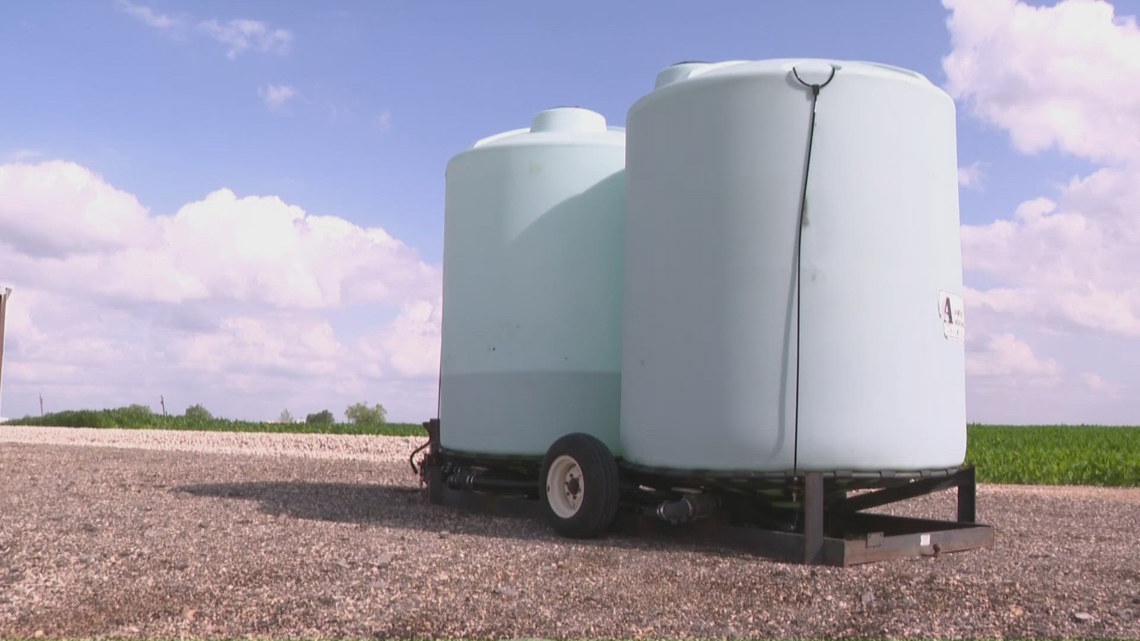
Fertilizer prices are rising as much as 40% for some nitrogen products, driven by Middle East conflict and disruption to the Strait of Hormuz, a key shipping route. Central Texas farmers say the spike is adding thousands of dollars in costs, with fertilizer spending averaging $100 to $150 per acre and fuel costs also climbing. The article points to margin pressure for farm operations and potential pass-through into higher grocery prices if input costs stay elevated.
The first-order loser here is obviously the farm economy, but the more important tradeable impact is margin squeeze migrating one step downstream. Fertilizer and diesel inflation will pressure acreage decisions and application intensity before it shows up in headline crop prices, which means input-cost inflation can persist for a full planting cycle even if spot fertilizer eases. That creates a lagged earnings risk for ag retailers, farm equipment dealers, and regional lenders with exposure to producer cash flows.
The second-order beneficiary set is more nuanced: upstream nitrogen producers and integrated fertilizer names get pricing power, but only if the supply disruption persists long enough to offset demand destruction. If farmers under-apply in the next 1-2 seasons, the volume hit can claw back a meaningful portion of price gains, so the cleanest long is on producers with low cost of feedstock and export optionality rather than pure domestic distributors. Energy-linked costs also matter: persistent higher diesel intensifies the pressure on farm budgets and raises the probability of delayed equipment replacement, which is negative for ag machinery orders.
The key catalyst is not the current crop cycle; it is whether there is a policy response that improves shipping/clearance flows or a de-escalation in the conflict that normalizes fertilizer logistics. If that happens, prices can mean-revert quickly because this is an inventory-and-transport shock, not just a structural supply shortfall. Conversely, if the disruption lasts into the next procurement window, fertilizer inflation becomes embedded in 2025 acreage economics and could force a broader revision lower in rural credit quality.
Contrarian view: the market may be overestimating how much of this cost shock can be passed through to food prices in the near term. For row crops, growers have limited ability to delay fertilization without yield penalties, but they can cut back acreage, shift crop mix, or defer capex, which makes the macro impact more recessionary for rural demand than inflationary for grocery shelves. That argues for looking past headline inflation and focusing on the underappreciated earnings risk in ag-adjacent cyclicals.
AI-powered research, real-time alerts, and portfolio analytics for institutional investors.
Request TrialOverall Sentiment
moderately negative
Sentiment Score
-0.45
Ticker Sentiment
