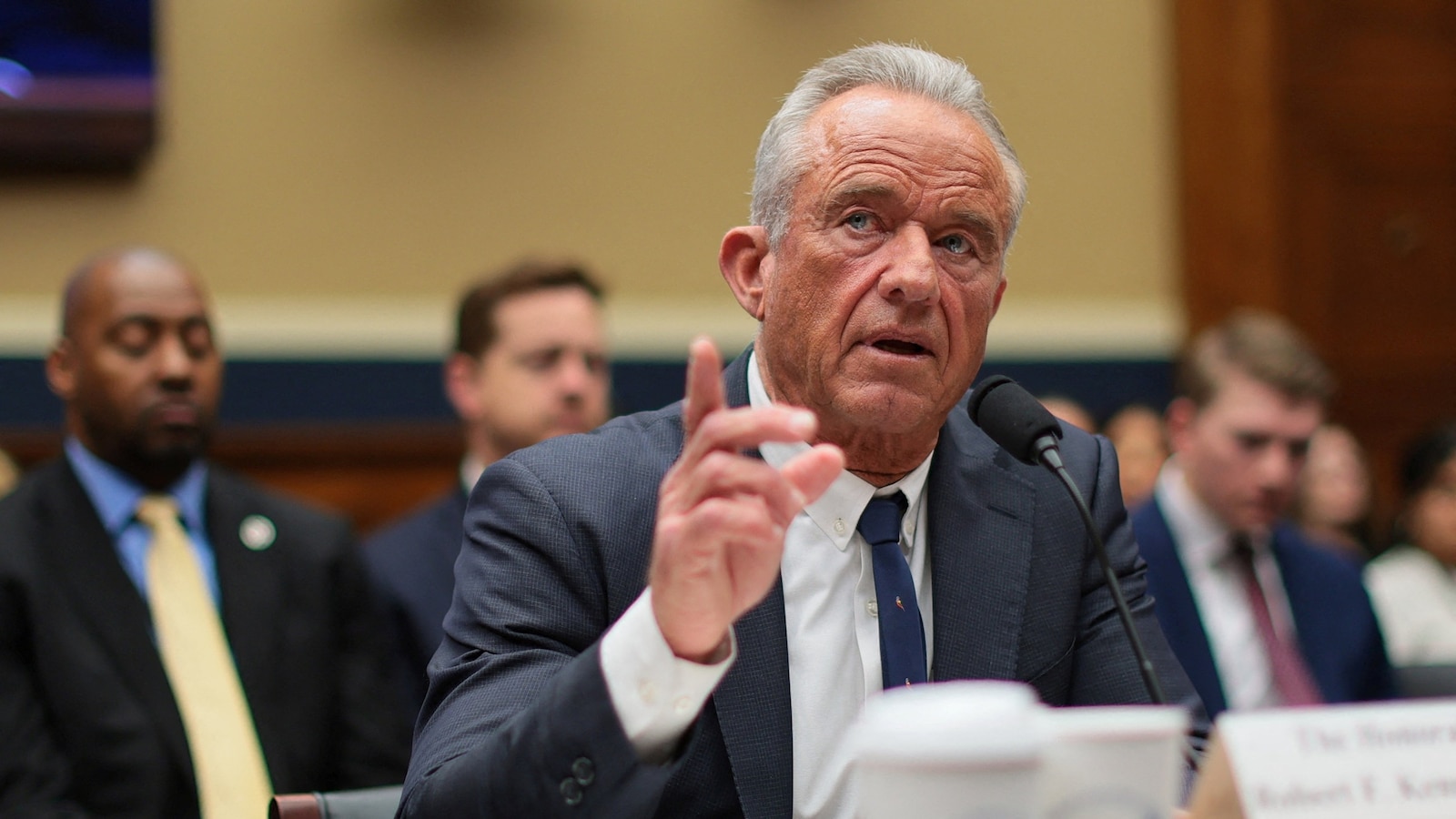
HHS Secretary Robert F. Kennedy Jr. said planned HHS cuts are "painful," including proposed reductions to NIH and AHA programs, amid a $35 trillion debt and a requested 12% cut across HHS. He also declined to commit to following vaccine guidance from the incoming CDC director nominee, adding policy uncertainty around vaccines and public health messaging. The hearing highlighted ongoing conflict over NIH funding, CDC leadership, and vaccine policy.
The market implication is less about today’s hearing and more about a slow-moving policy regime shift: NIH grant intensity and CDC vaccine credibility are both inputs into the long-duration earnings power of biotech, CROs, diagnostics, and vaccine manufacturers. Even if headline cuts are partially negotiated away, the signaling effect raises the discount rate on federal health spending, which tends to compress multiples first in pre-revenue biotech and later in tools/services as grant-funded pipelines get delayed. The second-order winner is likely large-cap life science tools and diversified pharma with internal R&D budgets; the losers are small/mid-cap biotech and academic-adjacent research vendors that depend on federal money flow.
The vaccine angle creates a more asymmetric set-up. The immediate downside is reputational and utilization pressure on pediatric and respiratory vaccine franchises if public confidence erodes further, but the larger risk is administrative: weaker CDC guidance can slow school and state adoption decisions, creating a lagged demand hit over 1-3 quarters rather than overnight. That makes this less a “headline trade” and more a winter-season volume risk, especially if flu/COVID uptake disappoints and payer inventory destocking follows.
Contrarian read: the consensus may be overestimating the durability of this rhetoric if the White House or budget process forces a more pragmatic posture. If messaging softens into midterms, the sector could re-rate quickly because the market is already primed for bad news, and the downside in large-cap biopharma is limited by defensive cash flows. The bigger mispriced risk is not total NIH cuts, but the chilling effect on grant approvals and hiring, which would hit supply chains and service providers with a 6-18 month lag.
AI-powered research, real-time alerts, and portfolio analytics for institutional investors.
Request TrialOverall Sentiment
mildly negative
Sentiment Score
-0.25
Ticker Sentiment
